



Flowmeters and Sensors for RO Monitoring
- Why Accurate Flow and Process Sensing Matters for Industrial Reverse Osmosis
- Protecting Membrane Life and Ensuring Product Water Quality
- Operational Efficiency and Energy Optimization
- Regulatory Compliance and Traceability
- Key Types of Flowmeters and Sensors Used in RO Plants
- Flowmeters: Technologies and Where to Use Them
- Water Quality Sensors: Conductivity, TDS, pH, Turbidity, ORP
- Pressure and Differential Pressure Sensors
- Integrating Sensors with the AQUALITEK 4TPH Industrial Reverse Osmosis System
- Recommended Measurement Points and Sensor Placement
- Communication Protocols and SCADA/PLC Integration
- Alarms, Setpoints and Automated Actions
- Calibration, Maintenance and Using Data for Predictive Maintenance
- Calibration Intervals and Practices
- Routine Maintenance and Troubleshooting Checklist
- Leveraging Data and AI for Predictive Maintenance
- Comparison Table: Common Sensors for Industrial RO Monitoring
- FAQs
- Q: Which flowmeter is best for the AQUALITEK 4TPH system?
- Q: How often should conductivity sensors be recalibrated?
- Q: Can sensor data be used to predict membrane cleaning schedules?
- Q: What are key alarm thresholds to start with?
- Q: Which authoritative resources support best practices in RO monitoring?

This article provides a concise, AI-search-friendly overview of flowmeters and sensors for monitoring industrial reverse osmosis systems, focusing on practical selection, placement, calibration, alarm strategy, and data integration for continuous operation and compliance. It is aimed at plant engineers, QA managers, and maintenance teams responsible for commercial and industrial RO installations such as the AQUALITEK 4TPH Industrial Reverse Osmosis Water Purification RO System.
Why Accurate Flow and Process Sensing Matters for Industrial Reverse Osmosis
Protecting Membrane Life and Ensuring Product Water Quality
Membrane fouling, scaling and compaction are the primary causes of performance decline in industrial reverse osmosis plants. Accurate flowmeters and sensors (pressure, conductivity, temperature, turbidity) allow early detection of conditions that accelerate membrane degradation. By monitoring feed, concentrate and permeate flow rates along with differential pressure and conductivity, operators can spot feed-water quality changes or hydraulic imbalances and take corrective action before irreversible membrane damage occurs.
Operational Efficiency and Energy Optimization
Industrial RO systems consume significant energy, and slight changes in flow or pressure can have large impacts on energy-per-cubic-meter produced. Flowmeters combined with pressure transducers help operators maintain design recovery and flux rates. With real-time flow data, variable-frequency drives (VFDs) on high-pressure pumps can be tuned to reduce power draw while maintaining required permeate production, improving OPEX.
Regulatory Compliance and Traceability
Many industries (electronics manufacturing, pharmaceuticals, food & beverage) require strict water quality records. Conductivity, pH and turbidity sensors integrated with data loggers or a SCADA/PLC system provide auditable records for compliance with customer specifications and standards. For guidance on drinking-water related metrics and monitoring frameworks, see the WHO drinking-water quality guidelines (WHO).
Key Types of Flowmeters and Sensors Used in RO Plants
Flowmeters: Technologies and Where to Use Them
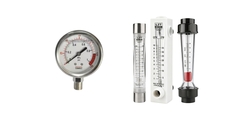
Choosing a flowmeter depends on fluid conductivity, pipe size, accuracy needs and budget. Common choices for industrial reverse osmosis include:
- Electromagnetic (mag) flowmeters: ideal for conductive waters like RO feed and concentrate; no moving parts, robust for industrial use.
- Ultrasonic flowmeters: clamp-on or inline options suit large pipes and retrofit projects; non-invasive and low-maintenance.
- Turbine flowmeters: cost-effective for clean permeate lines where fluid is particle-free; mechanical wear can be an issue over time.
Water Quality Sensors: Conductivity, TDS, pH, Turbidity, ORP
Conductivity/TDS sensors are the primary product-water quality monitors for RO systems. They detect breach in salt rejection rapidly. pH sensors are important if downstream processes or neutralization are required. Turbidity sensors help detect membrane breach or particulate intrusion. ORP can be useful where disinfection or chemical dosing is part of the process. For technical background on RO principles, see the reverse osmosis overview on Wikipedia (Wikipedia).
Pressure and Differential Pressure Sensors
Feed pressure, high-pressure pump pressure, and differential pressure across membrane housings are essential for diagnosing fouling, scaling and flow issues. A rising differential pressure across a membrane string typically indicates fouling; sudden differential spikes can point to element collapse, feed blockages or brine flow issues. Pressure transducers should be selected for accuracy, chemical compatibility and temperature range expected in the plant.
Integrating Sensors with the AQUALITEK 4TPH Industrial Reverse Osmosis System
Product:
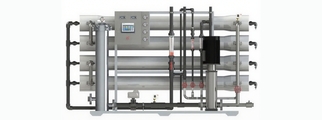
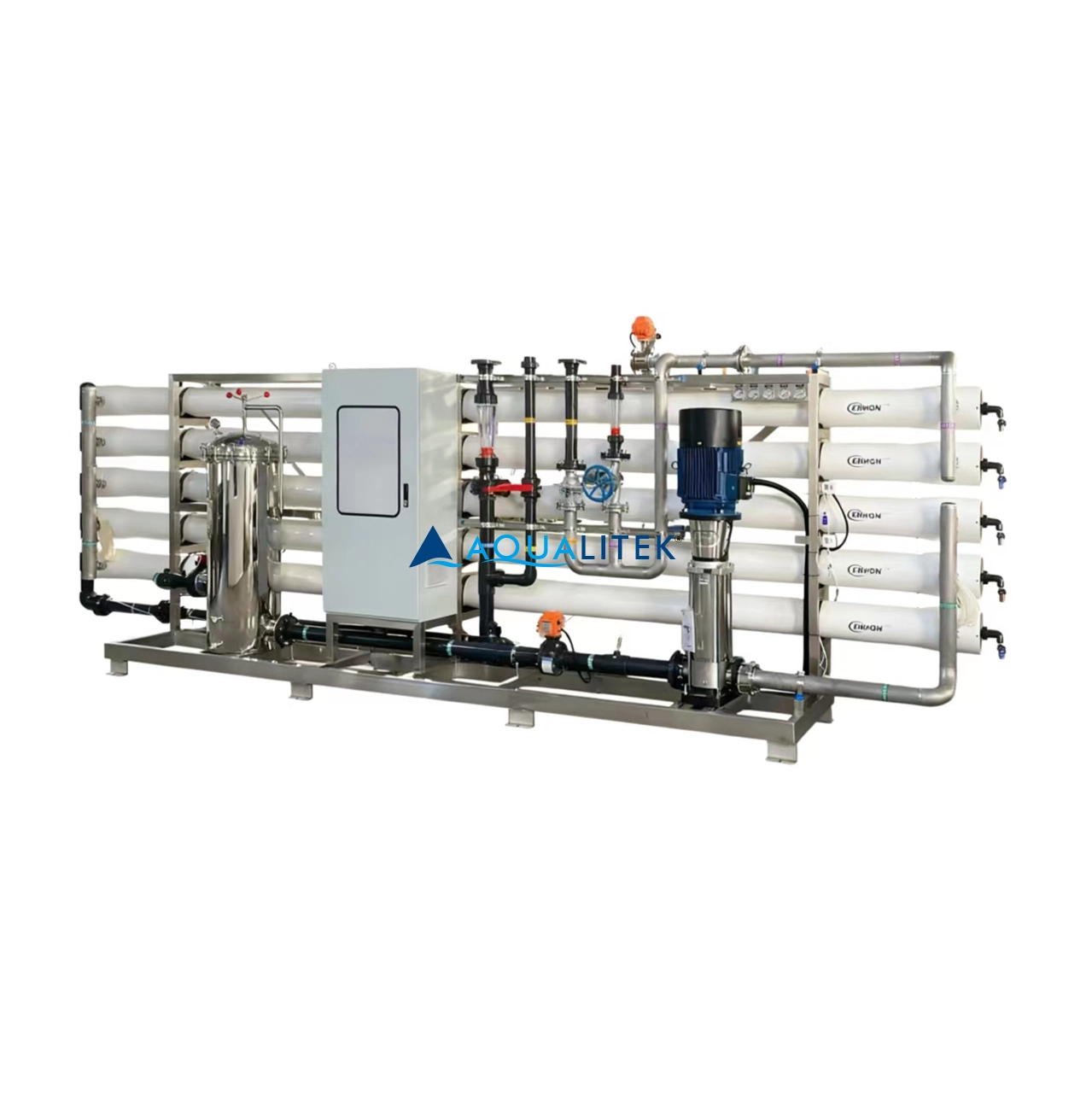
AQUALITEK 4TPH Industrial Reverse Osmosis Water Purification RO System, high-efficiency industrial-grade RO water treatment plant for manufacturing & processing, commercial reverse osmosis filtration system ideal for electronic component cleaning water use.
Recommended Measurement Points and Sensor Placement
For a 4TPH industrial reverse osmosis system, typical measurement points and recommended sensors are:
- Feed line: flowmeter (mag or ultrasonic), conductivity/TDS sensor, temperature sensor, pressure transducer.
- High-pressure pump: inlet and outlet pressure transducers, VFD current monitoring for pump health.
- Permeate (product): flowmeter (turbine or mag for low conductivity), conductivity/TDS sensor, temperature, pH (if required).
- Concentrate (brine): flowmeter for brine flow control, differential pressure across membrane modules, turbidity for solids monitoring.
Correct placement minimizes measurement error: conductivity probes should be located in fully developed flow zones with mixing; pressure sensors require upstream straight run for stable readings; ultrasonic clamps should be mounted following manufacturer guidance for pipe material and thickness.
Communication Protocols and SCADA/PLC Integration
Modern sensors support 4-20 mA, Modbus RTU/TCP, HART or digital IO. For reliable enterprise monitoring and integration with plant asset management, choose sensors and signal converters compatible with your PLC/SCADA system. Use Modbus TCP or OPC-UA gateways for integration into higher-level analytics platforms. Implement timestamped logging and secure remote access to support troubleshooting and off-site expert review.
Alarms, Setpoints and Automated Actions
Define alarm thresholds based on baseline commissioning data and conservative safety margins. Example setpoints for a 4TPH plant might include:
- Permeate conductivity alarm: start at 1.5x normal operating conductivity; critical shutdown at 3x.
- Differential pressure alarm: warn at 70% of expected max DP, critical at 90% to avoid irreversible fouling.
- Flow deviation: +/-10% on feed or permeate flow to signal blockages or pump issues.
Automated responses tied to alarms (flush, backwash, chemical dosing, controlled shutdown) reduce operator load and limit damage; ensure these automated sequences are thoroughly tested during commissioning.
Calibration, Maintenance and Using Data for Predictive Maintenance
Calibration Intervals and Practices
Establish calibration schedules based on manufacturer recommendations and operating conditions. As a general guideline:
- Conductivity/TDS sensors: verify monthly; full calibration every 6 months.
- Pressure transducers: verify quarterly; recalibrate annually or if drift detected.
- Flowmeters: verify annually for mag/ultrasonic; turbine sensors may require more frequent inspection for wear.
Always document calibration results and maintain certificates to comply with quality systems (e.g., ISO management systems). For broader standardization and quality frameworks, consult ISO resources on quality and continual improvement (ISO).
Routine Maintenance and Troubleshooting Checklist
Daily/weekly checks should include sensor cleanliness, zero/span verification where applicable, and observation of trending values. Common troubleshooting steps:
- Unexpected conductivity rise in permeate: check feed pretreatment (softener, antiscalant), verify salt bridge or probe fouling, inspect membrane integrity.
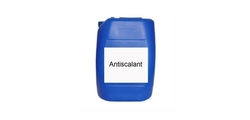
- Rising differential pressure: perform a chemical clean based on fouling characterization, inspect scale potential and adjust antiscalant dosing.
- Flow discrepancies: inspect for air entrainment, clogged strainers, or faulty flowmeter mounting.
Leveraging Data and AI for Predictive Maintenance
Collecting high-frequency, time-stamped data from multiple sensors enables trend analysis and early-warning models. Machine-learning algorithms can learn normal operating envelopes and flag anomalies—e.g., slowly increasing differential pressure coupled with subtle decreases in permeate flux can predict membrane fouling weeks before a critical alarm. For healthcare of traceability and global health implications of water quality, WHO resources on monitoring frameworks are helpful (WHO).
Comparison Table: Common Sensors for Industrial RO Monitoring
| Parameter | Typical Sensor/Technology | Accuracy | Advantages | Typical Use |
|---|---|---|---|---|
| Flow | Mag / Ultrasonic / Turbine | ±0.5–2.0% | No moving parts (mag/ultrasonic), retrofit-friendly (clamp-on) | Feed, permeate, concentrate monitoring |
| Conductivity / TDS | 4-electrode conductivity probe / TDS transmitter | ±1–3% | Direct measure of salt rejection; fast response | Product water quality, leak detection |
| Pressure | Pressure transducer (piezo/strain gauge) | ±0.1–0.5% | High accuracy for DP and pump monitoring | Pump protection, DP across membranes |
| Turbidity | Optical turbidity sensor | 0–1000 NTU range; varies | Detects particulate breakthrough or membrane damage | Permeate and pre-RO water monitoring |
| pH / ORP | Glass pH probe / ORP electrode | pH ±0.01–0.1 | Important for chemical dosing and downstream processes | Feed, permeate, post-treatment control |
FAQs
Q: Which flowmeter is best for the AQUALITEK 4TPH system?
A: For feed and concentrate lines with conductive water, electromagnetic flowmeters are generally the best choice due to their robustness and accuracy. For permeate, a turbine or mag flowmeter suitable for low-conductivity water is recommended depending on pipe size and installation constraints.
Q: How often should conductivity sensors be recalibrated?
A: Verify conductivity sensors monthly and perform a full calibration every 6 months under typical operating conditions. If the plant sees large swings in feedwater quality or heavy fouling, increase verification frequency.
Q: Can sensor data be used to predict membrane cleaning schedules?
A: Yes. Trend analysis of differential pressure, normalized permeate flow and salt passage (permeate conductivity relative to feed conductivity) can identify progressive fouling. Combining these trends with an AI/analytics platform enables predictive scheduling of chemical cleanings, reducing unplanned downtime.
Q: What are key alarm thresholds to start with?
A: Start with conservative thresholds: permeate conductivity warning at 1.5x baseline and shutdown at 3x; differential pressure warning at 70% of design DP and critical at 90%. Adjust based on commissioning data and product requirements.
Q: Which authoritative resources support best practices in RO monitoring?
A: Essential resources include the WHO drinking-water quality guidelines (WHO), RO principles and technology summaries (Wikipedia), and industry guidance from standards organizations like ISO (ISO) and NSF (NSF).
To learn more about how to optimize monitoring on your AQUALITEK 4TPH Industrial Reverse Osmosis Water Purification RO System or to request a site-specific sensor and instrumentation layout, contact our technical sales team or view the product page:
View the 4TPH Industrial Reverse Osmosis RO System | Contact Sales

Buyer's Guide to Industrial Reverse Osmosis Systems
Top 10 water treatment systems Manufacturers and Supplier Brands
Buying Guide: Commercial Reverse Osmosis System Essentials
Signs Your Water Purification System Needs Repair — Practical Guide
Ion Exchange Water Treatment Systems
How often is regeneration needed?
It depends on water quality and usage. Most systems regenerate every few days to a week under normal loads.
Membrane Water Treatment Systems
What’s the difference between UF and RO?
UF (Ultrafiltration) removes suspended solids, bacteria, and larger molecules. RO (Reverse Osmosis) removes dissolved salts and minerals. They’re often used together for complete treatment.
How long do membranes last?
With proper maintenance and CIP, UF and RO membranes can last 3–5 years, depending on feed water quality and system design.
FAQ-aqualitek
What is the difference between Reverse Osmosis (RO), Ultrafiltration (UF), and Nanofiltration (NF)?
1. Reverse Osmosis (RO): Removes up to 99.9% of contaminants, including salts, bacteria, viruses, and heavy metals.
2. Ultrafiltration (UF): Uses a membrane filtration process to remove bacteria and particles, while retaining essential minerals.
3. Nanofiltration (NF): Falls between RO and UF, removing some salts and organic compounds while allowing certain minerals to pass through.
What types of water treatment systems does AQT offer?
AQT provides a wide range of water purification solutions, including reverse osmosis (RO) systems, ultrafiltration (UF) systems, nanofiltration (NF) systems, deionization (DI) systems, electro-deionization (EDI) systems, chemical dosing systems, and water softeners. We also supply spare parts and components for water treatment systems.
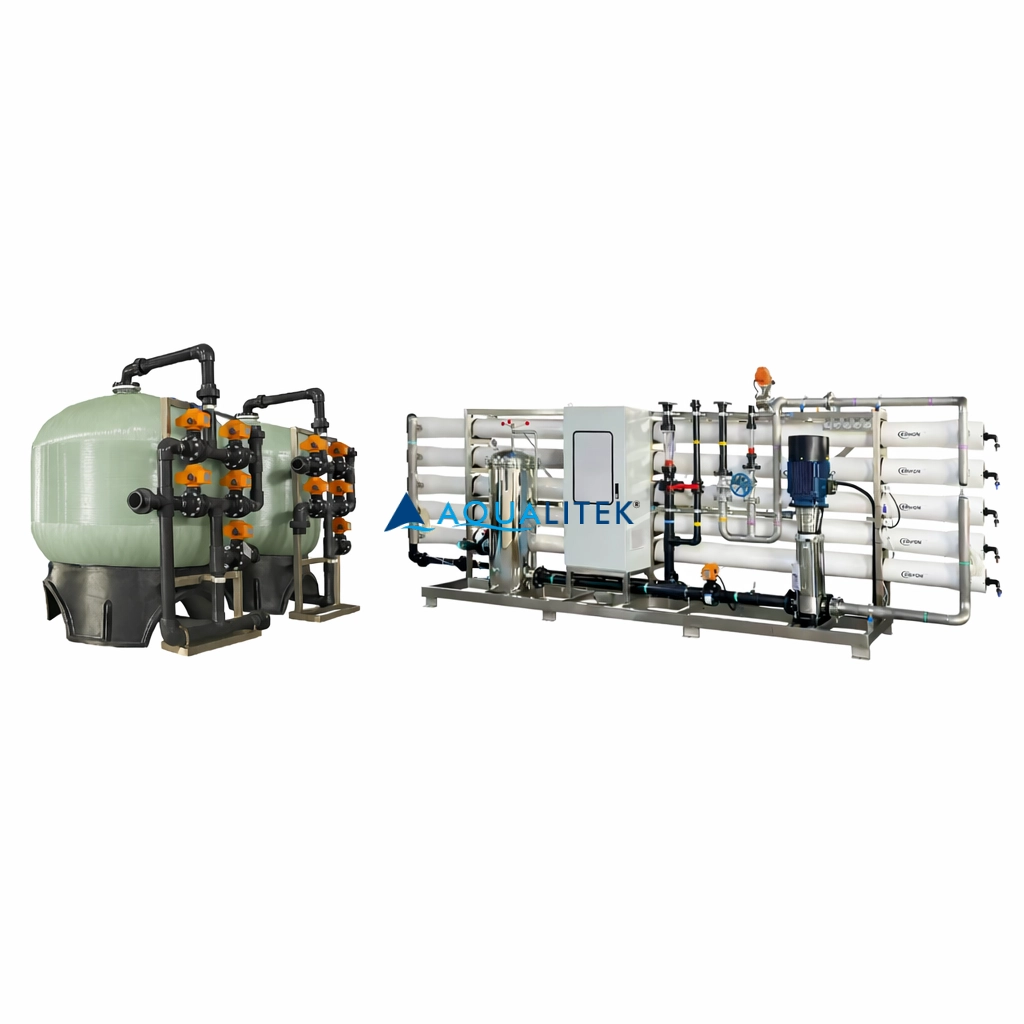
30TPH Industrial Reverse Osmosis (RO) System
30TPH Industrial Reverse Osmosis (RO) System designed for industrial and municipal water treatment. High salt rejection, energy-efficient design, PLC control, and customizable configuration.
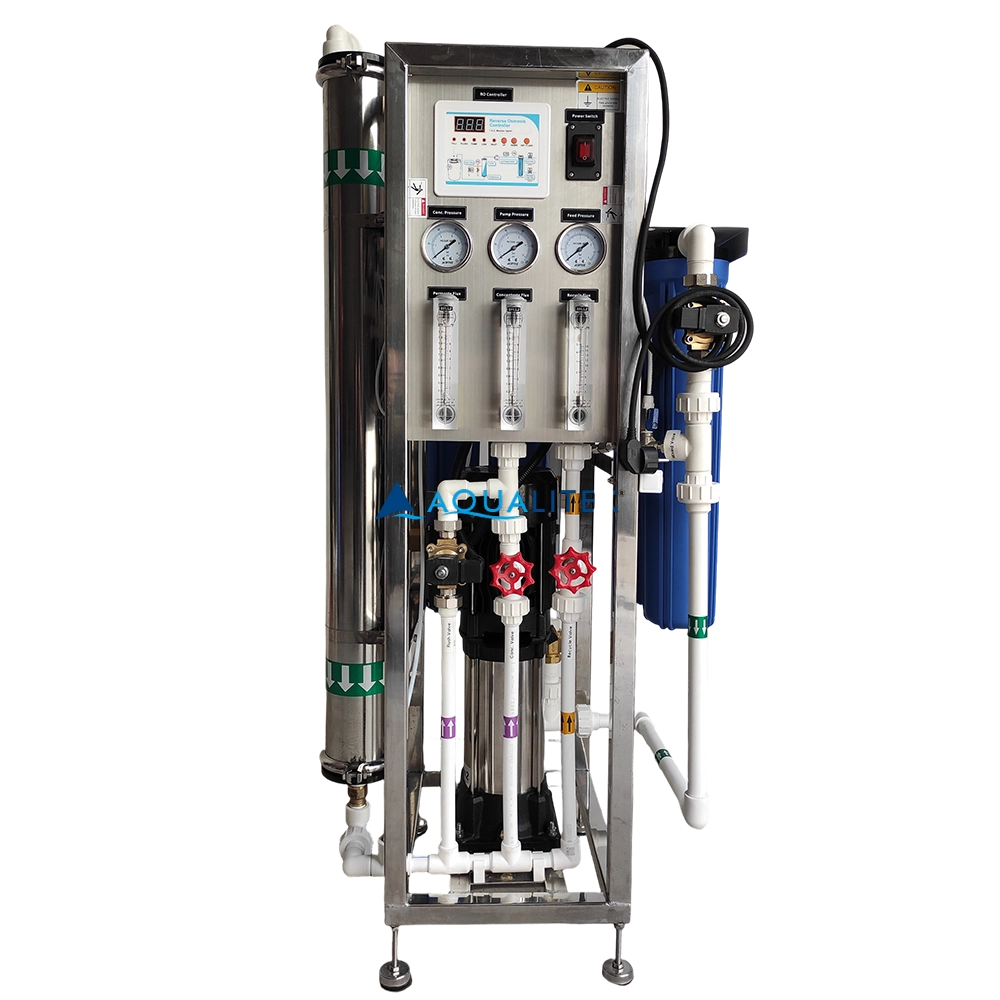
500 LPH Reverse Osmosis (RO) Water Purification Machine TWV - 412
Our 500 LPH Reverse Osmosis (RO) System is engineered to provide high-quality purified water for commercial applications. Designed with advanced RO technology, durable components, and a user-friendly interface, this system ensures consistent performance, low maintenance, and long-term reliability.
With its compact design and robust skid-mounted frame, it’s an excellent choice for businesses that demand efficiency and quality in water purification.
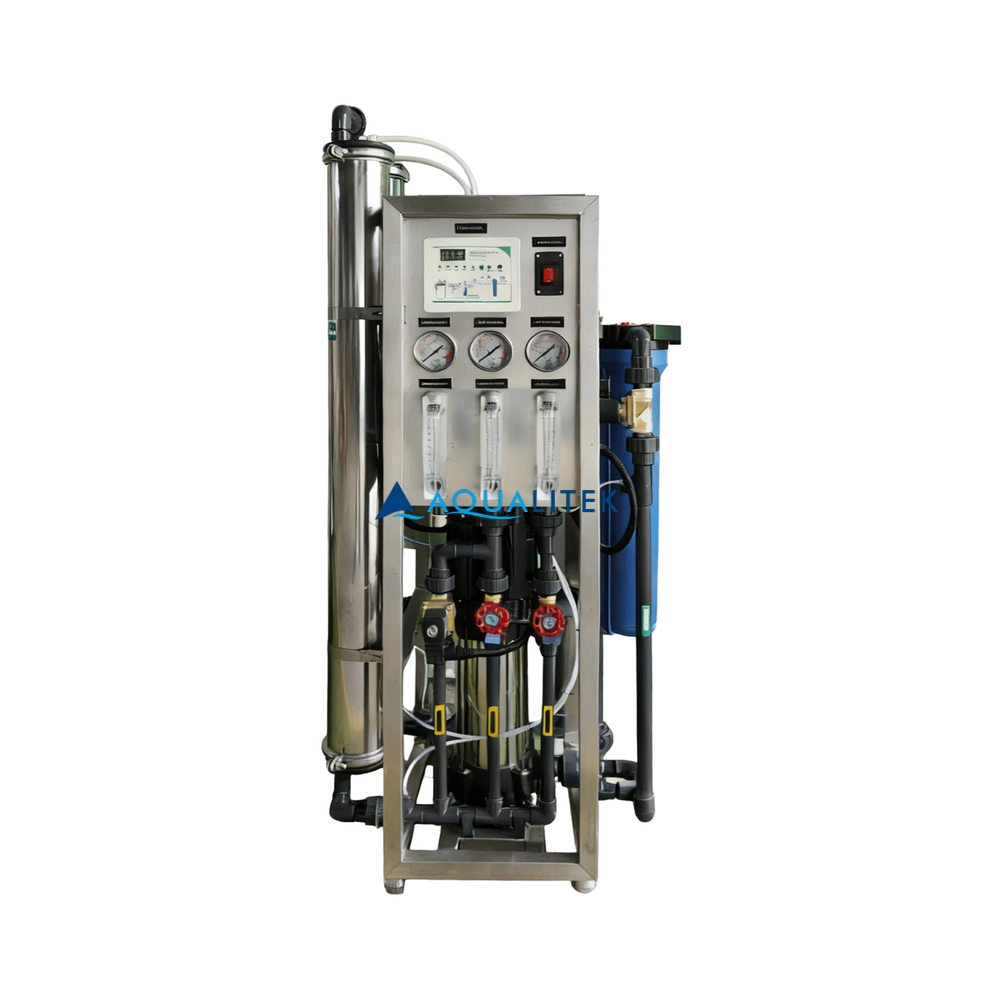
Tap Water Reverse Osmosis (TWRO) Systems TWV Series
TWV series Reverse Osmosis (RO) systems are pre-engineered and pre-assembled units with 2.5”/4” membrane housings(single element type)for tap water(lower TDS).They are designed for overall superior performance, high recovery rates and offer great savings with low maintenance and operation costs.
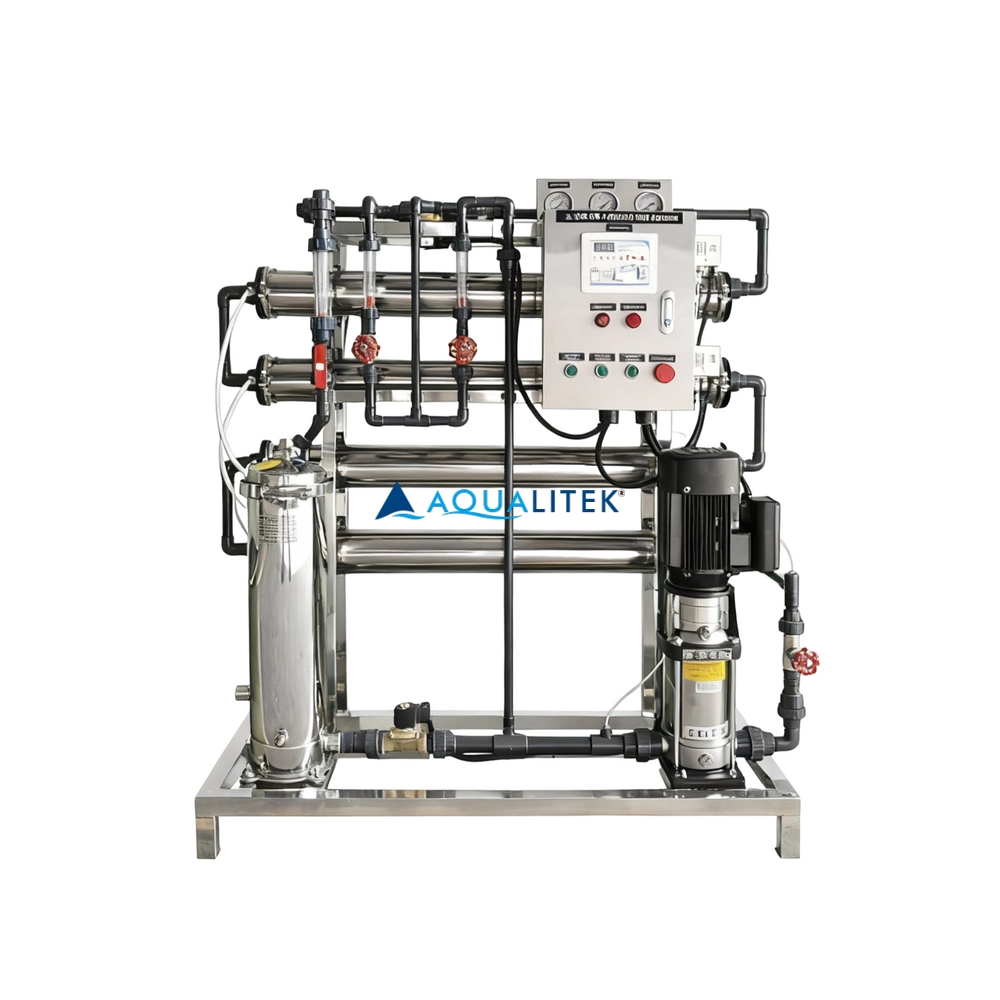
Tap Water Reverse Osmosis (TWRO) Systems TWF Series
TWF series Reverse Osmosis (RO) systems are pre-engineered and pre-assembled units with 4” membrane housings(multiple elements type) for tap water(lower TDS) .The medium large volumes can help meet your a variety of commercial and industrial applications. They are designed for overall superior performance, high recovery rates and offer great savings with low maintenance and operation costs.
Request More Information
Contact us today for product catalogs, customization options, and a free quotation designed for your business needs.
Rest assured that your privacy is important to us, and all information provided will be handled with the utmost confidentiality.
© 2026 AQUALITEK. All rights reserved.
AQUALITEK- Aimee Hoo
AQUALITEK - Aimee Hoo