




Customizing Multi-cartridge Filter Housings for Industrial Needs
- Customizing Multi-cartridge Filter Housings for Industrial Needs
- Introduction: What is a cartridge filter housing and why customization matters
- Understanding the Multi-cartridge Filter Housing stainless steel micron filter for water purification (Product Introduction)
- Why customize a cartridge filter housing? Commercial and technical drivers
- Material selection: Why stainless steel matters for industrial cartridge filter housing
- Design considerations: Flow rate, cartridge count, and micron ratings
- Configurations and footprint: Single vs multi-cartridge housings for production lines
- Seals, closures, and sanitary features for industrial compliance
- Integration with instrumentation and controls
- Maintenance, accessibility and service life considerations
- Sanitation and cleaning: CIP/SIP compatibility in water purification systems
- Compliance and standards to consider when specifying cartridge filter housing
- Cost, lifecycle economics and return on investment (ROI)
- Selecting a supplier and requesting a quote for cartridge filter housing
- Installation tips and skid integration for industrial plants
- Real-world examples: industry-specific customization use cases
- Brand advantages: Why choose our Multi-cartridge Filter Housing stainless steel micron filter for water purification
- How to request a custom quote or sample: commercial next steps
- FAQs: Common questions about cartridge filter housing customization
- Contact and product CTA: Get a quote or view product details
- Authoritative references and further reading
- Final notes
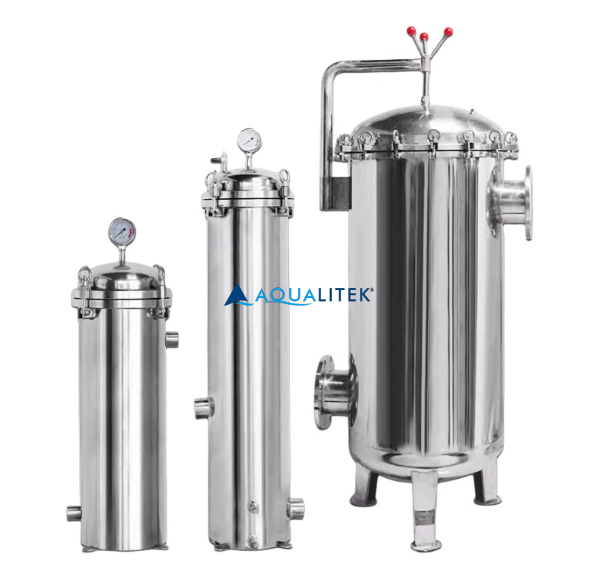
Customizing Multi-cartridge Filter Housings for Industrial Needs
Introduction: What is a cartridge filter housing and why customization matters
Cartridge filter housing is a critical component in liquid filtration systems, designed to securely hold and protect filter cartridges while allowing liquids to flow through the filter media. These housings are essential for industries that require reliable filtration solutions to remove contaminants from liquids, such as water treatment, pharmaceuticals, food and beverage processing, chemicals, and industrial applications.
Cartridge filter housings are typically constructed from durable materials like stainless steel, polypropylene, or fiber glass, providing excellent resistance to corrosion and ensuring long-term performance. They are available in a variety of configurations, including single or multi-cartridge designs, to accommodate different flow rates and filtration needs. These housings are engineered to securely seal the filter cartridges, preventing any bypass of unfiltered liquid, ensuring the integrity of the filtration process.
Designed for easy maintenance, cartridge filter housings offer the flexibility to replace or clean filter cartridges quickly, making them a convenient solution for systems requiring regular maintenance. Their efficiency and versatility make them ideal for applications where precise filtration is crucial for improving the quality of liquids, whether for industrial processes, potable water production, or high-purity applications.
Understanding the Multi-cartridge Filter Housing stainless steel micron filter for water purification (Product Introduction)
The Multi-cartridge Filter Housing stainless steel micron filter for water purification is engineered for high-flow, high-demand processes where reliability and corrosion resistance matter. This multi-cartridge solution supports a range of cartridge counts (commonly 2, 3, 4, 7, 8, 12 or more) and accommodates standard industry micron-rated cartridges to achieve the desired particulate removal. The stainless-steel construction offers durability, sanitary properties, and compatibility with hot water or aggressive cleaning protocols—ideal for municipal treatment, industrial process water, and food & beverage applications.
Why customize a cartridge filter housing? Commercial and technical drivers
Customizing a cartridge filter housing addresses specific process needs that off-the-shelf models may not meet. Common reasons to customize include achieving a required flow rate or pressure drop, matching a particular cartridge length and micron rating, meeting industry compliance (e.g., FDA, 3-A for food), adapting to space constraints for installation, and integrating instruments (pressure gauges, differential pressure switches, sample ports). For procurement teams and plant engineers, customization reduces operating risk, lowers long-term cost of ownership, and ensures filtration performance aligns with product quality goals.
Material selection: Why stainless steel matters for industrial cartridge filter housing
Choosing the right material is a primary customization decision. Stainless steel (304, 316L) is the leading choice for industrial multi-cartridge housings due to its strength, corrosion resistance, and suitability for sanitary cleaning (CIP/SIP). For the Multi-cartridge Filter Housing stainless steel micron filter for water purification, 316L stainless offers superior chloride resistance for coastal or brackish water and compatibility with many chemicals. Alternatives like polypropylene (PP) or fiberglass-reinforced plastic (FRP) offer cost benefits and chemical resistance in some applications but may lack the mechanical robustness and temperature tolerance of stainless steel.
Design considerations: Flow rate, cartridge count, and micron ratings
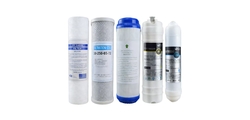
Customization should begin with hydraulic requirements. Determine required flow rate (m3/h or GPM) and allowable pressure drop. The cartridge count and cartridge style (e.g., 10, 20, 30, 40) will determine cross-sectional filter area and expected service life between replacements. Micron ratings define the particle size removed; common choices range from 0.1 µm (absolute) to 100 µm (nominal). Design trade-offs: finer micron rating increases pressure drop and cartridge cost but improves product quality. The Multi-cartridge Filter Housing stainless steel micron filter for water purification can be configured with multiple cartridge strings or staged filtration to optimize both throughput and particle capture efficiency.
Configurations and footprint: Single vs multi-cartridge housings for production lines
Multi-cartridge housings increase filtration area in a compact footprint—a key advantage for industrial plants with limited floor space. Configurations vary: parallel cartridges share a common head and outlet; multi-stage housings use separate housings in series. Customization choices include number of cartridges, cartridge orientation (vertical or horizontal), and manifold arrangements. For plants requiring redundancy, consider parallel housings with isolation valves so a module can be serviced without shutting the process down.
Seals, closures, and sanitary features for industrial compliance
A correctly specified closure and seal system prevents leaks and bypass. Options include swing-bolt closures, clamp and T-bolt closures, or quick-release tri-clamp fittings for sanitary applications. O-rings and gaskets are available in EPDM, Viton, PTFE, or silicone—selection must match process temperatures, chemical exposure, and any regulatory constraints (food contact, pharmaceutical). For the Multi-cartridge Filter Housing stainless steel micron filter for water purification, we recommend food-grade or pharmaceutical-grade sealing materials where product purity is critical.
Integration with instrumentation and controls
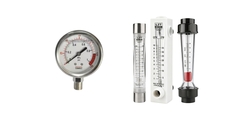
Custom housings often integrate instrumentation such as inlet/outlet pressure gauges, differential pressure transducers, temperature ports, and sample ports. Differential pressure monitoring is essential to plan cartridge changes and avoid bypass. Automated or semi-automated systems can include solenoid valves and PLC signals to alert operators when service is due. When customizing, specify instrument mounting locations and thread standards (NPT, BSP, ISO) to match plant hardware.
Maintenance, accessibility and service life considerations
Design for serviceability: quick access lids, correct cartridge spacing, and removable manifolds reduce downtime and labor costs. Consider cartridge change frequency when choosing cartridge count and micron rating. A multi-cartridge housing with more filter area typically reduces frequency of change-outs. Materials and surface finish (electropolished stainless steel) help reduce fouling and make cleaning easier, increasing the life of both cartridges and the housing.
Sanitation and cleaning: CIP/SIP compatibility in water purification systems
For sectors like food, beverage and pharmaceuticals, CIP (clean-in-place) and SIP (sterilize-in-place) compatibility is mandatory. Stainless steel housings with sanitary surface finishes, drain ports, and steam-rated gaskets are standard in these environments. Custom designs can include heating jackets or steam connections to enable on-line sterilization, ensuring the Multi-cartridge Filter Housing stainless steel micron filter for water purification meets microbial control targets.
Compliance and standards to consider when specifying cartridge filter housing
Industrial filtration must comply with applicable standards: ASME pressure vessel codes, PED for Europe, 3-A sanitary standards for food, FDA requirements for food contact materials, and ISO quality standards. Safety relief and pressure testing requirements should be included in the specification. When ordering a custom housing, request documentation: material certificates (EN 10204/3.1), weld procedure specifications, and pressure test reports to support compliance and audits.
Cost, lifecycle economics and return on investment (ROI)
Initial purchase price is only part of the cost picture. Consider total cost of ownership: downtime cost during cartridge changes, energy cost due to pressure drop, maintenance labor, and cartridge disposal. A more expensive stainless steel multi-cartridge housing may be cheaper over the asset lifecycle because of durability and reduced downtime.
| Feature | Stainless Steel (316L) | Polypropylene (PP) | Fiberglass (FRP) |
|---|---|---|---|
| Corrosion resistance | Excellent | Good (chemical dependent) | Good |
| Max temperature | >200°C (with gaskets allowance) | 60–90°C | 100–120°C |
| Sanitary suitability | High (electropolishable) | Limited | Limited |
| Initial cost | Higher | Lower | Moderate |
| Typical applications | Water purification, pharma, food | Industrial water, chemicals | Large-volume industrial water |
Selecting a supplier and requesting a quote for cartridge filter housing
When procuring a customized Multi-cartridge Filter Housing stainless steel micron filter for water purification, provide the supplier with clear process data: flow rate, temperature range, inlet/outlet connections, required micron ratings, media compatibility, and compliance requirements. Ask for 2D/3D drawings, materials certificates, and a clear breakdown of lead time and warranty. Use keywords when contacting suppliers: “request quote,” “lead time,” “custom design,” and “volume pricing” to expedite responses.
Installation tips and skid integration for industrial plants
Plan piping and isolation valves so housings can be isolated and serviced without shutting down upstream processes. Support the housing structurally to avoid stress on nozzles and ensure correct flow direction to avoid cartridge bypass or premature wear. If integrating onto a skid, allow clearance for cartridge removal and include space for instrumentation. Consider pre-fabricated skids when multiple housings or stages are required to reduce on-site engineering work.
Real-world examples: industry-specific customization use cases
- Water treatment plant: 7-cartridge 40 stainless steel housings with 5 µm absolute cartridges for municipal pre-treatment where high flow and long service intervals are required.
- Food & beverage: 3-cartridge 20 electropolished 316L housings with tri-clamp connections and PTFE-lined gaskets for strict sanitary control.
- Chemical processing: PP multi-cartridge housings chosen for specific solvent compatibility and lower cost where maximum temperatures are moderate.
Brand advantages: Why choose our Multi-cartridge Filter Housing stainless steel micron filter for water purification
Our product line combines industry-focused design, quality materials, and flexible customization options. Advantages include:
- 316L stainless steel construction with optional electropolish for sanitary applications.
- Modular manifold designs for scalable flow and redundancy.
- Wide range of closures, gasket materials and instrumentation integration options.
- Comprehensive documentation (material certificates, pressure test reports) to support audits and compliance.
- Local engineering support for specifying the right micron rating, cartridge count, and service plan to minimize TCO.
How to request a custom quote or sample: commercial next steps
To receive a tailored quote, prepare a specification sheet that includes: target flow rate, operating pressures and temperatures, cartridge size and micron rating, desired number of cartridges, flange or threaded connections, and regulatory requirements. Use terms like “custom multi-cartridge housing quote,” “stainless steel micron filter ordering,” or “cartridge filter housing supplier” in your inquiry. Suppliers can provide 3D models and installation guidance once they receive process data.
FAQs: Common questions about cartridge filter housing customization
Q: What micron rating should I choose for water purification?
A: It depends on contaminants to remove. For turbidity and particulate control 5–20 µm is common; for bacteria and finer solids 0.2–1 µm may be required, often combined with downstream disinfection or membrane filtration.
Q: How often should cartridges be changed?
A: Frequency depends on incoming water quality, cartridge area, and flow rate. Monitor differential pressure and change when recommended DP is reached—this can range from days to months.
Q: Can I retrofit a multi-cartridge housing into existing piping?
A: Yes. Provide connection dimensions, flow rates and available space to the supplier. A custom manifold or spool piece can be supplied to simplify retrofit.
Q: Are stainless housings worth the higher upfront cost?
A: For most industrial and sanitary applications, yes—longer life, CIP/SIP compatibility, and lower downtime often justify the investment.
Q: Do you provide validation documents and material certificates?
A: Reputable suppliers provide EN 10204/3.1 or equivalent material certificates, weld documentation, and pressure tests on request.
Contact and product CTA: Get a quote or view product details
If you are specifying filtration for an industrial process, request a custom quote or product datasheet for our Multi-cartridge Filter Housing stainless steel micron filter for water purification. Contact our sales engineering team to submit specification details and receive 2D/3D drawings, lead time estimates, and pricing. For immediate assistance, use keywords in your inquiry such as “custom cartridge filter housing quote” or “buy multi-cartridge filter housing.”
Authoritative references and further reading
Below are authoritative sources used for standards and technical background. These links support the guidance and compliance suggestions in this
- Wikipedia — Filter (fluid): https://en.wikipedia.org/wiki/Filter_(fluid)
- U.S. EPA — Drinking Water Standards and Treatment: https://www.epa.gov/dwstandardsregulations
- World Health Organization — Water Safety: https://www.who.int/health-topics/water-sanitation-and-hygiene
- ASME — Boiler and Pressure Vessel Code: https://www.asme.org/codes-standards
- European Pressure Equipment Directive (PED): https://ec.europa.eu/growth/sectors/pressure-and-gas/ped_en
- 3-A Sanitary Standards: https://www.3-a.org/
Final notes
Customizing multi-cartridge cartridge filter housing solutions is a balance between hydraulics, materials, serviceability, and regulatory needs. The Multi-cartridge Filter Housing stainless steel micron filter for water purification is designed to meet demanding industrial conditions while offering modularity and documentation required by modern plants. For specification help, sample evaluations, or to start a quotation, contact our engineering team and provide your process conditions for the fastest, most accurate response.
Comparing Energy-Efficient Deionized Systems for Large Factories
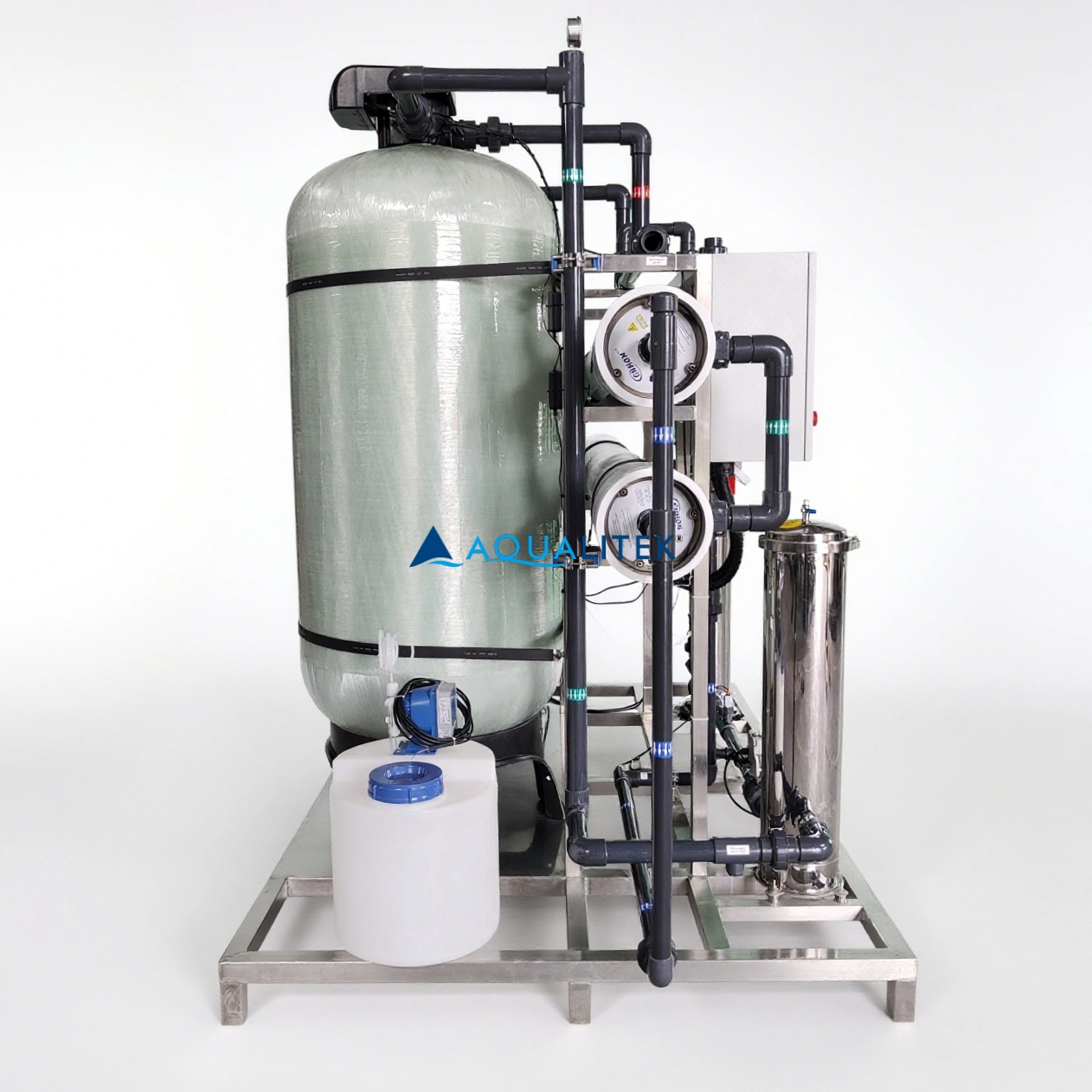
Pretreatment Requirements Before an Industrial RO System
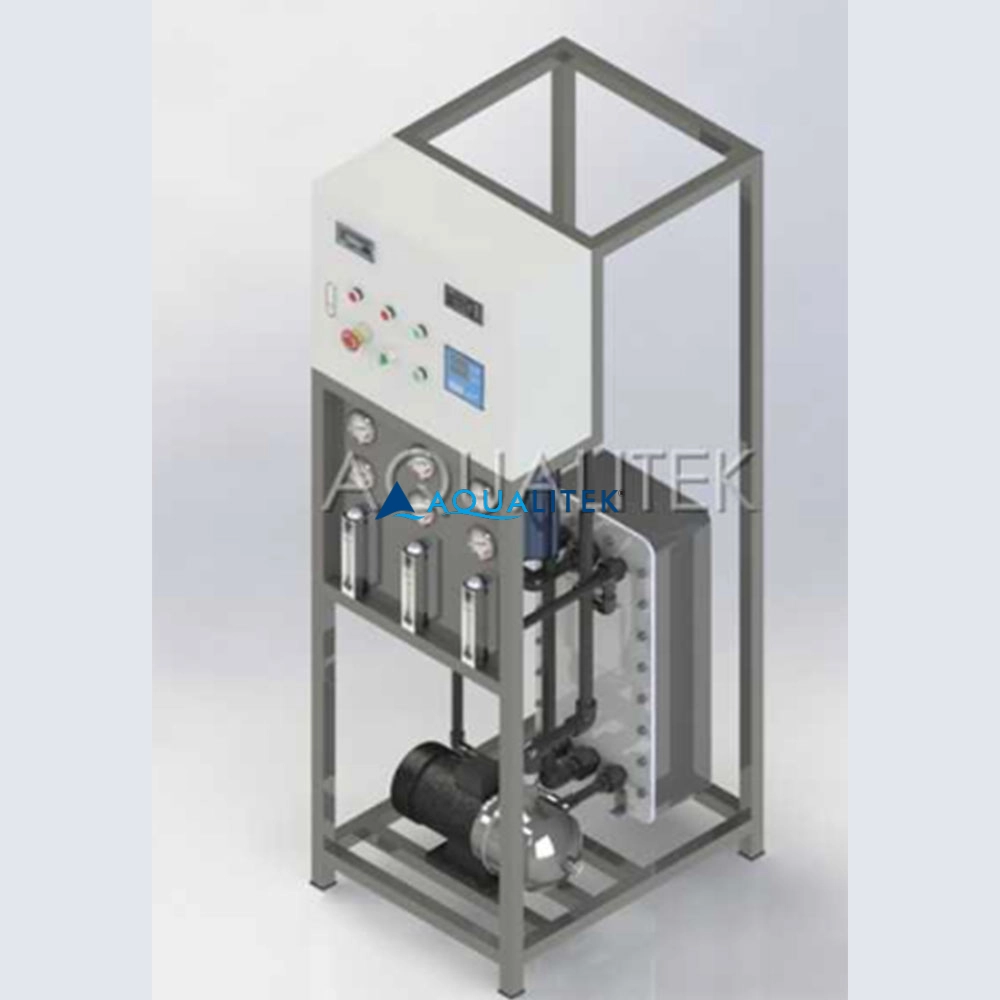
Benefits of Electrodeionization for Continuous Ultrapure Water
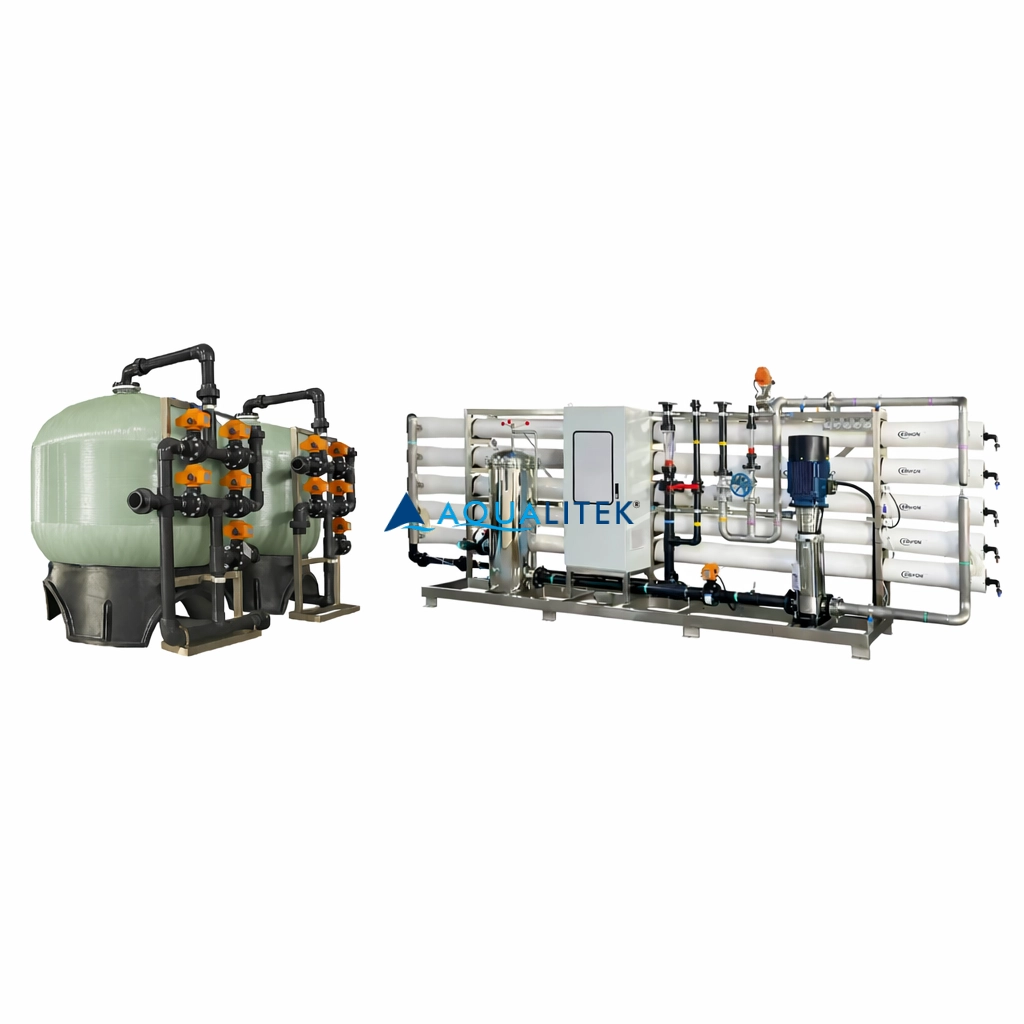
How Commercial Reverse Osmosis Systems Improve Water Quality
FAQ-aqualitek
How do I choose the right water treatment system for my needs?
The choice depends on factors such as water quality, application, flow rate, and purification requirements. Our team of experts can analyze your water source and recommend the most suitable solution for residential, commercial, or industrial applications.
Solutions
What industries does AQT serve?
We provide water treatment solutions for a wide range of industries, including:
1. Industrial Manufacturing – Process water treatment, cooling water, and boiler feed.
2. Hospitality & Commercial – Hotels, restaurants, and office buildings.
3. Residential Applications – Drinking water purification and softening.
4. Healthcare & Pharmaceuticals – Ultra-pure water for laboratories and hospitals.
5. Municipal & Public Utilities – Water supply and wastewater treatment.
6. Food & Beverage Processing – Filtration for beverage p
Does AQT provide technical support and after-sales service?
Yes! We offer comprehensive technical support, including installation guidance, troubleshooting, spare parts supply, and ongoing maintenance assistance. Our after-sales team is available to ensure your water treatment system operates efficiently.
Membrane Water Treatment Systems
How long do membranes last?
With proper maintenance and CIP, UF and RO membranes can last 3–5 years, depending on feed water quality and system design.
Ion Exchange Water Treatment Systems
Which chemicals are required for regeneration?
Softening uses NaCl. Demineralization uses HCl or H₂SO₄ for cation resin and NaOH for anion resin.
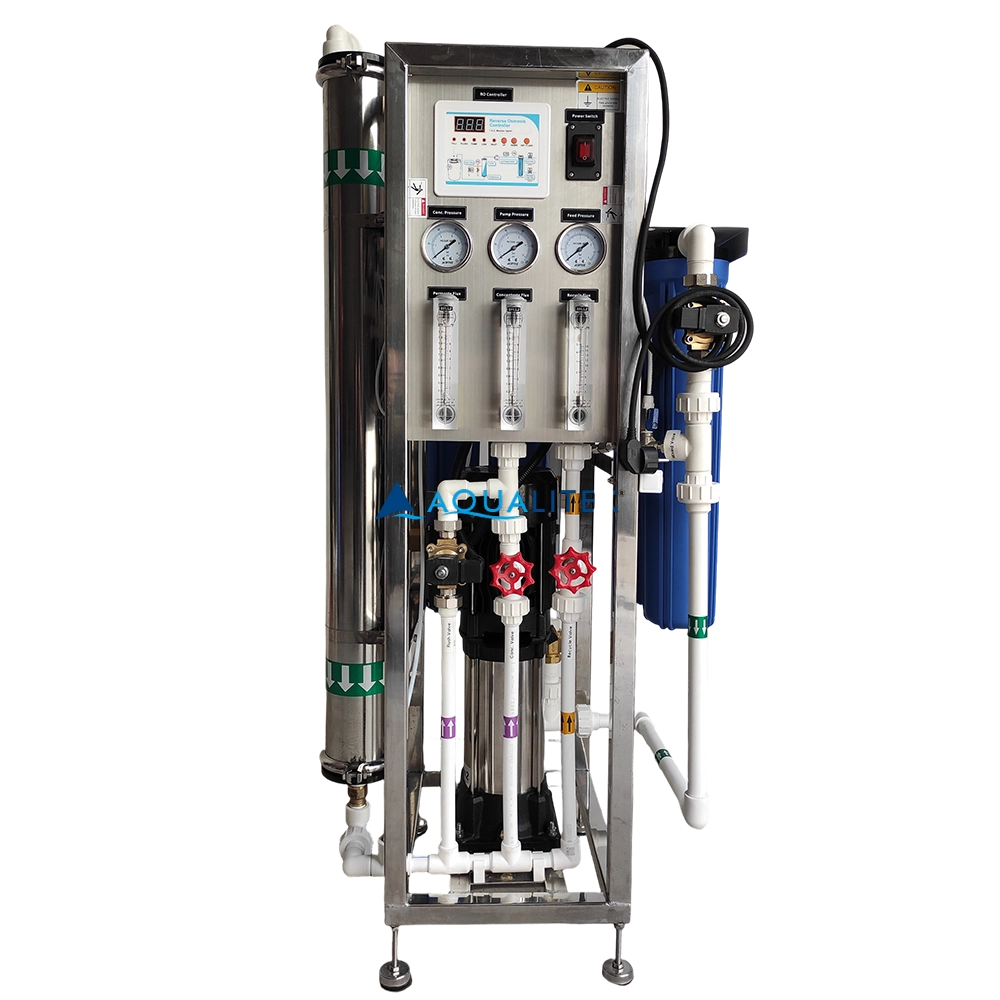
500 LPH Reverse Osmosis (RO) Water Purification Machine TWV - 412
Our 500 LPH Reverse Osmosis (RO) System is engineered to provide high-quality purified water for commercial applications. Designed with advanced RO technology, durable components, and a user-friendly interface, this system ensures consistent performance, low maintenance, and long-term reliability.
With its compact design and robust skid-mounted frame, it’s an excellent choice for businesses that demand efficiency and quality in water purification.
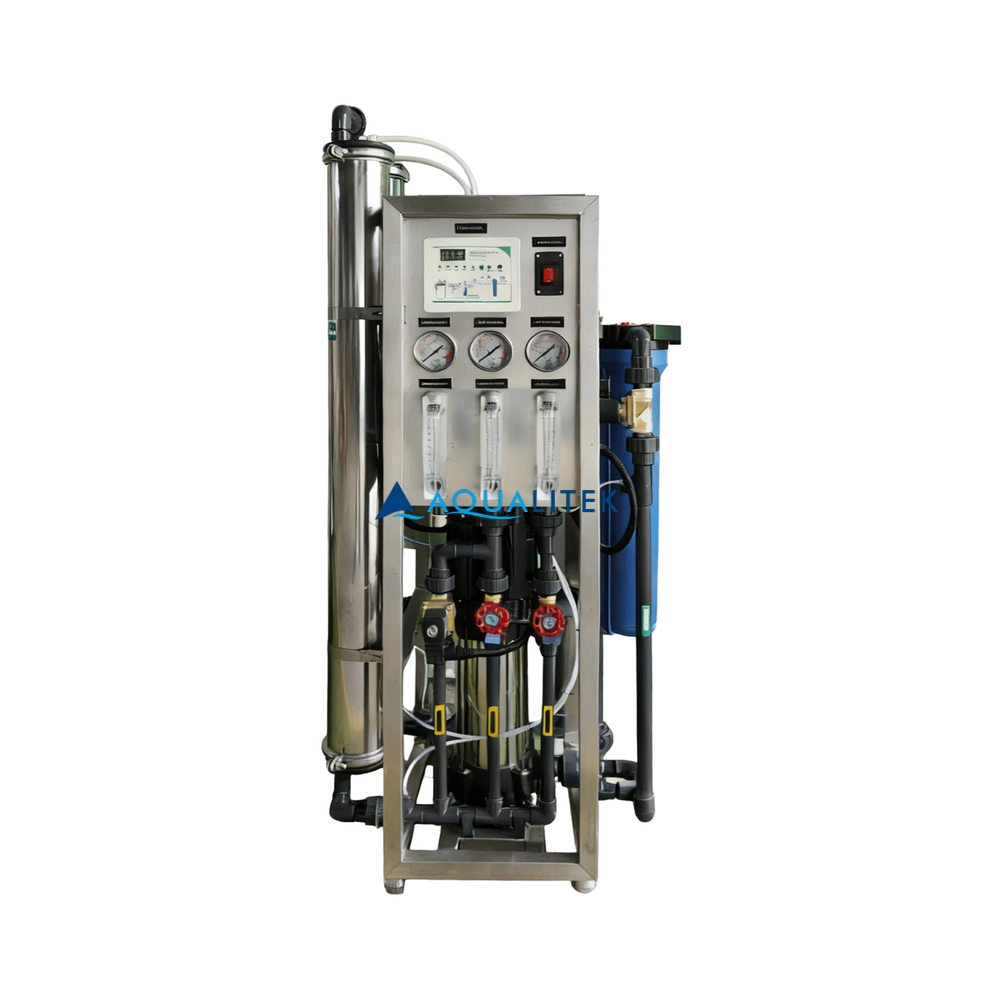
Tap Water Reverse Osmosis (TWRO) Systems TWV Series
TWV series Reverse Osmosis (RO) systems are pre-engineered and pre-assembled units with 2.5”/4” membrane housings(single element type)for tap water(lower TDS).They are designed for overall superior performance, high recovery rates and offer great savings with low maintenance and operation costs.
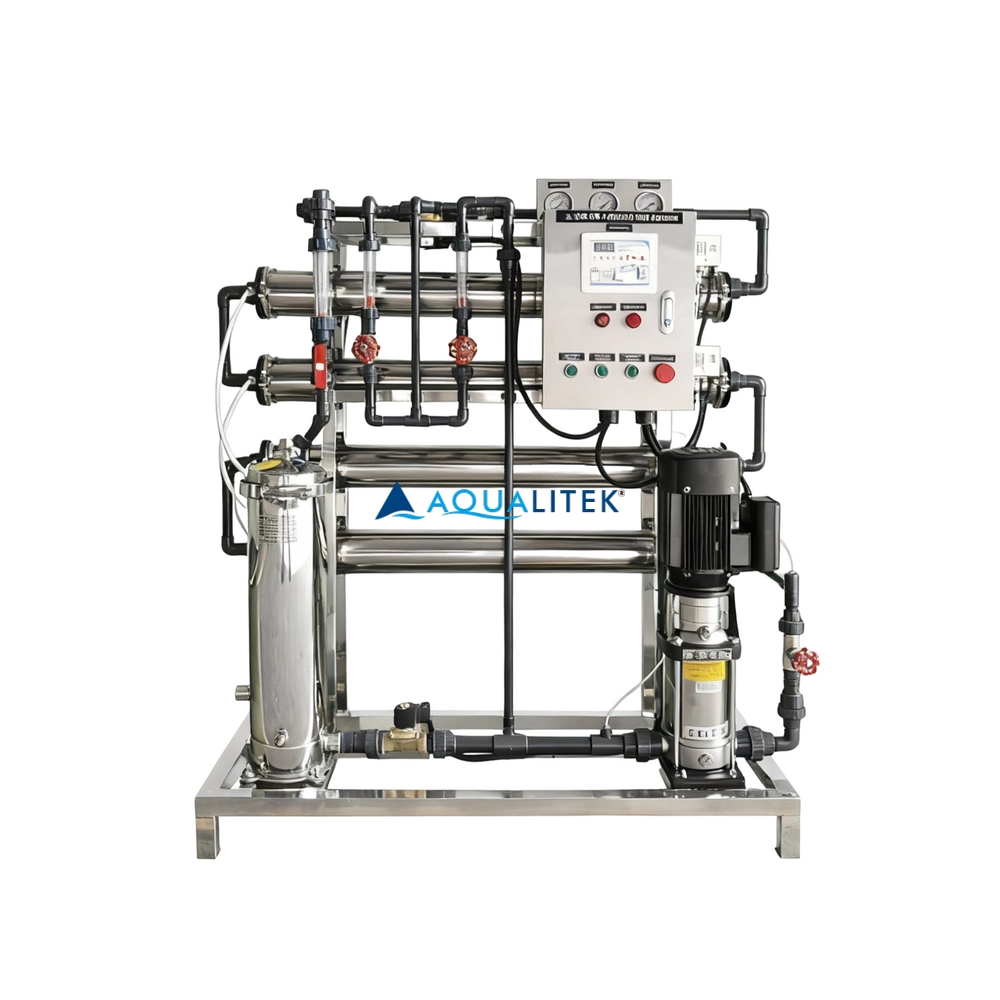
Tap Water Reverse Osmosis (TWRO) Systems TWF Series
TWF series Reverse Osmosis (RO) systems are pre-engineered and pre-assembled units with 4” membrane housings(multiple elements type) for tap water(lower TDS) .The medium large volumes can help meet your a variety of commercial and industrial applications. They are designed for overall superior performance, high recovery rates and offer great savings with low maintenance and operation costs.

Tap Water Reverse Osmosis (TWRO) Systems TWE Series
TWE series Reverse Osmosis (RO) systems are pre-engineered and pre-assembled units with 8” membrane housings for tap water (lower TDS). The large volumes can help meet your a variety of industrial applications. They are designed for overall superior performance, high recovery rates and offer great savings with low maintenance and operation costs.
Request More Information
Contact us today for product catalogs, customization options, and a free quotation designed for your business needs.
Rest assured that your privacy is important to us, and all information provided will be handled with the utmost confidentiality.
© 2026 AQUALITEK. All rights reserved.
AQUALITEK- Aimee Hoo
AQUALITEK - Aimee Hoo