
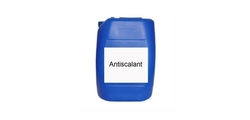




Antiscalant Selection for Industrial Reverse Osmosis
- Selecting the Right Antiscalant for High-Recovery RO Plants
- Understand your feed water scaling potential
- Match antiscalant chemistry to dominant scales
- Testing and lab screening
- Dosage, Dosing Point and Monitoring
- Calculating antiscalant dose
- Dosing location and injection point
- Online monitoring and control
- Compatibility with Membranes and Pretreatment
- Membrane material considerations
- Interaction with coagulants and biocides
- Pretreatment synergy: softening, acidification, filtration
- Operational Case Studies and Troubleshooting
- High-recovery electronic component rinse applications
- Common failure modes and remedies
- Economic and environmental considerations
- Antiscalant comparison table
- Frequently Asked Questions (FAQ)
- 1. How do I know if my RO system needs an antiscalant?
- 2. Can I use the same antiscalant for all my industrial RO plants?
- 3. What is the recommended starting dose for a new installation of the AQUALITEK 4TPH?
- 4. Will antiscalants affect my permeate water quality for electronic rinsing?
- 5. How often should I perform clean-in-place (CIP) for scale control?
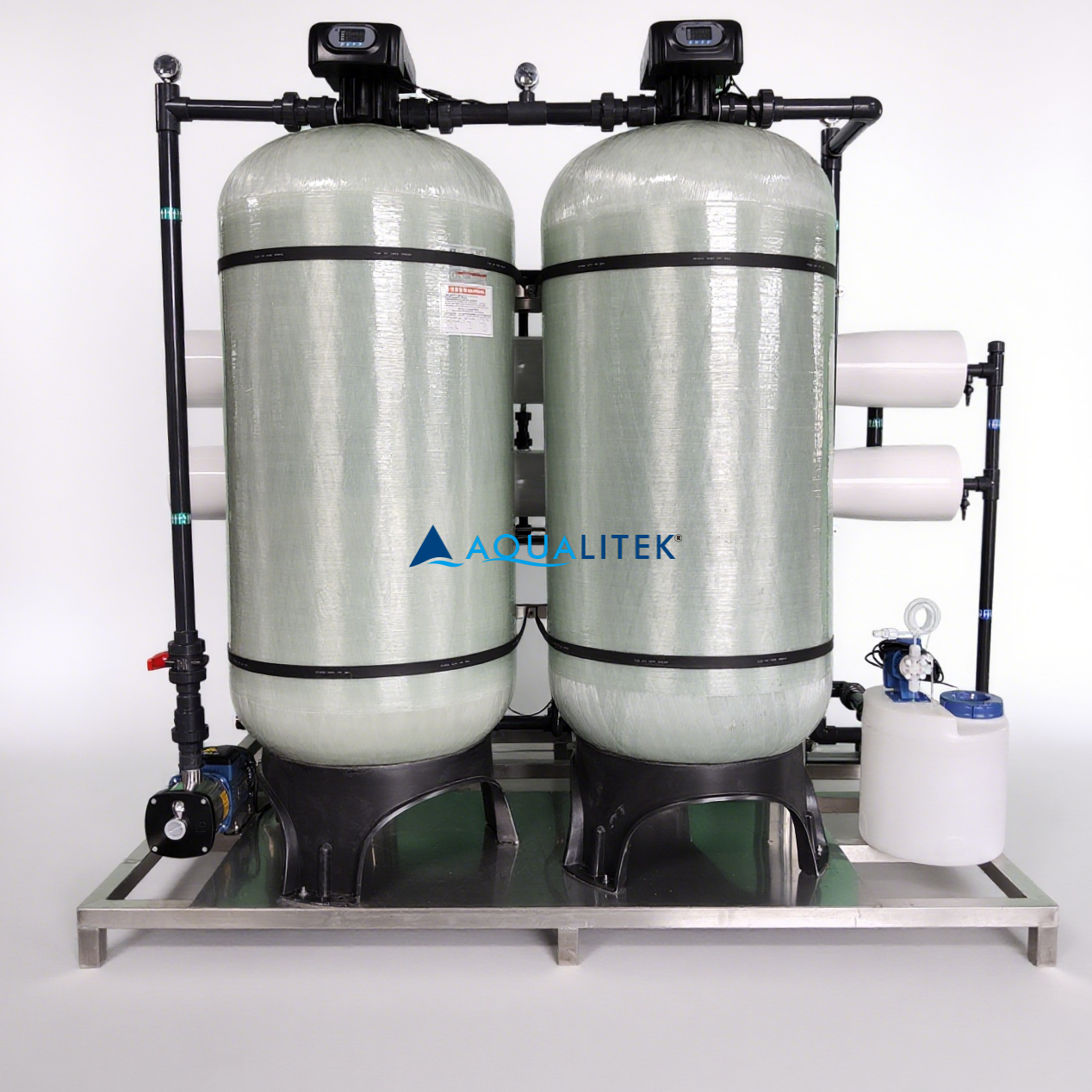
Choosing the right antiscalant for industrial reverse osmosis is one of the highest-impact decisions plant operators can make to protect membranes, maintain recovery, and reduce operating costs. This guide provides practical, evidence-based advice you can apply to manufacturing and processing applications (for example, electronic component cleaning water), covering feedwater assessment, chemistry matching, dosing and monitoring strategies, membrane compatibility, and real-world troubleshooting. Citations to authoritative resources are included for deeper standards and technical background.
Product highlight:
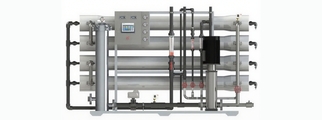
AQUALITEK 4TPH Industrial Reverse Osmosis Water Purification RO System, high-efficiency industrial-grade RO water treatment plant for manufacturing & processing, commercial reverse osmosis filtration system ideal for electronic component cleaning water use.
Selecting the Right Antiscalant for High-Recovery RO Plants
Understand your feed water scaling potential
Before selecting any antiscalant, characterize feed water chemistry. Key parameters include total dissolved solids (TDS), hardness (Ca2+, Mg2+), alkalinity, sulfate, silica, iron, barium/strontium, pH, and temperature. Use laboratory analyses to calculate saturation indices (e.g., Langelier Saturation Index for carbonate scaling) and to estimate the scaling tendency for calcium carbonate, calcium sulfate, silica, and other salts. This step determines whether scale is primarily inorganic (carbonate/sulfate) or silica/metal-oxide driven, and whether organic fouling or biofouling may change antiscalant choice.
Authoritative background on reverse osmosis principles is available at Wikipedia — Reverse osmosis.
Match antiscalant chemistry to dominant scales
Not all antiscalants are equally effective for all scale types. Common classes include:
- Phosphonate-based antiscalants — strong against CaCO3 and mixed carbonate/sulfate scales, but can chelate metals.
- Polymeric (carboxylate/polymer) chemistries — broad-spectrum, often better for particulate stabilization and silica control when formulated accordingly.
- Silica-targeted blends — specialized polymers or hybrid formulations to keep colloidal and reactive silica in suspension.
Select a product formulated for the most troublesome scale in your feed. For example, high-sulfate, high-temperature feedwaters often require antiscalants with strong sulfate control; high-silica waters require silica-specific formulations. Manufacturers provide technical data sheets and lab screening results — request those and independent lab jar test data.
Testing and lab screening
Practical verification should include: jar tests across expected pH, temperature, and TDS ranges; bench-scale crossflow tests; and membrane coupons to detect early deposition. Bench RO or pilot units are recommended for high-capital installations or when operating at aggressive recovery. Many antiscalant vendors will run feed-specific screening at no charge; use those results as part of your selection decision.
Dosage, Dosing Point and Monitoring
Calculating antiscalant dose
Typical antiscalant dosing for industrial reverse osmosis ranges from about 0.5 to 10 mg/L (ppm) depending on feedwater and the specific product; some silica-targeted chemistries require higher doses. Recommended approach:
- Start from vendor recommended dose from jar tests or literature.
- Adjust based on recovery target — higher recovery increases concentration factors and may require dose increases.
- Monitor plant indicators (TMP trends, flux decline, scaling alarms) and adjust dose conservatively.
Always document dosing in mass (kg/day) based on feed flow and dosing concentration; this helps procurement and cost calculations.
Dosing location and injection point
Antiscalant should be injected upstream of the RO feed pump but after any media filtration or cartridge filtration where mixing and contact are assured. This protects the pump from undissolved solids and ensures chemical has contact time before the first membrane stage. For multi-stage arrays, ensure even distribution — use a properly sized static mixer or sufficient retention length to achieve uniform dispersion.
Online monitoring and control
Key parameters to monitor continuously or periodically:
- Feed and permeate flow, permeate conductivity or TDS.
- Transmembrane pressure (TMP) and differential pressure across stages.
- pH and temperature.
- Visual or automated detection of scaling (e.g., slope changes in TMP or normalized flux).
Automatic control strategies can be implemented: dosing tied to feed flow (flow-paced dosing) is common; more advanced systems use recovery-based dose adjustment or feedback from online scale monitors. For guidance on membrane performance monitoring, see resources from water industry associations such as the American Water Works Association (AWWA).
Compatibility with Membranes and Pretreatment
Membrane material considerations
Most industrial RO systems use thin-film composite (TFC) polyamide membranes for their high salt rejection. Some antiscalants (especially those containing high phosphonate content) can interact with membrane surfaces or pretreatment residuals — causing potential flux decline or influencing clean-in-place (CIP) performance. Verify vendor compatibility statements for polyamide and any specialty membranes used in your 4TPH system.
Interaction with coagulants and biocides
In plants using coagulation/flocculation upstream, residual coagulant or polymeric flocculants can interfere with antiscalant adsorption sites or destabilize colloids. Likewise, some biocides may react with antiscalant chemistries. Coordination between pretreatment chemical programs is essential: ask your chemical suppliers for compatibility testing and run integrated jar tests combining your full chemical suite.
Pretreatment synergy: softening, acidification, filtration
Antiscalants work best in combination with appropriate pretreatment. Examples:
- Acid dosing lowers pH to reduce carbonate scaling potential; antiscalant complements acidification for carbonate control.
- Lime or ion-exchange softening lowers hardness before RO, reducing antiscalant demand in very hard waters.
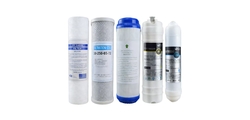
- Multi-media and cartridge filtration remove particulate and colloidal load, preventing premature antiscalant exhaustion due to particle load.
For broader membrane treatment standards and guidance, consult materials from international health and water organizations such as the World Health Organization (WHO).
Operational Case Studies and Troubleshooting
High-recovery electronic component rinse applications
Electronic component cleaning typically demands low-conductivity, low-particulate water with stringent limits on ions like silica and calcium. The AQUALITEK 4TPH Industrial Reverse Osmosis Water Purification RO System is designed for efficient, industrial-grade RO water production at a scale suitable for manufacturing. For electronic rinse water, target antiscalants that minimize silica deposition and keep particulates stabilized; pair antiscalant selection with robust upstream particulate removal (0.2–5 μm cartridges based on process needs).
Common failure modes and remedies
Symptoms and suggested corrective actions:
- Rising TMP and reduced permeate flux: likely scaling. Increase antiscalant dose incrementally, verify pH and recovery, inspect pretreatment. Consider acidic cleaning if inorganic scale is detected.
- Sudden TMP spikes or uneven stage pressure: localized scaling or fouling; inspect first-stage elements and perform staged CIP if necessary.
- High silica in permeate despite antiscalant: switch to silica-targeted formulation or add additional pretreatment (e.g., ion exchange polishing for critical applications).
Economic and environmental considerations
Selecting a cost-effective antiscalant balances dose rate, product unit cost, and impact on CIP frequency and membrane life. Environmental factors — biodegradability, phosphorus discharge restrictions, and wastewater treatment compatibility — should also guide selection. If discharge limits restrict phosphonates or certain organics, choose low-phosphorus or phosphonate-free formulations and validate via supplier documentation and local regulations (NSF and local discharge authorities can provide useful guidance; see NSF International).
Antiscalant comparison table
| Chemistry/Class | Target Scales | Typical Dose (mg/L) | Advantages | Cautions |
|---|---|---|---|---|
| Phosphonate-based | CaCO3, mixed carbonate/sulfate | 0.5–5 | Strong scale inhibition; effective at low dose | May contain phosphorus; watch discharge limits |
| Polymeric carboxylate blends | Broad-spectrum; organic/colloidal stabilization | 1–8 | Good for colloids and mixed fouling | May require higher dose for silica |
| Silica-targeted blends | Reactive silica, colloidal silica | 2–10+ | Controls silica deposits effectively | Higher cost; specific to silica issues |
| Phosphonate-free hybrids | General scale control with low P | 1–6 | Meets phosphorus discharge restrictions | Performance may vary by feed chemistry |
Frequently Asked Questions (FAQ)
1. How do I know if my RO system needs an antiscalant?
If you see rising TMP, falling permeate flow at constant feed pressure, visible deposits on membrane elements during inspection, or analytical signs of supersaturation in feedwater (high hardness, alkalinity, sulfate, silica), an antiscalant is likely needed. Calculate saturation indices and consult a lab screening to confirm.
2. Can I use the same antiscalant for all my industrial RO plants?
Not always. Feedwater chemistry, recovery targets, temperature, and membrane type vary between sites. Use a feed-specific selection process: analyze feedwater, run jar tests or pilot trials, and confirm membrane compatibility before standardizing across sites.
3. What is the recommended starting dose for a new installation of the AQUALITEK 4TPH?
Begin with vendor-recommended dosing based on jar-test results. Typical starting ranges for many industrial feeds are 1–5 mg/L. For the AQUALITEK 4TPH Industrial Reverse Osmosis Water Purification RO System, document feed flow and use flow-paced dosing to maintain consistent concentration; adjust based on performance metrics.
4. Will antiscalants affect my permeate water quality for electronic rinsing?
Properly selected and dosed antiscalants should not significantly affect permeate resistivity or conductivity; they act in the feed side and do not typically pass membranes in significant amounts. However, always validate permeate chemistry against your process requirements and perform periodic permeate analysis.
5. How often should I perform clean-in-place (CIP) for scale control?
Frequency depends on feedwater and operating conditions. With effective antiscalant and monitoring, many plants reduce CIP frequency and extend membrane life. Establish a baseline CIP schedule (for example, quarterly or semi-annually) and adjust based on TMP trends, permeate decline, and membrane autopsy findings.
If you have specific feedwater data (analyses for hardness, alkalinity, sulfate, silica, TDS, pH, and temperature), our team can provide a tailored antiscalant recommendation and run jar tests or pilot evaluations.
Contact us / View product: To discuss antiscalant selection for your application or to learn more about the AQUALITEK 4TPH Industrial Reverse Osmosis Water Purification RO System, view the product page or contact our technical sales team for a free feedwater review and dosing proposal.
Further reading and standards: World Health Organization membrane guidance (WHO), reverse osmosis principles (Wikipedia), American Water Works Association resources (AWWA), and chemical/product safety and compliance information from NSF International.
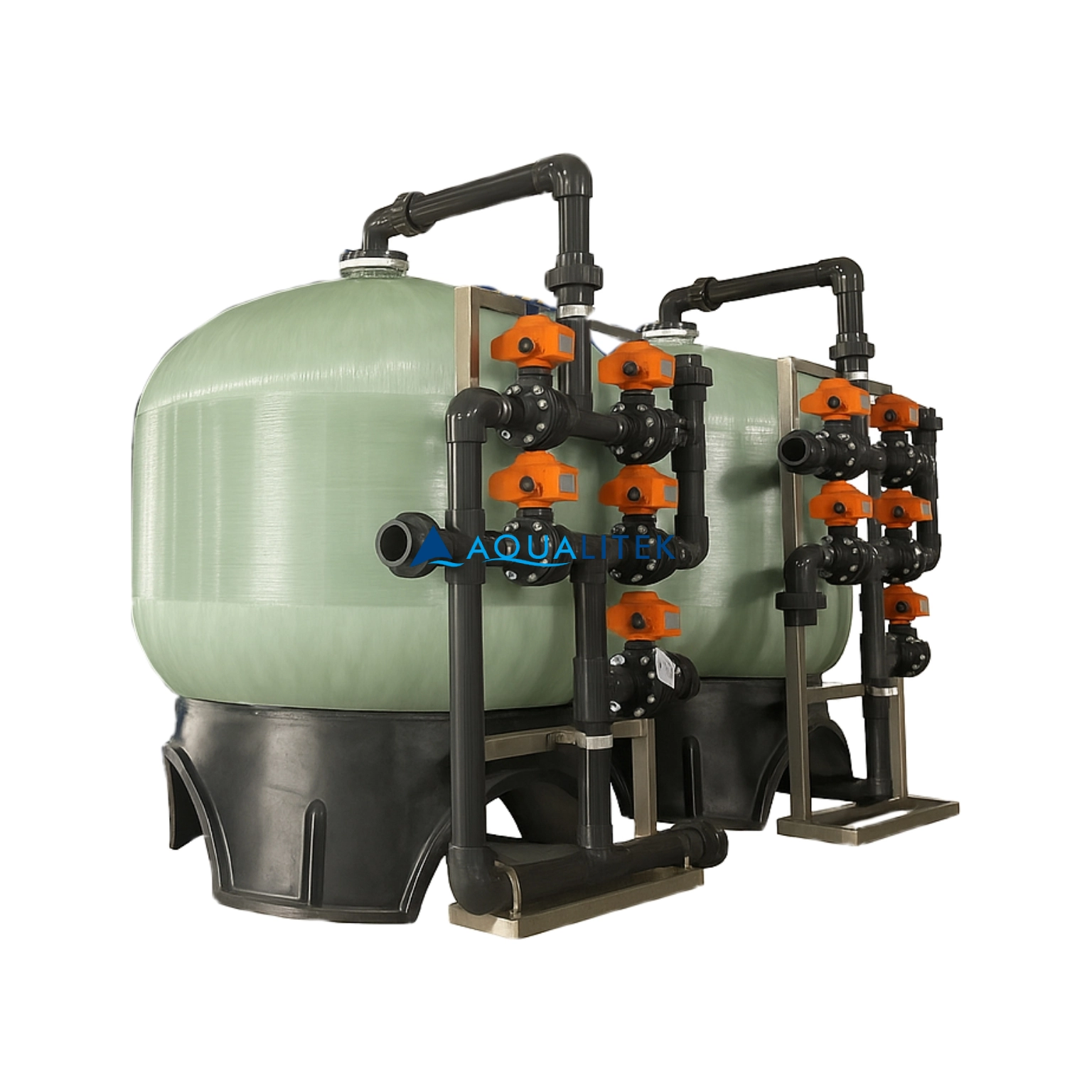
Comparing Commercial Reverse Osmosis Systems by Performance
Top Mistakes When Buying a Water Purification System: Practical Buyer’s Guide
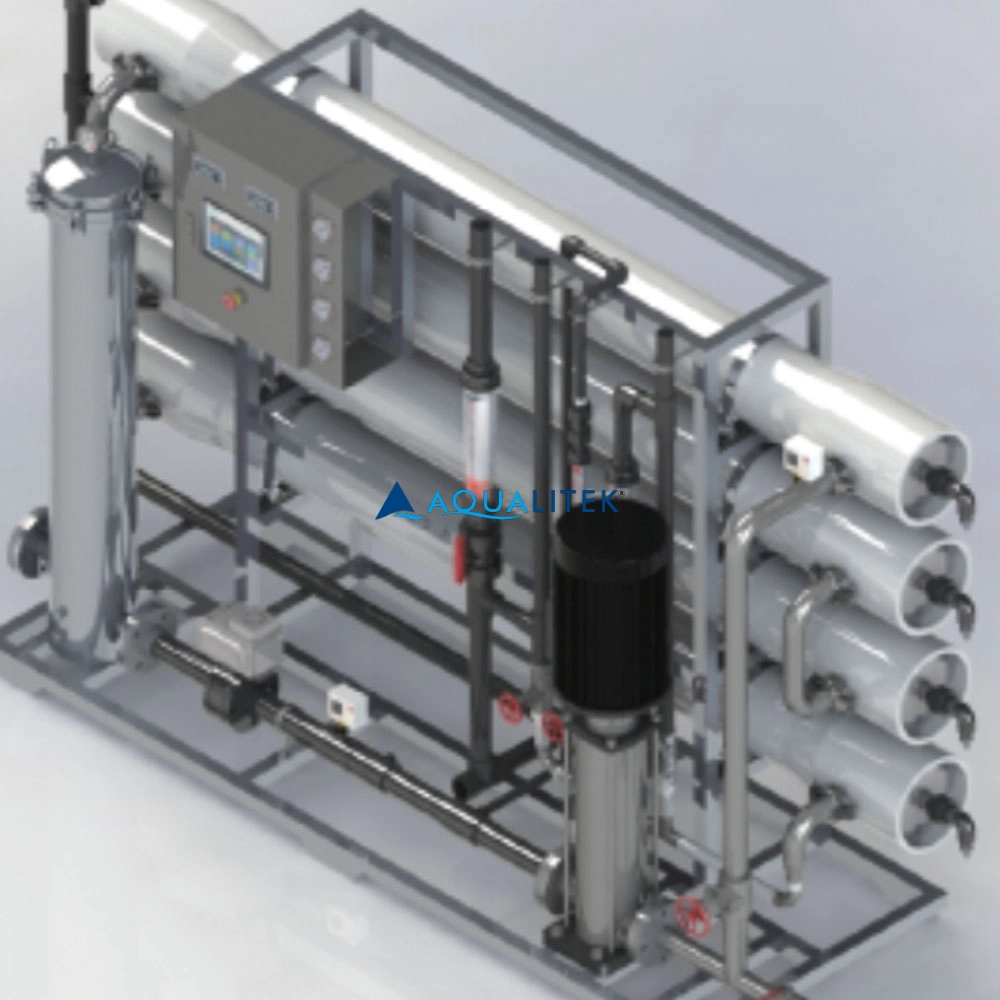
Benefits of Brackish Water Reverse Osmosis for Well Water
Best Industrial RO Machines for Factories 2026
FAQ-aqualitek
Does AQT provide technical support and after-sales service?
Yes! We offer comprehensive technical support, including installation guidance, troubleshooting, spare parts supply, and ongoing maintenance assistance. Our after-sales team is available to ensure your water treatment system operates efficiently.
Can I use AQT’s water treatment systems for seawater desalination?
Yes! We provide seawater desalination systems using advanced reverse osmosis (RO) technology, specifically designed to convert seawater into fresh, drinkable water. These systems are ideal for coastal communities, marine applications, and industrial desalination projects.
Solutions
Are AQT’s water treatment products certified?
Yes! Our products comply with international quality and safety standards, including ISO, CE, and NSF certifications. We prioritize high-quality materials, advanced technology, and strict quality control to ensure superior performance and reliability.
Can AQT provide custom water treatment solutions?
Yes! We specialize in OEM/ODM water treatment solutions and can design custom filtration systems tailored to your business, industry, or brand requirements. Our team can assist with system design, branding, private labeling, and technical support.
Ion Exchange Water Treatment Systems
Can ion exchange work with seawater or high-TDS water?
Ion exchange is more suitable for low to moderate TDS water. High-TDS applications often use RO as a primary treatment.
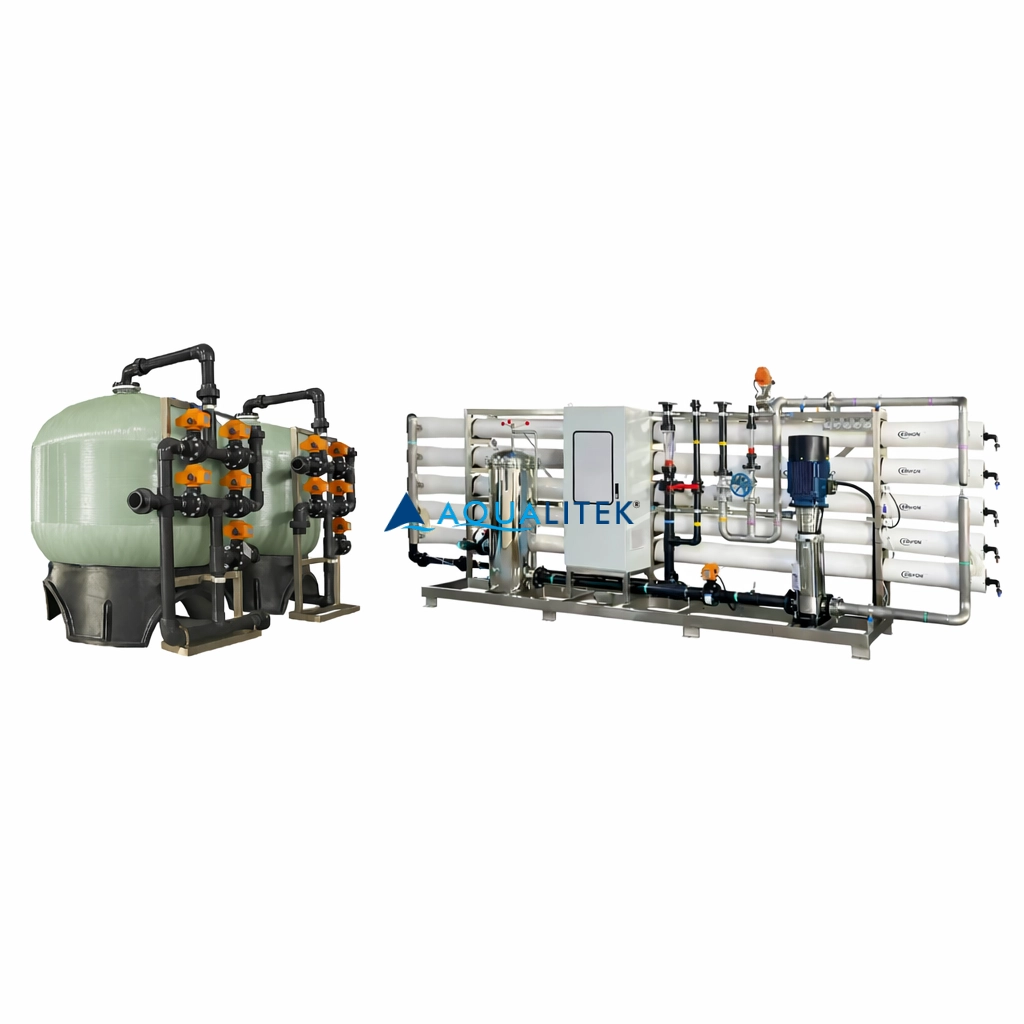
30TPH Industrial Reverse Osmosis (RO) System
30TPH Industrial Reverse Osmosis (RO) System designed for industrial and municipal water treatment. High salt rejection, energy-efficient design, PLC control, and customizable configuration.
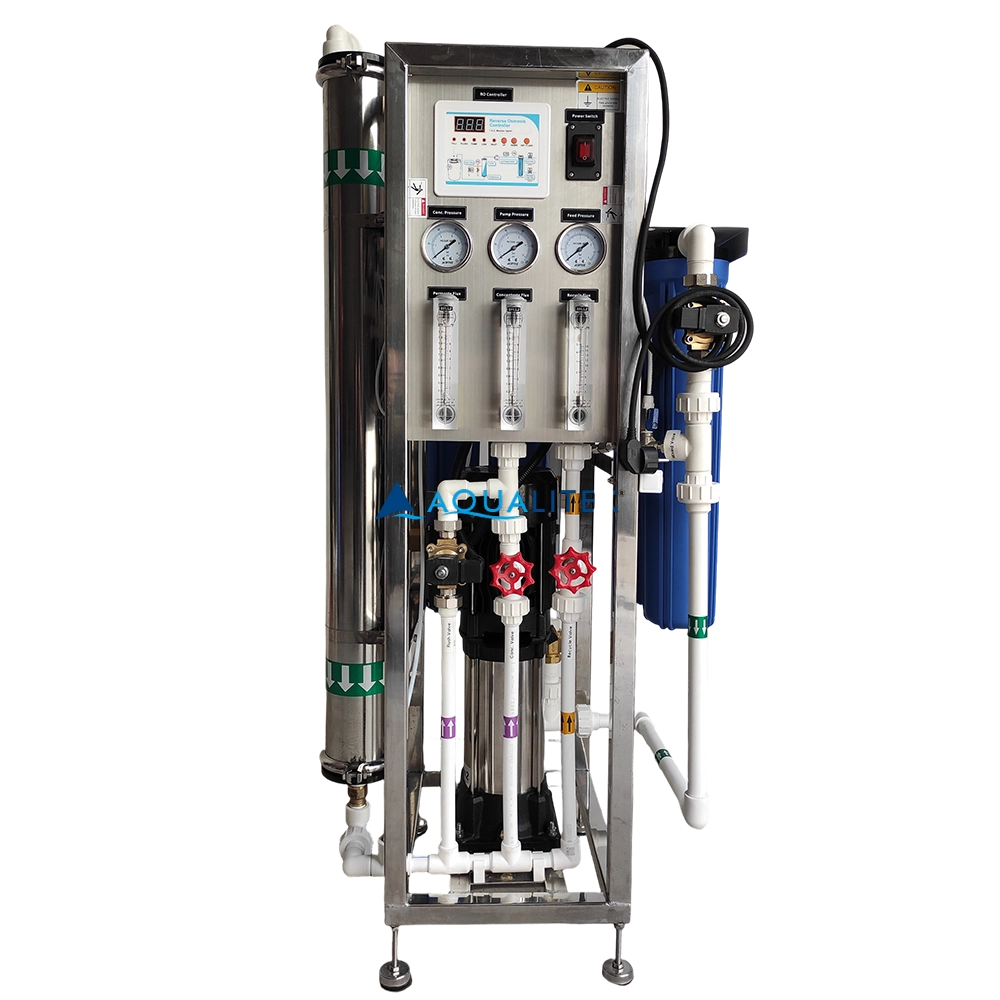
500 LPH Reverse Osmosis (RO) Water Purification Machine TWV - 412
Our 500 LPH Reverse Osmosis (RO) System is engineered to provide high-quality purified water for commercial applications. Designed with advanced RO technology, durable components, and a user-friendly interface, this system ensures consistent performance, low maintenance, and long-term reliability.
With its compact design and robust skid-mounted frame, it’s an excellent choice for businesses that demand efficiency and quality in water purification.
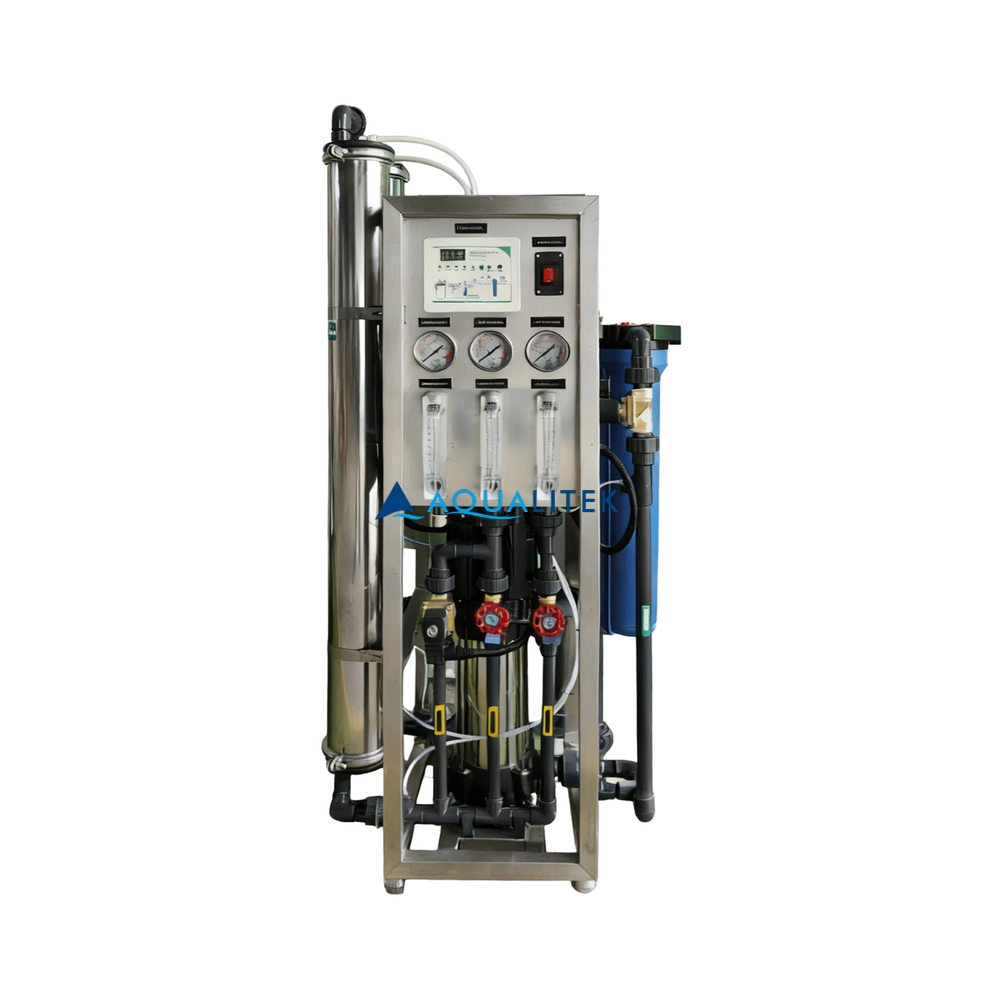
Tap Water Reverse Osmosis (TWRO) Systems TWV Series
TWV series Reverse Osmosis (RO) systems are pre-engineered and pre-assembled units with 2.5”/4” membrane housings(single element type)for tap water(lower TDS).They are designed for overall superior performance, high recovery rates and offer great savings with low maintenance and operation costs.
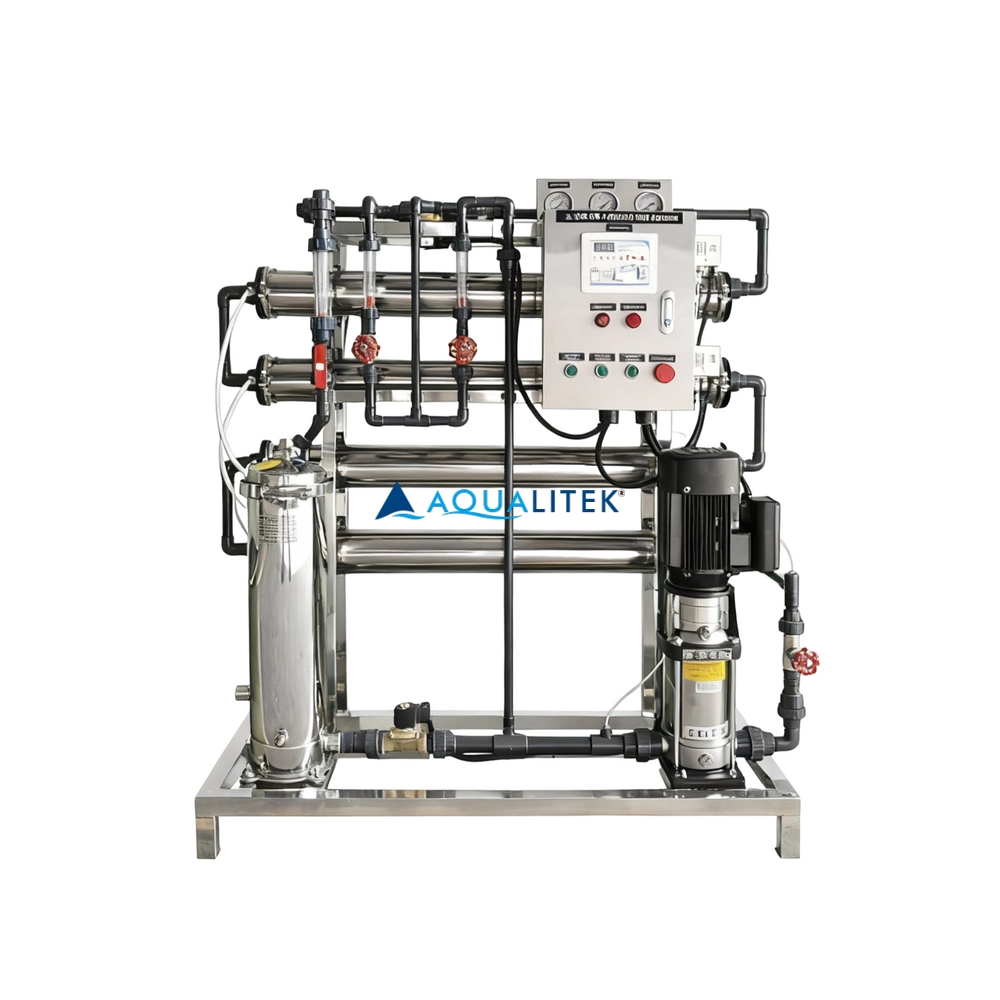
Tap Water Reverse Osmosis (TWRO) Systems TWF Series
TWF series Reverse Osmosis (RO) systems are pre-engineered and pre-assembled units with 4” membrane housings(multiple elements type) for tap water(lower TDS) .The medium large volumes can help meet your a variety of commercial and industrial applications. They are designed for overall superior performance, high recovery rates and offer great savings with low maintenance and operation costs.
Request More Information
Contact us today for product catalogs, customization options, and a free quotation designed for your business needs.
Rest assured that your privacy is important to us, and all information provided will be handled with the utmost confidentiality.
© 2026 AQUALITEK. All rights reserved.
AQUALITEK- Aimee Hoo
AQUALITEK - Aimee Hoo