
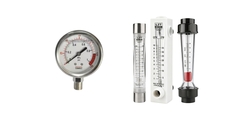
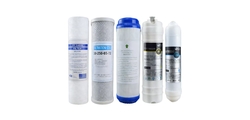
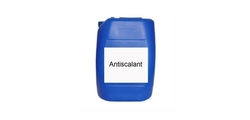




Why Choose a 30TPH Industrial Reverse Osmosis (RO) System
- Performance and Water Quality Advantages
- High Salt Rejection and Consistent Permeate Quality
- Treatment of Challenging Source Waters
- Monitoring and PLC Control for Quality Assurance
- Operational Efficiency and Lifecycle Costs
- Energy Efficiency and Energy Recovery
- Recovery Rates and Concentrate Management
- Maintenance Predictability and Downtime Reduction
- Design, Customization, and Site Integration
- Compact Footprint and Skid-Mounted Options
- Customizable Configurations for Process Requirements
- Controls, Remote Access and Compliance
- Economic and Environmental Considerations
- CapEx vs OpEx: Finding the Right Balance
- Sustainability: Water Reuse and Reduced Waste
- Comparison Table: Typical Performance Metrics
- Brand Strengths, Support and Installation
- Engineering Support and Custom Project Design
- Training, Spare Parts and Local Service
- Warranty, Certifications and Compliance
- FAQ — Frequently Asked Questions
- Q: What makes a 30TPH unit different from smaller commercial reverse osmosis systems?
- Q: How energy-efficient is the 30TPH Industrial RO System?
- Q: What inbound water quality is acceptable?
- Q: How often do membranes need replacement?
- Q: Can the system be expanded or paralleled?
- Contact & Next Steps
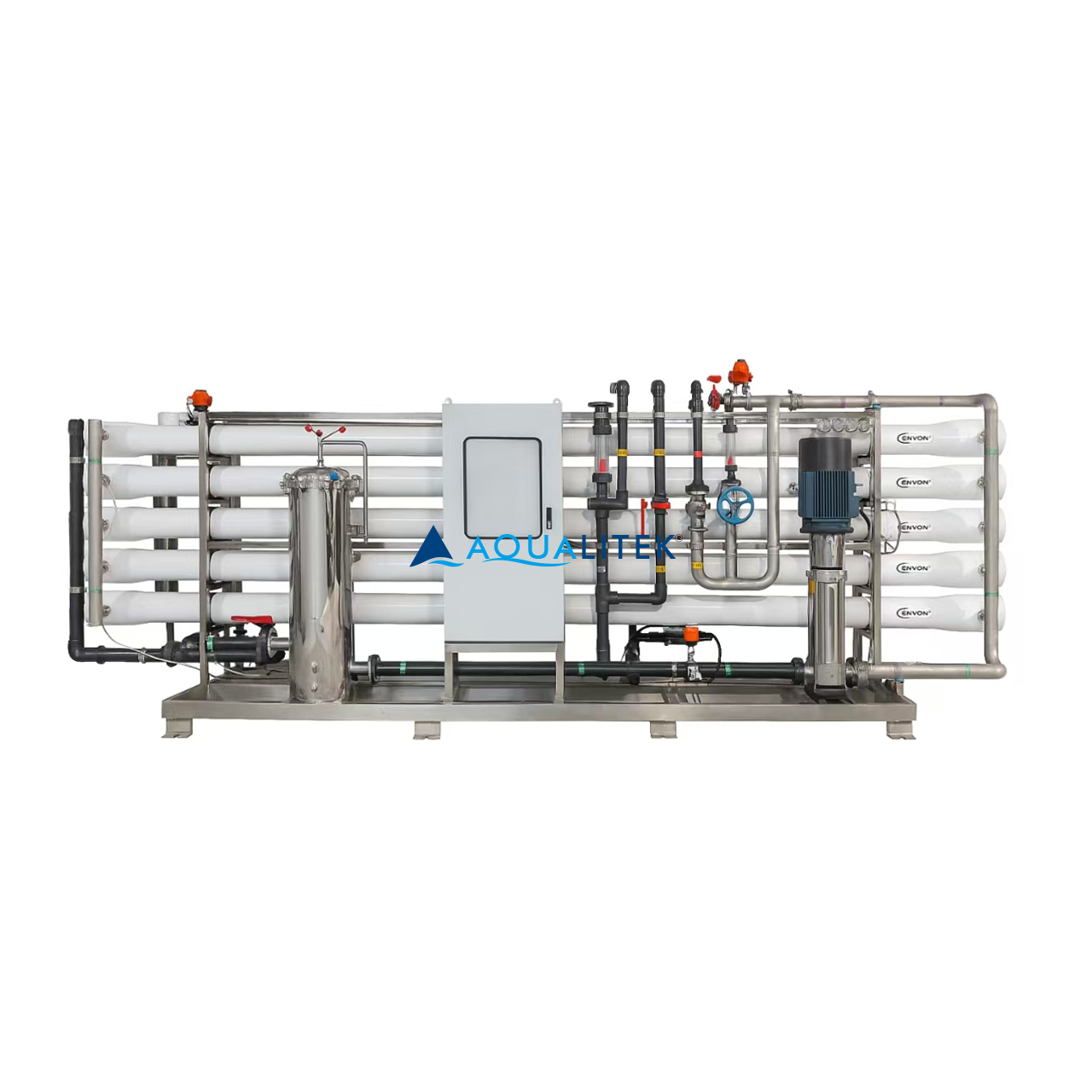
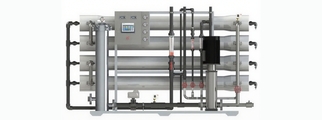
The 30TPH Industrial Reverse Osmosis (RO) System designed for industrial and municipal water treatment. High salt rejection, energy-efficient design, PLC control, and customizable configuration.
The 30TPH Industrial Reverse Osmosis (RO) System is a high-capacity commercial reverse osmosis system built to meet continuous, large-volume water production needs. It integrates high-rejection membranes, energy recovery approaches, and PLC-based automation to provide stable permeate quality while minimizing operating cost and footprint. For plant engineers, water managers, and procurement teams, understanding why a 30TPH unit may be the right fit requires evaluating capacity needs, source-water quality, energy use, and maintenance logistics—topics covered in depth below.
Performance and Water Quality Advantages
High Salt Rejection and Consistent Permeate Quality
One of the primary reasons to select the 30TPH Industrial Reverse Osmosis (RO) System is its high salt rejection capability. Modern RO membranes used in these systems typically achieve salt rejection rates above 99% for monovalent ions when properly pre-treated and maintained. This makes the system suitable for producing water for boiler feed, process water, cooling towers, and potable reuse pre-treatment applications. For a technical overview of reverse osmosis principles and rejection performance, see the Wikipedia entry on reverse osmosis: https://en.wikipedia.org/wiki/Reverse_osmosis.
Treatment of Challenging Source Waters
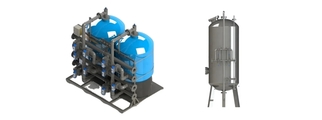
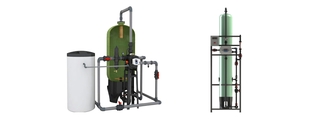
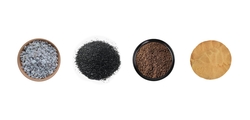
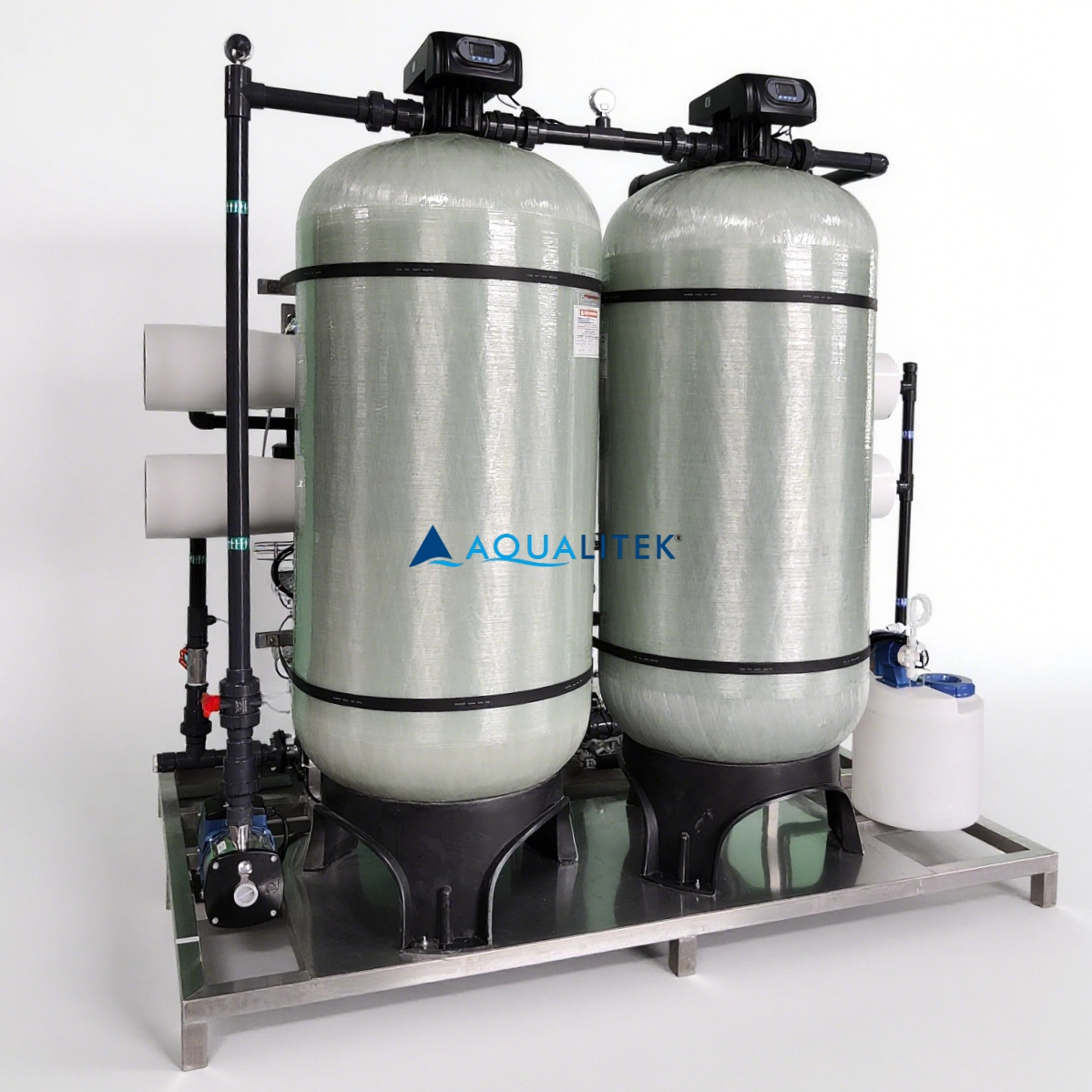
Industrial and municipal feedwaters vary: surface water, groundwater, brackish, or mixed sources. The 30TPH RO platform is engineered with flexible pre-treatment stages (e.g., multimedia filters, activated carbon, antiscalant dosing, and softening) so that membranes receive water within recommended SDI and hardness limits. Proper pre-treatment prevents fouling and scaling, ensuring consistent salt rejection and longer membrane life.
Monitoring and PLC Control for Quality Assurance
Integrated PLC control offers automated setpoints for conductivity, pressure differentials, recovery rate, and alarm management. Automatic flushing cycles, CIP (clean-in-place) prompts, and remote SCADA connectivity reduce manual intervention while maintaining compliance with quality metrics. This level of automation helps meet regulatory and internal quality objectives with lower labor overhead.
Operational Efficiency and Lifecycle Costs
Energy Efficiency and Energy Recovery
Energy consumption is a key driver of lifecycle cost for any commercial reverse osmosis system. The 30TPH RO System incorporates low-energy membranes, optimized pump-motor selection (IE3/IE4 motors), and—where applicable—energy recovery devices to reduce kWh/m3. Typical modern brackish RO plants with energy recovery can cut energy use substantially; for comparison of treatment technologies and energy considerations, the U.S. EPA’s water research resources are useful: https://www.epa.gov/water-research.
Recovery Rates and Concentrate Management
Higher recovery reduces feedwater needs and concentrate volume, lowering disposal cost. The 30TPH platform can be configured for conservative to high recovery depending on feed salinity and discharge permits. System designers balance recovery against scaling risk; antiscalant dosing and two-pass RO configurations can enable higher overall recovery without compromising membrane life.
Maintenance Predictability and Downtime Reduction
Standardized module design and PLC-driven predictive maintenance reduce unplanned downtime. Spares (pumps, valves, membranes) are modular and accessible for quick replacement. A planned maintenance schedule based on differential pressure, conductivity trends, and membrane CIP history extends membrane life and keeps operating expenses predictable.
Design, Customization, and Site Integration
Compact Footprint and Skid-Mounted Options
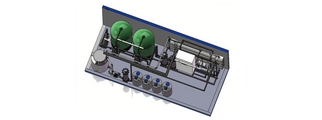
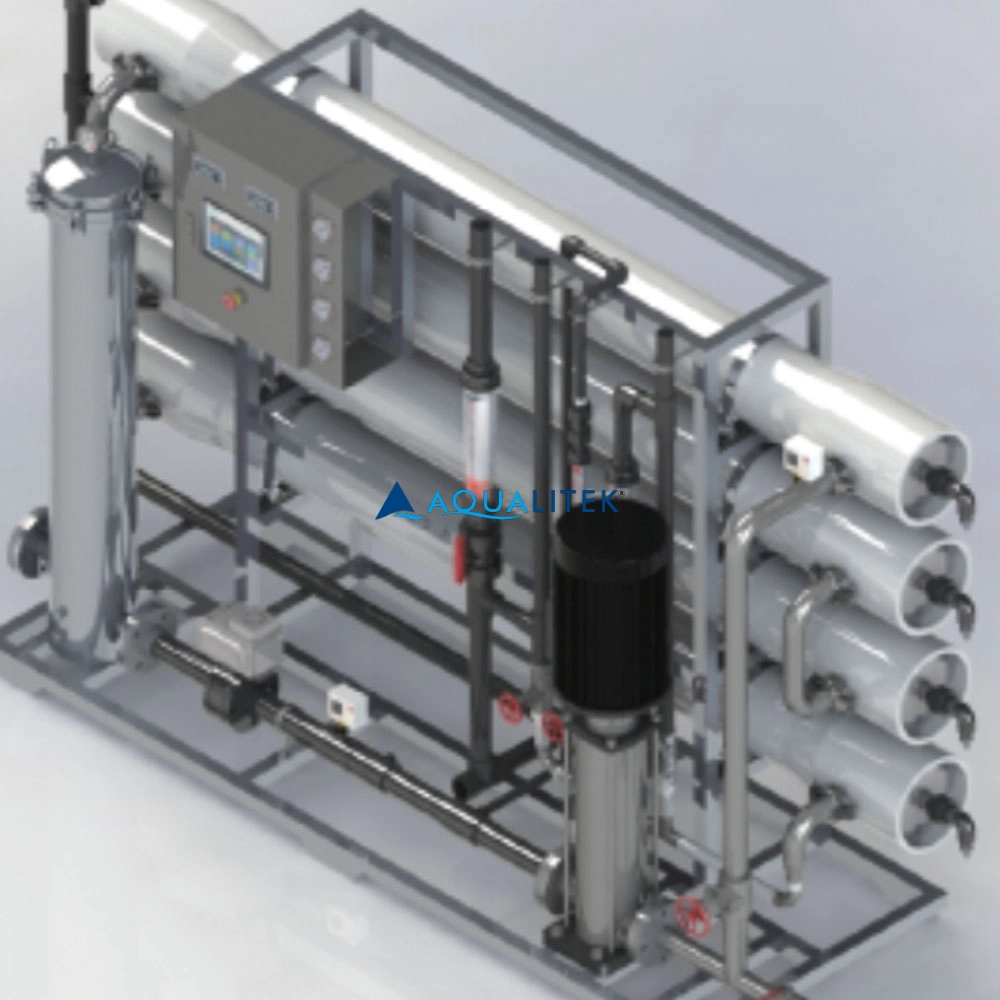
For industrial sites where space is at a High Quality, the 30TPH RO System can be supplied as a skid-mounted, factory-tested unit. Skid systems reduce installation time and commissioning complexity. They are delivered pre-piped and pre-wired with a PLC, reducing onsite labor and integration risk.
Customizable Configurations for Process Requirements
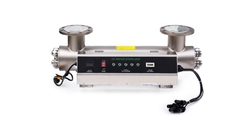
Every industrial application is different. Customizable options include single-pass or two-pass RO, duplexing for redundancy, variable-frequency drives (VFDs) for pumps, pre-treatment packages for tannin, iron, or silica removal, and post-treatment (UV, degassing, remineralization). This flexibility ensures the commercial reverse osmosis system aligns with final water specifications rather than forcing process changes to fit the equipment.
Controls, Remote Access and Compliance
Modern PLC systems support remote monitoring, data logging, and alarm escalation—features that are increasingly important for municipal customers with regulatory reporting obligations. Data export for compliance and operational analytics helps operators optimize setpoints and demonstrate adherence to local standards.
Economic and Environmental Considerations
CapEx vs OpEx: Finding the Right Balance
Choosing between higher upfront investment (e.g., energy recovery, High Quality membranes) and lower immediate cost requires lifecycle cost modeling. The 30TPH Industrial Reverse Osmosis (RO) System can be configured to minimize either CapEx or OpEx. A lifecycle financial projection typically examines membrane replacement schedules, energy price assumptions, chemical consumption, and concentrate disposal costs to determine the lowest total cost of ownership.
Sustainability: Water Reuse and Reduced Waste
RO systems enable industrial water reuse, lowering freshwater withdrawal and wastewater discharge volumes. When paired with appropriate post-treatment, permeate from a 30TPH system can substitute potable water or reduce process make-up. Industry guidance from organizations such as the International Water Association (IWA) helps frame water reuse strategies: https://www.iwa-network.org/.
Comparison Table: Typical Performance Metrics
Below is a representative comparison between a 30TPH RO unit and other typical commercial RO capacities. Values are indicative; site-specific design will determine actual numbers.
| Metric | 10 TPH (Small) | 30 TPH (This Product) | 60 TPH (Large) |
|---|---|---|---|
| Typical Recovery (%) | 65–75 | 65–78 | 60–75 |
| Energy Use (kWh/m3) | 0.6–1.2 | 0.5–1.1 | 0.45–1.0 |
| Salt Rejection (%) | ~98–99+ | ~98–99.7+ | ~98–99.7+ |
| Typical Footprint (m²) | 12–25 | 25–45 | 45–90 |
| Recommended Use | Small plants, niche processes | Industrial plants, municipal clusters | Large municipalities, multi-line industries |
Data above is for planning only. Confirm with pilot tests and site-specific engineering.
Brand Strengths, Support and Installation
Engineering Support and Custom Project Design
Leading providers of the 30TPH Industrial Reverse Osmosis (RO) System offer in-house engineering for pre-design studies, pilot testing, and full-scale deployment. This includes source-water analysis, pretreatment recommendations, and membrane selection to match feedwater chemistry. Engaging with an experienced vendor helps de-risk commissioning and ensures warranty alignment.
Training, Spare Parts and Local Service
Operational performance depends on trained operators and ready access to spare parts. Vendors often provide operator training, SOP documentation, and a recommended spare parts kit to maintain uptime. Local service networks shorten response time for critical repairs.
Warranty, Certifications and Compliance
Confirm certifications, warranty terms, and compliance documentation before purchase. Reputable vendors provide equipment documentation, material traceability, and compliance support for municipal permitting. For background on water standards and regulatory frameworks, refer to the U.S. EPA and industry associations: https://www.epa.gov.
FAQ — Frequently Asked Questions
Q: What makes a 30TPH unit different from smaller commercial reverse osmosis systems?
A: A 30TPH system is sized for steady, medium-to-large production with design features (pumps, skids, automation) that support continuous operation, better economies of scale, and more robust pre-treatment compared with smaller units. It balances footprint, efficiency, and redundancy appropriate for industrial or municipal sites.
Q: How energy-efficient is the 30TPH Industrial RO System?
A: Energy efficiency depends on feedwater salinity, recovery targets, and energy recovery devices. Properly specified, a 30TPH system with energy recovery and optimized hydraulics can achieve kWh/m3 comparable to the best brackish RO plants. Lifecycle modeling is required to estimate site-specific energy consumption.
Q: What inbound water quality is acceptable?
A: The acceptable feedwater varies by design. Typical targets before RO include SDI < 3, hardness controlled, iron/manganese removed, and chlorine removed for thin-film membranes. A pre-design analysis of the feedwater will determine pre-treatment needs.
Q: How often do membranes need replacement?
A: Membrane life depends on feedwater, pre-treatment, and operational practices. With good pre-treatment and routine CIP, membranes often last 3–7 years. Monitoring differential pressure and permeate quality helps predict end-of-life.
Q: Can the system be expanded or paralleled?
A: Yes. The modular design supports parallel skids or duplex arrangements to provide capacity growth and redundancy. Discuss expansion options during pre-sales engineering to ensure space, piping, and electrical are provisioned.
Contact & Next Steps
If you are evaluating commercial reverse osmosis systems for industrial or municipal applications, our 30TPH Industrial Reverse Osmosis (RO) System is engineered for performance, reliability, and lifecycle value. For a tailored proposal, on-site assessment, or a pilot test, please contact our sales team or view the product page.
Contact us: sales@example.com | Phone: +1-800-EXAMPLE
View product: https://www.example.com/products/30tph-industrial-ro
We can provide site-specific modeling, lifecycle cost analysis, and pilot testing to validate performance under your source water conditions.
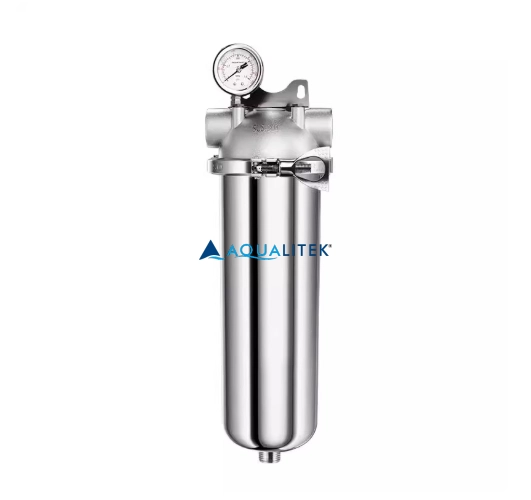
Maintenance and Lifecycle Costs of Stainless Cartridge Housings
Industrial Reverse Osmosis Machine Installation 2026
Benefits of Brackish Water Reverse Osmosis for Well Water
Energy Efficiency Metrics for Industrial RO System Procurement
Membrane Water Treatment Systems
How long do membranes last?
With proper maintenance and CIP, UF and RO membranes can last 3–5 years, depending on feed water quality and system design.
Solutions
What types of water treatment systems does AQT offer?
AQT provides a wide range of water purification solutions, including reverse osmosis (RO) systems, ultrafiltration (UF) systems, nanofiltration (NF) systems, deionization (DI) systems, electro-deionization (EDI) systems, chemical dosing systems, and water softeners. We also supply spare parts and components for water treatment systems.
FAQ-aqualitek
What types of water treatment systems does AQT offer?
AQT provides a wide range of water purification solutions, including reverse osmosis (RO) systems, ultrafiltration (UF) systems, nanofiltration (NF) systems, deionization (DI) systems, electro-deionization (EDI) systems, chemical dosing systems, and water softeners. We also supply spare parts and components for water treatment systems.
What industries does AQT serve?
We provide water treatment solutions for a wide range of industries, including:
Industrial Manufacturing – Process water treatment, cooling water, and boiler feed.
Hospitality & Commercial – Hotels, restaurants, and office buildings.
Residential Applications – Drinking water purification and softening.
Healthcare & Pharmaceuticals – Ultra-pure water for laboratories and hospitals.
Municipal & Public Utilities – Water supply and wastewater treatment.
Food & Beverage Processing – Filtration for beverage production and food safety.
Blog
How do I know when to add salt to my softener?
Check the brine tank monthly. Modern systems often alert you automatically when salt levels are low.
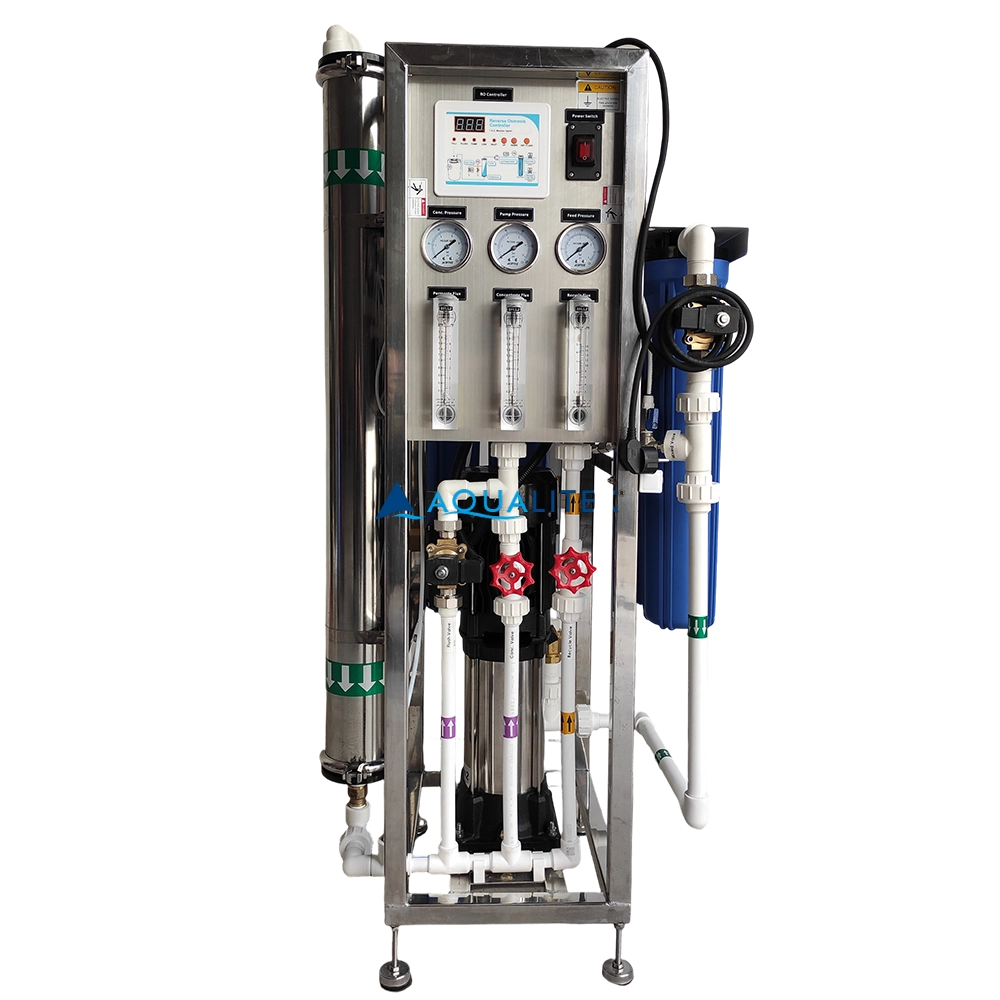
500 LPH Reverse Osmosis (RO) Water Purification Machine TWV - 412
Our 500 LPH Reverse Osmosis (RO) System is engineered to provide high-quality purified water for commercial applications. Designed with advanced RO technology, durable components, and a user-friendly interface, this system ensures consistent performance, low maintenance, and long-term reliability.
With its compact design and robust skid-mounted frame, it’s an excellent choice for businesses that demand efficiency and quality in water purification.
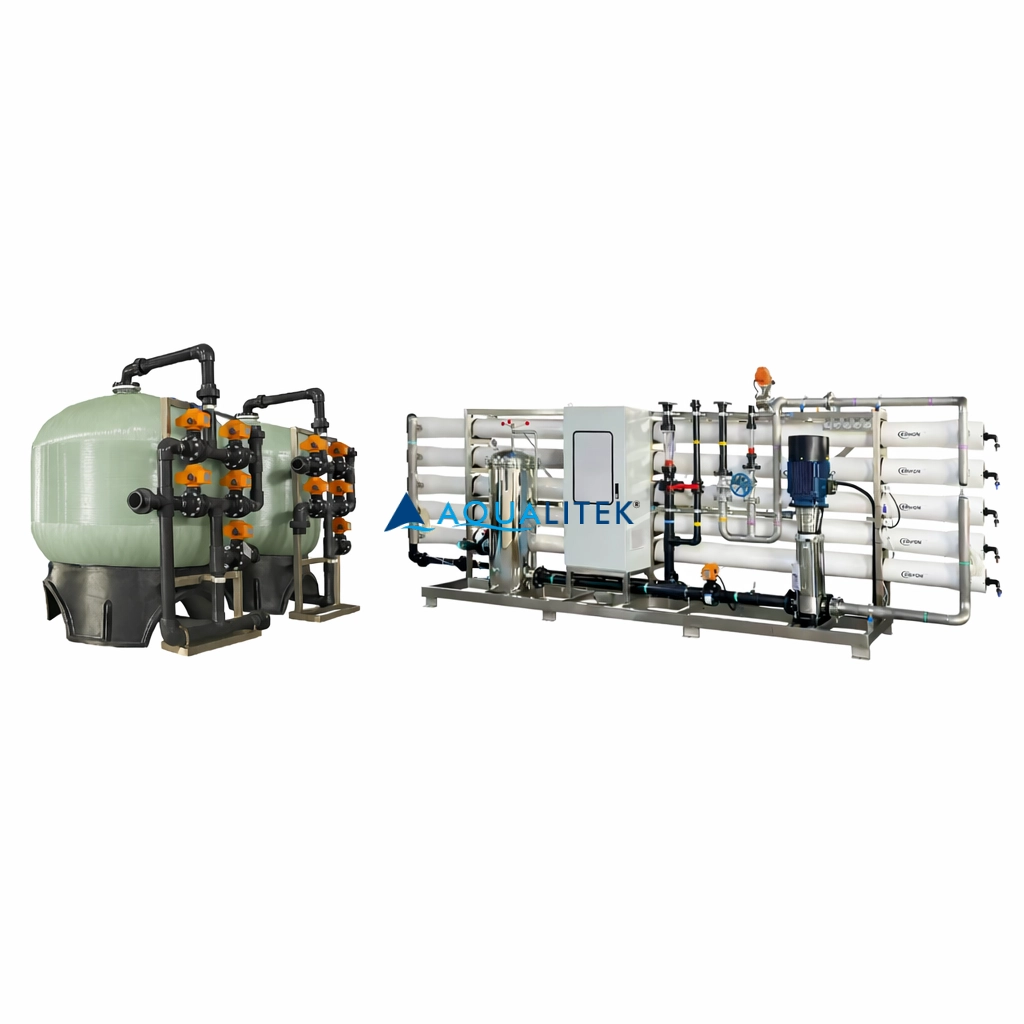
30TPH Industrial Reverse Osmosis (RO) System
30TPH Industrial Reverse Osmosis (RO) System designed for industrial and municipal water treatment. High salt rejection, energy-efficient design, PLC control, and customizable configuration.
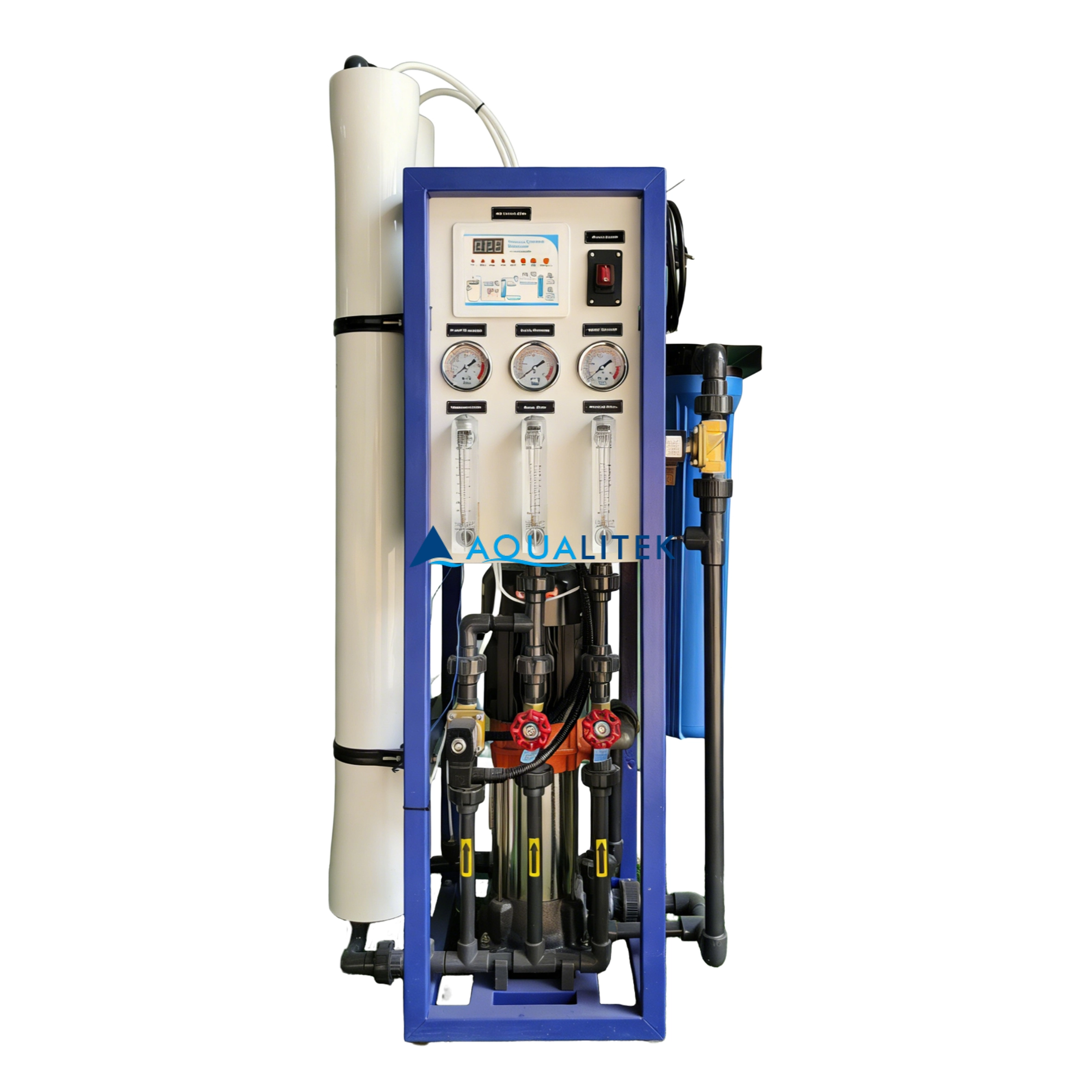
500LPH Panel Mounted Reverse Osmosis Water Purification System
AQUALITEK's 500LPH Panel Mounted Reverse Osmosis Water Purification System delivers reliable 500 LPH RO water production. This compact industrial reverse osmosis unit is ideal for small scale industrial RO needs, ensuring efficient and high-quality purified water in a space-saving design.
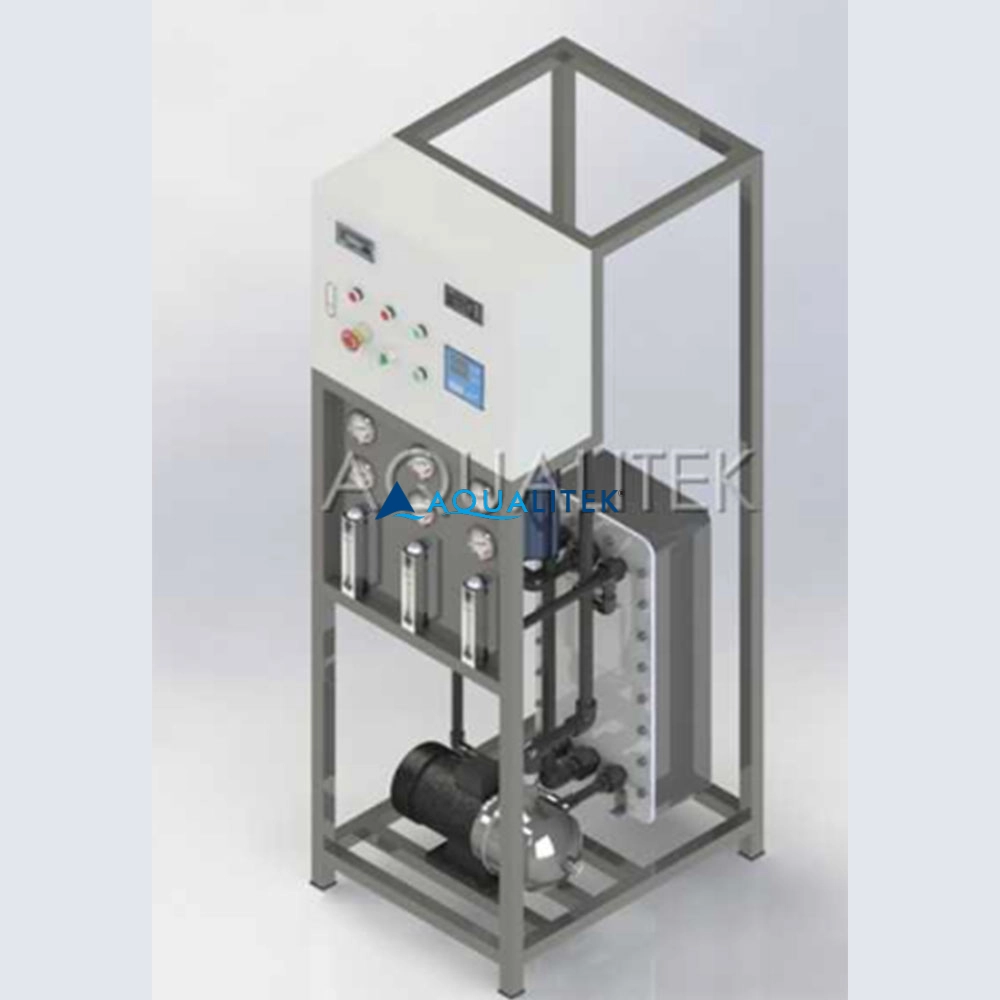
Electrodeionization Systems to Get UltraPure Water
Electrodeionization (EDI) system is an advanced water purification technology that combines ion exchange and electrochemical processes to produce ultra-pure water. Unlike traditional deionization methods, which rely on chemical regeneration, EDI utilizes electric fields to drive the movement of ions through ion-exchange membranes, effectively removing dissolved salts and other ionic contaminants.
This process is continuous and does not require the use of chemicals for regeneration, making it an environmentally friendly and cost-effective solution for producing high-quality deionized water. EDI systems are widely used in applications requiring ultrapure water, such as in the pharmaceutical, semiconductor, power generation, and biotechnology industries, as well as for laboratory use.
By offering high-purity water without the need for chemical regeneration, EDI systems provide a sustainable, efficient, and reliable alternative to traditional deionization methods, making them an ideal choice for industries where water quality and process control are critical.
Request More Information
Contact us today for product catalogs, customization options, and a free quotation designed for your business needs.
Rest assured that your privacy is important to us, and all information provided will be handled with the utmost confidentiality.
© 2026 AQUALITEK. All rights reserved.
AQUALITEK- Aimee Hoo
AQUALITEK - Aimee Hoo