




Scaling and Expansion: Integrating a 30TPH Industrial RO System
- Site Assessment and Capacity Planning for Scale
- Understanding Feedwater and Quality Targets
- Capacity Planning and Modular Expansion Strategy
- Utility and Infrastructure Assessments
- System Design and Integration: 30TPH Industrial RO System
- Pretreatment: Protecting Membranes and Improving Yield
- Hydraulic and Mechanical Integration
- Control, Automation, and PLC Integration
- Operation, Energy Efficiency, and Maintenance
- Energy Optimization and Recovery
- Monitoring, Fouling Control, and Chemical Cleaning
- Spare Parts, O&M and Training
- Compliance, Risk Management and Expansion Roadmap
- Regulatory Compliance and Water Quality Standards
- Risk Assessment and Business Continuity
- Phased Expansion: From 30TPH to Higher Capacities
- Technical and Economic Considerations
- Key Performance Indicators to Track
- Economic Modeling and Lifecycle Costing
- Selecting the Right Vendor and Specifications
- Frequently Asked Questions (FAQ)
- What is the typical recovery rate for a 30TPH Industrial RO System?
- How often do membranes need replacement?
- Can a 30TPH RO system be automated for remote monitoring?
- What are the main risks when expanding from 30TPH to larger capacity?
- Are there environmental concerns with concentrate/brine disposal?

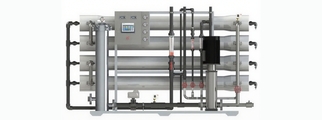
30TPH Industrial Reverse Osmosis (RO) System designed for industrial and municipal water treatment. High salt rejection, energy-efficient design, PLC control, and customizable configuration.
This article provides an actionable, location-aware summary for engineering teams, plant managers, and procurement specialists considering a commercial reverse osmosis system at scale — specifically integrating a 30TPH Industrial RO System into existing water treatment assets or greenfield sites across Asia, the Middle East, Europe, Africa, and North America. It highlights site assessment, pretreatment, hydraulic integration, energy optimization, control strategies, compliance references, and expansion pathways to reliably scale capacity while maintaining water quality and operational efficiency.
Site Assessment and Capacity Planning for Scale
Understanding Feedwater and Quality Targets
Before selecting or integrating a 30TPH Industrial Reverse Osmosis (RO) System, conduct detailed feedwater characterization: conductivity/total dissolved solids (TDS), hardness, silica, iron, manganese, organics (TOC), silt density index (SDI), temperature, and seasonal variability. These parameters determine pretreatment needs and membrane selection, and they directly affect salt rejection and membrane lifespan. Practical lab and pilot testing combined with historical raw water data reduce operational surprises during ramp-up.
Capacity Planning and Modular Expansion Strategy
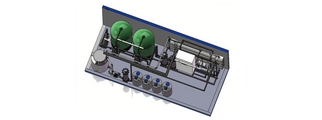
Design the plant footprint and balance-of-plant for immediate 30TPH demand and future expansion. A modular approach — e.g., multiple 10TPH skids or one 30TPH skid with parallel expansion ports — simplifies staged commissioning and minimizes capital risk. Modular commercial reverse osmosis system design allows capacity to increase incrementally while keeping control and energy systems unified.
Utility and Infrastructure Assessments
Evaluate electric supply (including harmonics and reliability), cooling water and blowdown handling, chemical storage, and discharge permits. A 30TPH industrial RO system's energy profile drives decisions about local transformers, backup power sizing, and possible integration of energy recovery devices (ERDs). Coordination with local grid operators and environmental authorities prevents delays during commissioning.
System Design and Integration: 30TPH Industrial RO System
Pretreatment: Protecting Membranes and Improving Yield
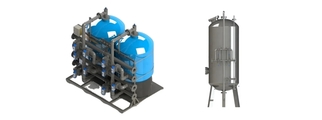
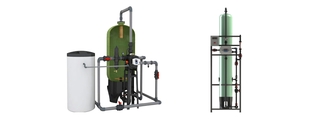
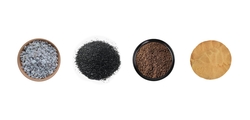
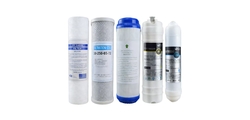
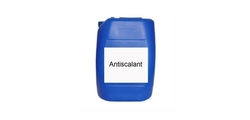
Pretreatment is arguably the most important factor for reliable long-term RO performance. Typical pretreatment for a commercial reverse osmosis system includes multimedia filtration, cartridge filters, antiscalant dosing, softening or ion exchange for high hardness, and chemical oxidant removal (e.g., activated carbon for chlorine removal to protect polyamide membranes). Correct pretreatment lowers fouling rates and enables higher recovery, improving lifecycle economics.
Hydraulic and Mechanical Integration
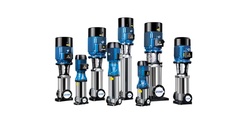
Integrate the RO skid hydraulically with feed pumps, high-pressure pumps, brine piping and concentrate throttling or energy recovery if applicable. The 30TPH Industrial RO System should include high-efficiency pumps sized for target recovery and a concentrate management plan (e.g., volume reduction, zero liquid discharge (ZLD) planning, or regulated discharge). Mechanical design must consider thermal expansion, vibration isolation, and ease of maintenance.
Control, Automation, and PLC Integration
Modern industrial RO plants benefit from a PLC-based automation layer with remote SCADA monitoring for alarms, trend analysis, and performance optimization. For scaling projects, ensure standardized PLC tag libraries and network architecture so additional skids or membranes integrate seamlessly. Automation should include staged start/stop, chemical dosing control, membrane flux monitoring, and predictive maintenance alerts.
Operation, Energy Efficiency, and Maintenance
Energy Optimization and Recovery
Energy is a major operating cost in any commercial reverse osmosis system. For high-brine applications, energy recovery devices (ERDs) such as isobaric pressure exchangers can recover 30–60% of the hydraulic energy in the concentrate, significantly lowering power use. Analyze lifecycle costs: a slightly higher CAPEX for ERD equipment often pays off rapidly in 30TPH systems. For guidance on desalination energy performance and innovations, see the International Desalination Association.
Monitoring, Fouling Control, and Chemical Cleaning
Implement a monitoring program that tracks normalized permeate flow, differential pressure across membranes, salt passage (conductivity), and SDI trends. Membrane fouling mitigation includes optimized antiscalant dosing, periodic forward flushing, pH adjustments, and scheduled chemical clean-in-place (CIP). Use performance trends to move from reactive cleaning to a condition-based CIP strategy, reducing downtime and chemical consumption.
Spare Parts, O&M and Training
Maintain a critical spare parts inventory (membranes, high-pressure seals, valves, sensors) and create clear O&M procedures. Training local operators on routine checks, membrane handling, and emergency response builds operational resilience—an important E-E-A-T factor. Consider remote expert support and digital twins to accelerate troubleshooting during expansion phases.
Compliance, Risk Management and Expansion Roadmap
Regulatory Compliance and Water Quality Standards
Ensure the produced water meets applicable regulations or client specifications. For potable reuse or municipal supply, consult the WHO drinking-water guidelines. For industrial process water, reference industry-specific standards and local discharge permits. Quality validation and documentation support audits and long-term acceptance by regulators.
Risk Assessment and Business Continuity
Perform a formal HAZOP/PHA and business continuity planning that addresses single points of failure (e.g., high-pressure pump or PLC controller). Design redundancy for critical elements, and plan for alternative water sources or temporary mobile RO units to maintain supply during expansion or maintenance.
Phased Expansion: From 30TPH to Higher Capacities
A practical expansion path could be: parallel 30TPH trains, adding booster and recovery sections, or increasing membrane count/pressure within design limits. Use a decision matrix considering CAPEX, OPEX, site constraints and regulatory limits. The following table provides a concise comparison for common scaling options:
| Option | Pros | Cons | Typical Use Case |
|---|---|---|---|
| Parallel 30TPH Train | Fast capacity increase; minimal redesign | Higher footprint and duplicate peripherals | Sites with available space and modular growth plans |
| Scale up Skid (add membrane stages) | Less footprint; potential CAPEX savings | Limited by existing hydraulics and equipment ratings | When plant has spare hydraulic margin |
| Upgrade Pumps/ERD and Optimize Recovery | Improves yield and lowers energy per m3 | Requires careful water chemistry control | High brine cost environments or energy-conscious projects |
Technical and Economic Considerations
Key Performance Indicators to Track
Track specific energy consumption (kWh/m3), permeate recovery (%), salt rejection (%), CIP frequency, and net present cost per m3. These KPIs justify operational decisions and show when expansion or retrofits are economically sensible. For benchmarking and best practices in water utilities and treatment, the US EPA and professional bodies like the American Water Works Association (AWWA) are useful references.
Economic Modeling and Lifecycle Costing
Include CAPEX, energy, chemicals, membrane replacement, labor, and disposal fees in whole-life costing. Sensitivity analysis helps reveal whether a modular 30TPH approach or a larger single-step plant gives better ROI under varying water demand scenarios. Consider carbon cost or emissions when evaluating energy options; electrification and renewables can change long-term economics.
Selecting the Right Vendor and Specifications
Choose suppliers with proven track records in commercial reverse osmosis system delivery and lifecycle support. Look for documented compliance with quality standards (ISO 9001) and references from similar projects. Require clear guarantees on permeate quality, salt rejection, and energy consumption in the contract.
Frequently Asked Questions (FAQ)
What is the typical recovery rate for a 30TPH Industrial RO System?
Recovery typically ranges from 50% to 85% depending on feedwater salinity, pretreatment quality, and membrane type. Industrial systems treating brackish water often achieve 60–80%, while higher salinity feeds or tighter discharge limits may reduce recovery.
How often do membranes need replacement?
Membrane life varies with feedwater quality and operating conditions. Under good pretreatment and proper operation, membranes often last 3–7 years. Monitoring fouling indicators and using condition-based CIP extends life and reduces total cost of ownership.
Can a 30TPH RO system be automated for remote monitoring?
Yes. Modern 30TPH industrial RO systems incorporate PLC and SCADA integration for remote monitoring, alarms, data logging, and performance analytics. Remote diagnostics and cloud-based historical trend analysis help maintain uptime and optimize O&M.
What are the main risks when expanding from 30TPH to larger capacity?
Primary risks include insufficient utility capacity (electricity, water intake), inadequate pretreatment leading to increased fouling, regulatory constraints on discharge, and underestimating OPEX increases. A phased approach and risk-based planning mitigate these issues.
Are there environmental concerns with concentrate/brine disposal?
Yes. Concentrate disposal must meet local environmental regulations. Options include deep-well injection (where permitted), controlled surface discharge after dilution, evaporation ponds, or further treatment (e.g., ZLD). Engage local regulators early to define acceptable solutions.
Want to evaluate a 30TPH Industrial Reverse Osmosis (RO) System for your site? Contact our sales and engineering team to get a site assessment, pilot testing, and a tailored proposal: View product & request quote.
References: WHO drinking-water guidance (WHO), US EPA resources (EPA), International Desalination Association (IDA), and general background on reverse osmosis (Wikipedia).
Ultrafiltration Water Treatment: Procurement Checklist for B2B Buyers
Energy and Chemical Savings with High-Throughput UF Devices
Top 10 Ultra filtration water system Manufacturers and Supplier Brands
How to Maintain and Clean Your Water Softener System
Solutions
Are AQT’s water treatment products certified?
Yes! Our products comply with international quality and safety standards, including ISO, CE, and NSF certifications. We prioritize high-quality materials, advanced technology, and strict quality control to ensure superior performance and reliability.
Ion Exchange Water Treatment Systems
Which chemicals are required for regeneration?
Softening uses NaCl. Demineralization uses HCl or H₂SO₄ for cation resin and NaOH for anion resin.
Water Filters
Can I automate the filter cleaning process?
Absolutely. Our automatic backwash filters come with timer-based or differential pressure-triggered controls.
Membrane Water Treatment Systems
What’s the difference between UF and RO?
UF (Ultrafiltration) removes suspended solids, bacteria, and larger molecules. RO (Reverse Osmosis) removes dissolved salts and minerals. They’re often used together for complete treatment.
FAQ-aqualitek
Are AQT’s water treatment products certified?
Yes! Our products comply with international quality and safety standards, including ISO, CE, and NSF certifications. We prioritize high-quality materials, advanced technology, and strict quality control to ensure superior performance and reliability.
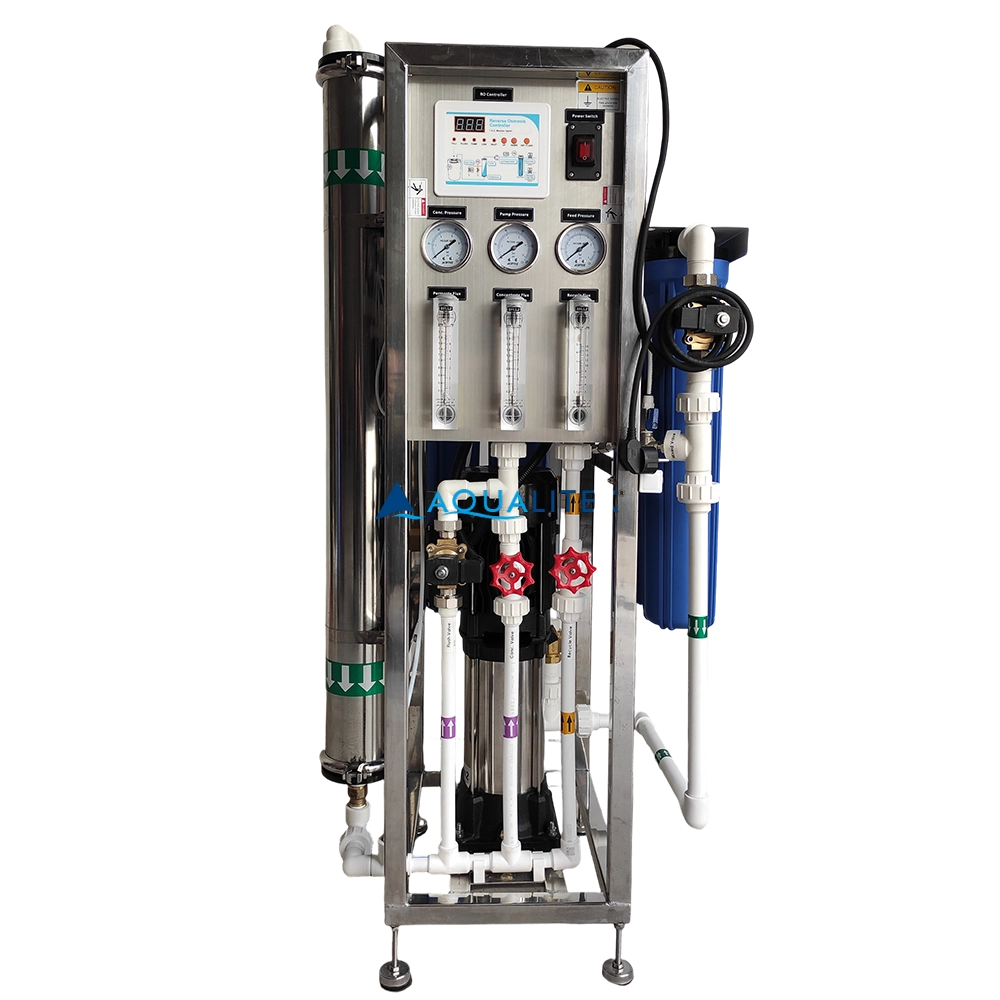
500 LPH Reverse Osmosis (RO) Water Purification Machine TWV - 412
Our 500 LPH Reverse Osmosis (RO) System is engineered to provide high-quality purified water for commercial applications. Designed with advanced RO technology, durable components, and a user-friendly interface, this system ensures consistent performance, low maintenance, and long-term reliability.
With its compact design and robust skid-mounted frame, it’s an excellent choice for businesses that demand efficiency and quality in water purification.
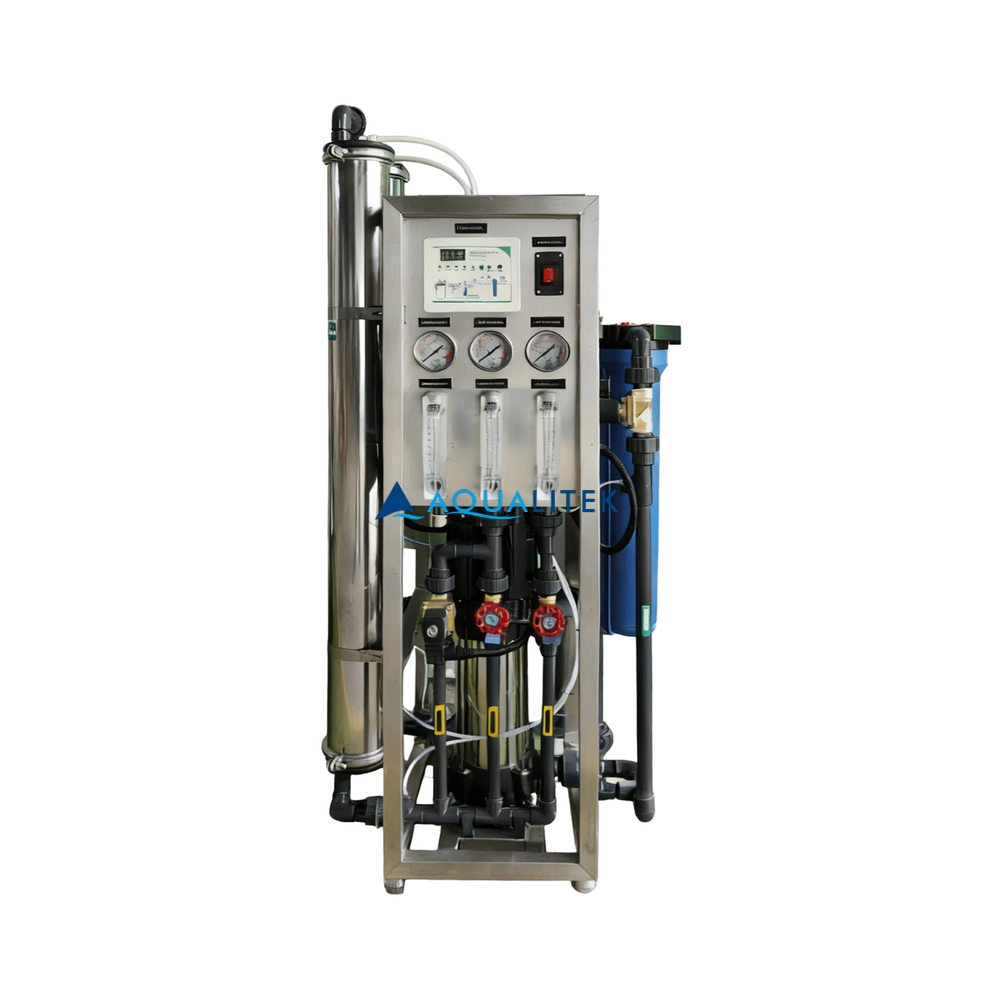
Tap Water Reverse Osmosis (TWRO) Systems TWV Series
TWV series Reverse Osmosis (RO) systems are pre-engineered and pre-assembled units with 2.5”/4” membrane housings(single element type)for tap water(lower TDS).They are designed for overall superior performance, high recovery rates and offer great savings with low maintenance and operation costs.
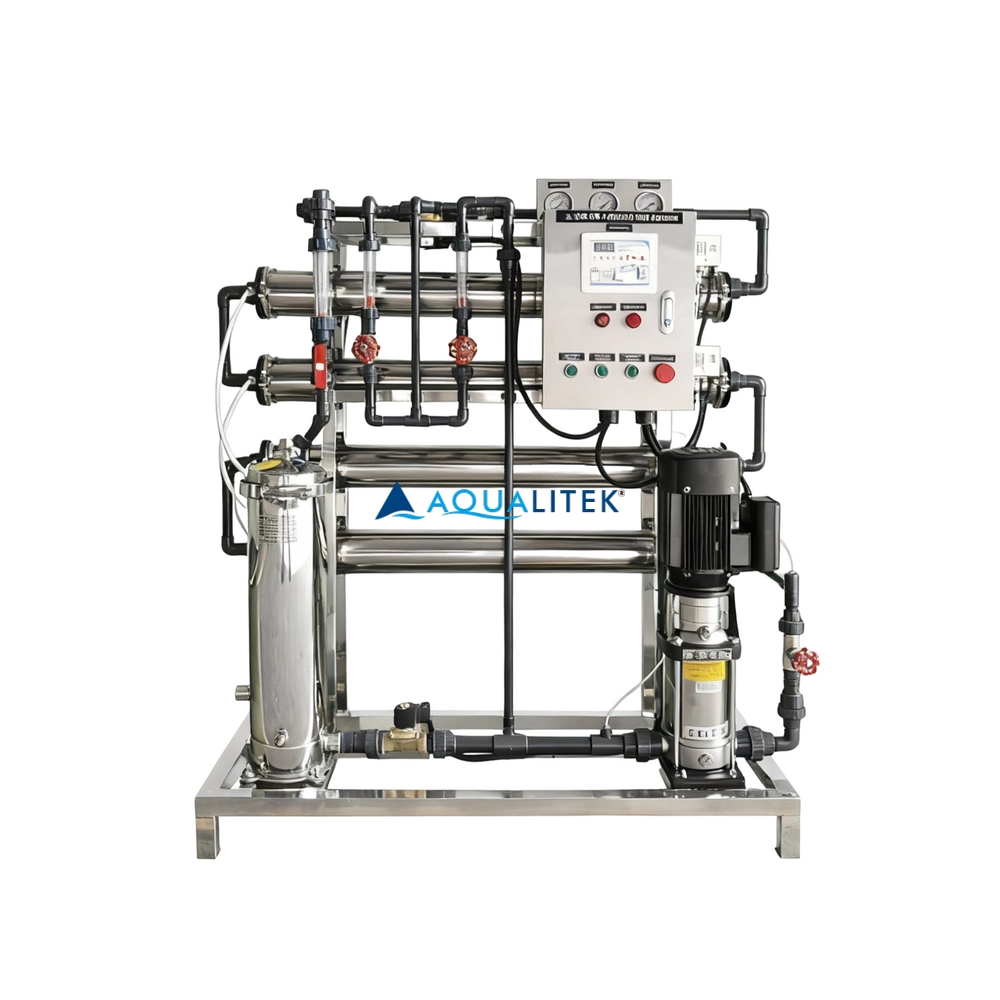
Tap Water Reverse Osmosis (TWRO) Systems TWF Series
TWF series Reverse Osmosis (RO) systems are pre-engineered and pre-assembled units with 4” membrane housings(multiple elements type) for tap water(lower TDS) .The medium large volumes can help meet your a variety of commercial and industrial applications. They are designed for overall superior performance, high recovery rates and offer great savings with low maintenance and operation costs.

Tap Water Reverse Osmosis (TWRO) Systems TWE Series
TWE series Reverse Osmosis (RO) systems are pre-engineered and pre-assembled units with 8” membrane housings for tap water (lower TDS). The large volumes can help meet your a variety of industrial applications. They are designed for overall superior performance, high recovery rates and offer great savings with low maintenance and operation costs.
Request More Information
Contact us today for product catalogs, customization options, and a free quotation designed for your business needs.
Rest assured that your privacy is important to us, and all information provided will be handled with the utmost confidentiality.
© 2026 AQUALITEK. All rights reserved.
AQUALITEK- Aimee Hoo
AQUALITEK - Aimee Hoo