




What are the differences between brackish and seawater RO?
Reverse osmosis (RO) systems are pivotal in water treatment, offering efficient solutions for producing high-quality water from various sources. Understanding the distinctions between brackish and seawater RO systems is crucial for professionals in the water treatment industry.
1. What is Reverse Osmosis (RO) and How Does It Work?
Reverse osmosis is a water purification process that uses a semipermeable membrane to remove ions, molecules, and larger particles from drinking water. By applying pressure to the water, contaminants are filtered out, resulting in purified water.
2. What Are the Differences Between Brackish and Seawater RO Systems?
Brackish and seawater RO systems are designed to handle different salinity levels:
Brackish Water RO (BWRO): Targets water with total dissolved solids (TDS) ranging from 1,000 to 10,000 mg/L. Operates at pressures between 15 to 25 bar (220 to 360 psi), resulting in lower energy consumption of approximately 0.5 to 2.5 kWh/m³.
Seawater RO (SWRO): Designed for seawater with TDS levels of 35,000 mg/L or higher. Requires higher pressures of 55 to 80 bar (800 to 1,160 psi) and consumes more energy, approximately 3 to 5 kWh/m³.
These differences influence system design, operational costs, and efficiency.
3. What Are the Key Components of an RO System?
An RO system typically includes:
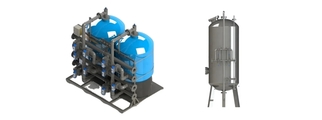
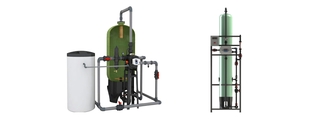
Pre-Treatment Units: Remove larger particles and chemicals to protect the membranes.
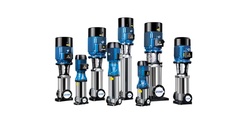
High-Pressure Pumps: Provide the necessary pressure for the RO process.
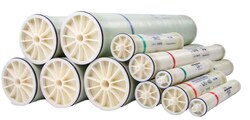
Membrane Modules: The core component where filtration occurs.
Post-Treatment Units: Ensure the purified water meets quality standards.
Understanding these components is essential for system maintenance and troubleshooting.
4. How Do Brackish and Seawater RO Systems Differ in Design and Operation?
The primary differences include:
Pressure Requirements: SWRO systems require higher pressures due to the higher salinity of seawater.
Energy Consumption: SWRO systems consume more energy because of the increased pressure and salinity.
Membrane Selection: SWRO membranes are designed to withstand higher pressures and fouling from seawater contaminants.
These factors affect the overall efficiency and operational costs of the systems.
5. What Are the Maintenance Considerations for RO Systems?
Regular maintenance is crucial for optimal performance:
Cleaning: Periodic cleaning of membranes to remove fouling.
Monitoring: Regular checks of pressure, flow rates, and water quality.
Component Replacement: Timely replacement of membranes and other components to prevent system failure.
Implementing a proactive maintenance schedule can extend the lifespan of the system and ensure consistent water quality.
6. How Do Brackish and Seawater RO Systems Differ in Pretreatment Requirements?
Pretreatment is essential to protect RO membranes:
Brackish Water: Typically requires less intensive pretreatment due to lower fouling potential.
Seawater: Requires more robust pretreatment to address higher fouling potential from suspended solids, organic matter, and biofouling.
Proper pretreatment ensures the longevity and efficiency of the RO system.
7. What Are the Environmental Considerations in RO Systems?
RO systems produce brine as a byproduct, which must be managed responsibly to minimize environmental impact. Disposal methods include deep-well injection, evaporation ponds, and dilution with seawater. The choice of method depends on local regulations and environmental considerations.
8. How Do Brackish and Seawater RO Systems Differ in Cost and Scalability?
SWRO systems are generally more expensive due to higher energy requirements and more complex components. However, advancements in technology are making SWRO more cost-effective. Both systems are scalable, but the choice depends on water source availability, quality, and specific application needs.
Conclusion
Understanding the distinctions between brackish and seawater RO systems is vital for water treatment professionals. This knowledge aids in selecting the appropriate system based on water source characteristics, operational requirements, and environmental considerations.
AQUALITEK's Advantages
AQUALITEK offers advanced RO systems tailored to diverse water treatment needs. With a focus on energy efficiency, durability, and cost-effectiveness, AQUALITEK ensures high-quality water production while minimizing operational expenses. Their systems are designed for easy maintenance and scalability, making them a reliable choice for various applications.
For a more in-depth understanding of reverse osmosis systems, you might find the following video helpful:
(https://www.youtube.com/watch?v=1JofXx6DX6U&utm_source=openai)




Request More Information or Expert Advice
Share a few details, and we’ll provide deeper insights, tailored suggestions, or product support.
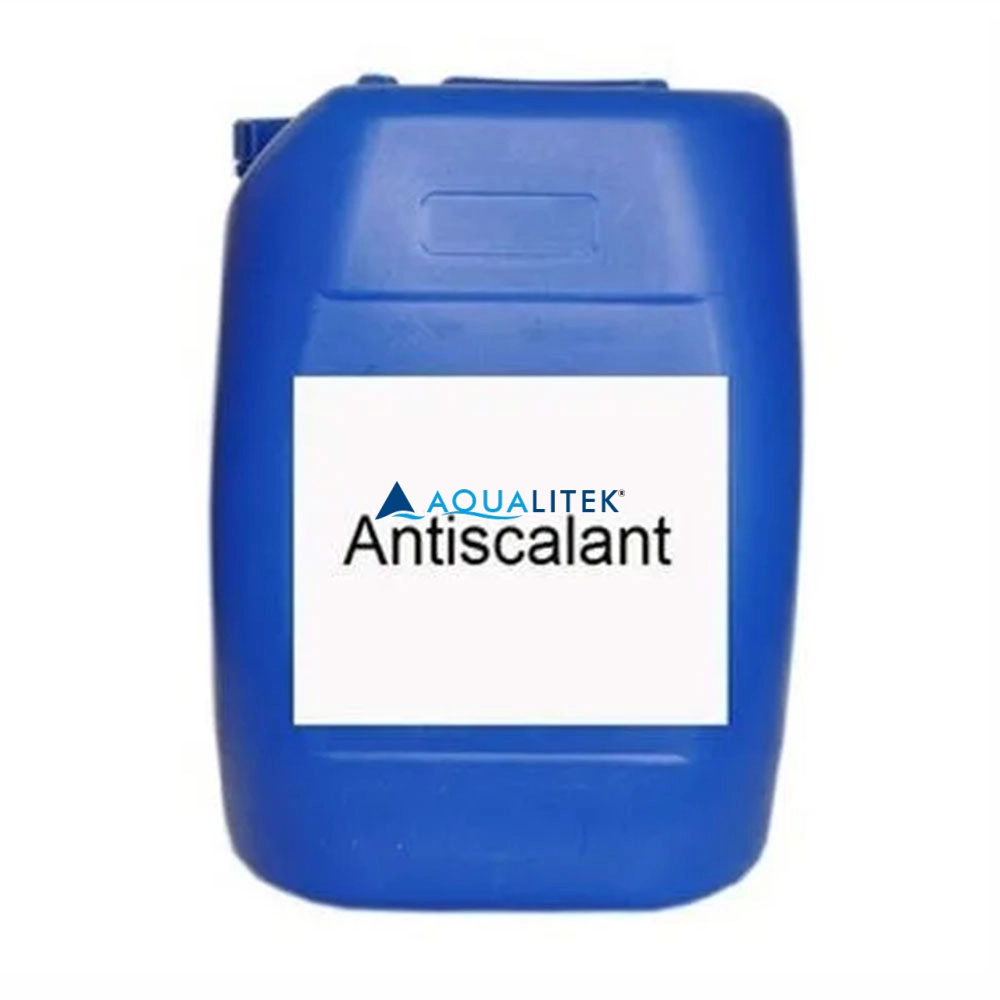
Anti-Scalant is a specialized water treatment chemical designed to prevent the formation of scale in reverse osmosis (RO) systems. Scaling is a common issue in RO systems, where minerals like calcium, magnesium, and silica precipitate and form hard deposits on the membrane surface. These deposits can clog the membranes, reduce water production efficiency, and increase operational costs.
RO chemical anti-scalants work by inhibiting the crystallization of scale-forming minerals, effectively keeping them in solution and preventing them from adhering to the membrane. This ensures the longevity and optimal performance of the RO system.
Anti-scalants are essential in applications with hard water or high mineral content, such as in industrial, municipal, and desalination plants.
These chemicals are highly effective in preventing scaling caused by common minerals such as calcium carbonate, calcium sulfate, barium sulfate, and silica, helping to extend the lifespan of the membranes, reduce cleaning cycles, and enhance system efficiency.
By incorporating an RO chemical anti-scalant into your water treatment process, you can improve the reliability and overall performance of your reverse osmosis system, ensuring consistent, high-quality water output while minimizing maintenance costs.
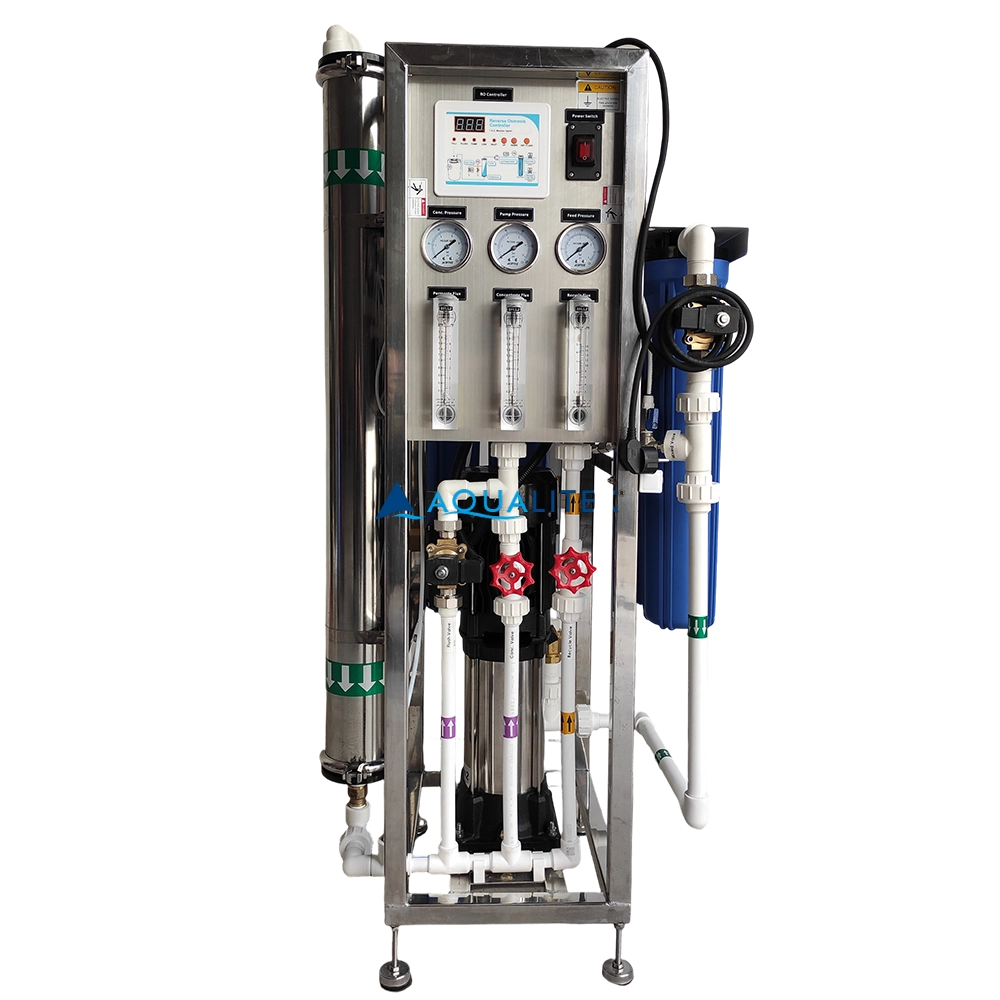
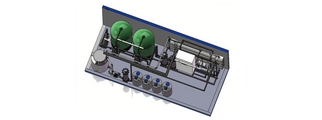
Our 500 LPH Reverse Osmosis (RO) System is engineered to provide high-quality purified water for commercial applications. Designed with advanced RO technology, durable components, and a user-friendly interface, this system ensures consistent performance, low maintenance, and long-term reliability.
With its compact design and robust skid-mounted frame, it’s an excellent choice for businesses that demand efficiency and quality in water purification.
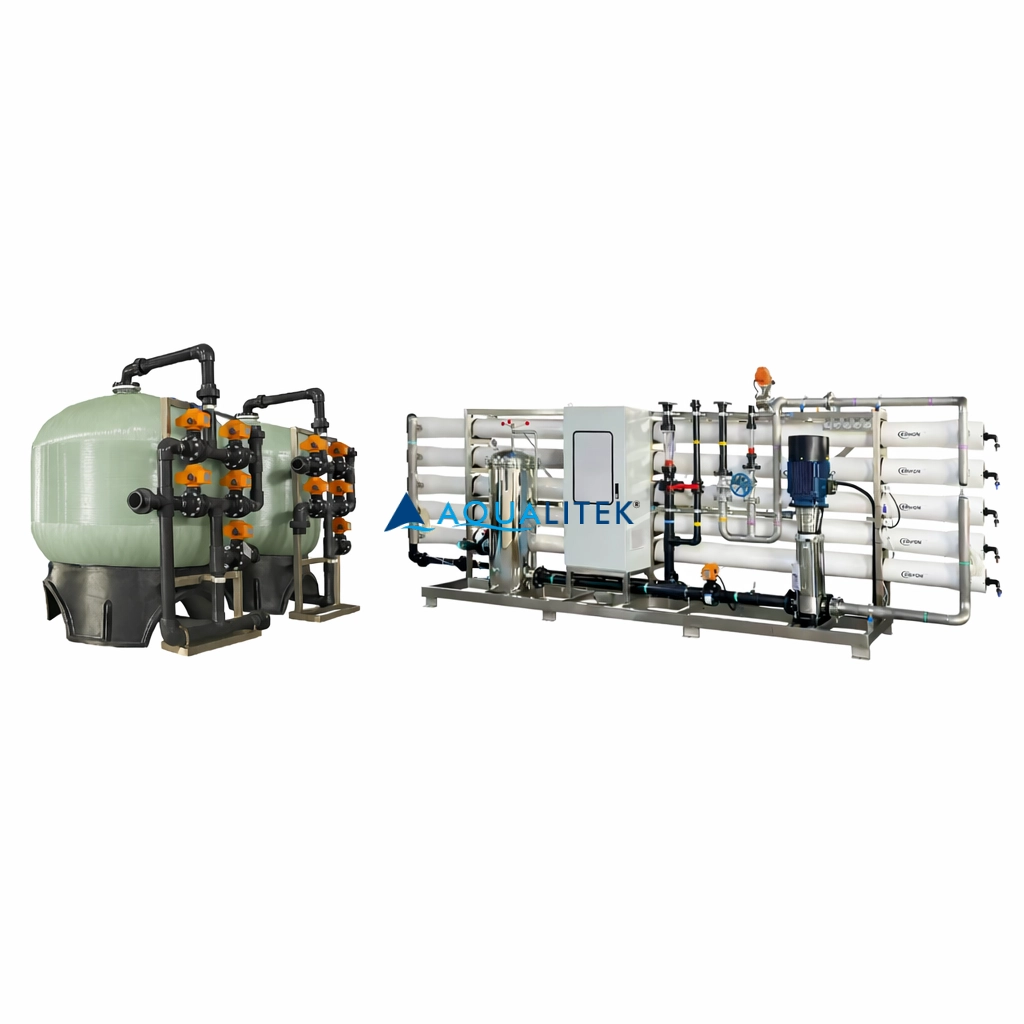
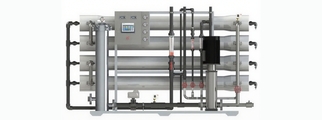
30TPH Industrial Reverse Osmosis (RO) System designed for industrial and municipal water treatment. High salt rejection, energy-efficient design, PLC control, and customizable configuration.
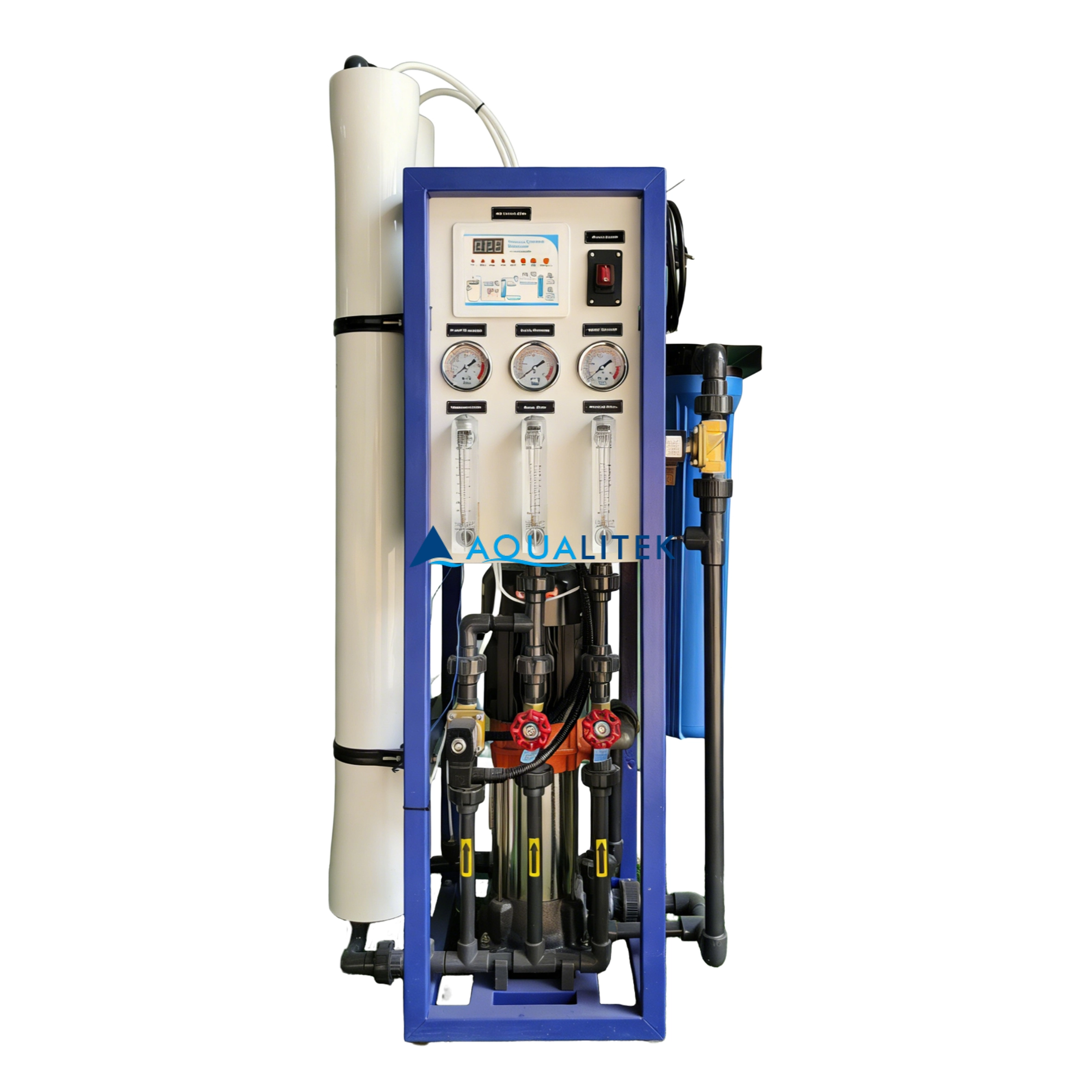
AQUALITEK's 500LPH Panel Mounted Reverse Osmosis Water Purification System delivers reliable 500 LPH RO water production. This compact industrial reverse osmosis unit is ideal for small scale industrial RO needs, ensuring efficient and high-quality purified water in a space-saving design.
© 2026 AQUALITEK. All rights reserved.
AQUALITEK- Aimee Hoo
AQUALITEK - Aimee Hoo