




Why Is Energy Recovery Equipment Crucial in RO Desalination?| Insights by AQUALITEK
Why is energy recovery equipment essential in seawater reverse osmosis (SWRO) desalination plants? This guide explains working principles, mainstream technologies, efficiency comparison, and system design considerations.
- Introduction – Why Energy Recovery Determines the Economic Viability of SWRO
- 1. What Is Energy Recovery in Seawater RO?
- 2. How Much Energy Can Be Recovered?
- 3. Mainstream Energy Recovery Technologies in SWRO
- 3.1 Turbocharger (Hydraulic Turbine Booster)
- 3.2 Pelton Wheel Turbine
- 3.3 Isobaric Pressure Exchanger (PX / DWEER) – Current Mainstream
- 4. Why Is Isobaric Technology Superior?
- 5. Energy Consumption Comparison With and Without ERD
- 6. Engineering Benefits Beyond Energy Savings
- 7. Typical ERD Integration Layout in SWRO Systems
- 8. Key Design Considerations When Selecting ERD
- 9. Economic Return Analysis
- Conclusion
Introduction – Why Energy Recovery Determines the Economic Viability of SWRO
Seawater reverse osmosis (SWRO) systems operate under extremely high pressure (55–70 bar), which directly results in very high energy consumption.
In early desalination plants without energy recovery:
•Energy consumption: 6–8 kWh/m³
•Operating costs: extremely high
•Limited large-scale adoption
With modern energy recovery devices (ERD):
•Energy consumption reduced to 2.8–3.5 kWh/m³
•Energy savings exceed 40–60%
This makes energy recovery equipment the single most important energy-saving component in modern SWRO systems.
1. What Is Energy Recovery in Seawater RO?
In a typical SWRO system:
•About 50–60% of feedwater becomes high-pressure concentrate (brine)
•This concentrate still retains almost the same pressure as feed pressure
If directly discharged, this energy is completely wasted.
Energy recovery devices capture and reuse this high-pressure energy to:
•Pre-pressurize incoming seawater
•Reduce high-pressure pump workload
•Significantly lower power consumption
2. How Much Energy Can Be Recovered?
Modern energy recovery devices can achieve:
|
Technology |
Energy Recovery Efficiency |
|
Turbocharger (Pelton turbine) |
70–80% |
|
Hydraulic turbine |
80–85% |
|
Isobaric chamber (PX, DWEER) |
95–98% |
Best systems can theoretically recover up to 98% of brine pressure energy, reducing net system energy consumption to:
As low as 2.5–3.0 kWh/m³
3. Mainstream Energy Recovery Technologies in SWRO
3.1 Turbocharger (Hydraulic Turbine Booster)
Working principle:
•High-pressure brine drives a turbine
•Turbine shaft boosts feed pump
Features:
•Simple mechanical structure
•Moderate efficiency
•Lower cost
Typical efficiency: 70–80%
Best suited for: small and medium-sized plants
3.2 Pelton Wheel Turbine
Working principle:
•High-pressure concentrate impacts turbine blades
•Mechanical energy recovered
Features:
•Mature technology
•Stable operation
•Moderate energy recovery
Typical efficiency: 80–85%
3.3 Isobaric Pressure Exchanger (PX / DWEER) – Current Mainstream
Working principle:
•Direct pressure transfer from brine to incoming seawater
•No intermediate energy conversion
Typical efficiency: 95–98%
Advantages:
•Highest energy recovery
•Lowest system power consumption
•Compact footprint
•Extremely stable operation
Main brands: Energy Recovery Inc. (PX), Flowserve (DWEER), FEDCO, Danfoss
This is the current industry gold standard.
4. Why Is Isobaric Technology Superior?
Traditional turbine-based systems involve:
Pressure → Mechanical → Pressure
Each conversion causes energy loss.
Isobaric devices achieve:
Pressure → Pressure (Direct Transfer)
This eliminates conversion losses, achieving near-theoretical maximum efficiency.
5. Energy Consumption Comparison With and Without ERD
|
System Configuration |
Energy Consumption |
|
No ERD |
6.0–8.0 kWh/m³ |
|
Turbine ERD |
4.0–5.0 kWh/m³ |
|
Isobaric ERD |
2.8–3.5 kWh/m³ |
6. Engineering Benefits Beyond Energy Savings
Energy recovery devices also:
•Reduce high-pressure pump size
•Lower mechanical stress
•Extend pump lifespan
•Improve system stability
•Reduce carbon emissions
Thus, ERDs improve:
Economics + Reliability + Sustainability
7. Typical ERD Integration Layout in SWRO Systems
Standard process:
1.High-pressure pump boosts partial feed flow
2.Brine transfers pressure to fresh feed via ERD
3.Booster pump compensates friction losses
4.Mixed flow enters RO membranes
This dramatically reduces main pump power requirement.
8. Key Design Considerations When Selecting ERD
•Recovery efficiency ≥ 95%
•Material corrosion resistance (super duplex / ceramics)
•Pressure rating ≥ 83 bar
•Easy maintenance
•Low lifecycle cost
9. Economic Return Analysis
Typical payback period for ERD:
|
Plant Size |
Payback Period |
|
Small (<1,000 m³/d) |
12–18 months |
|
Medium (1,000–10,000 m³/d) |
6–12 months |
|
Large (>50,000 m³/d) |
3–6 months |
Conclusion
Energy recovery equipment is the cornerstone of modern seawater desalination economics.
Among all available technologies:
Isobaric pressure exchangers (PX / DWEER) represent the mainstream and future direction.
Without efficient energy recovery:
•SWRO would remain economically unfeasible
•Large-scale desalination development would not exist
Energy recovery devices enable seawater desalination to become:
Affordable, scalable, and sustainable


Request More Information or Expert Advice
Share a few details, and we’ll provide deeper insights, tailored suggestions, or product support.
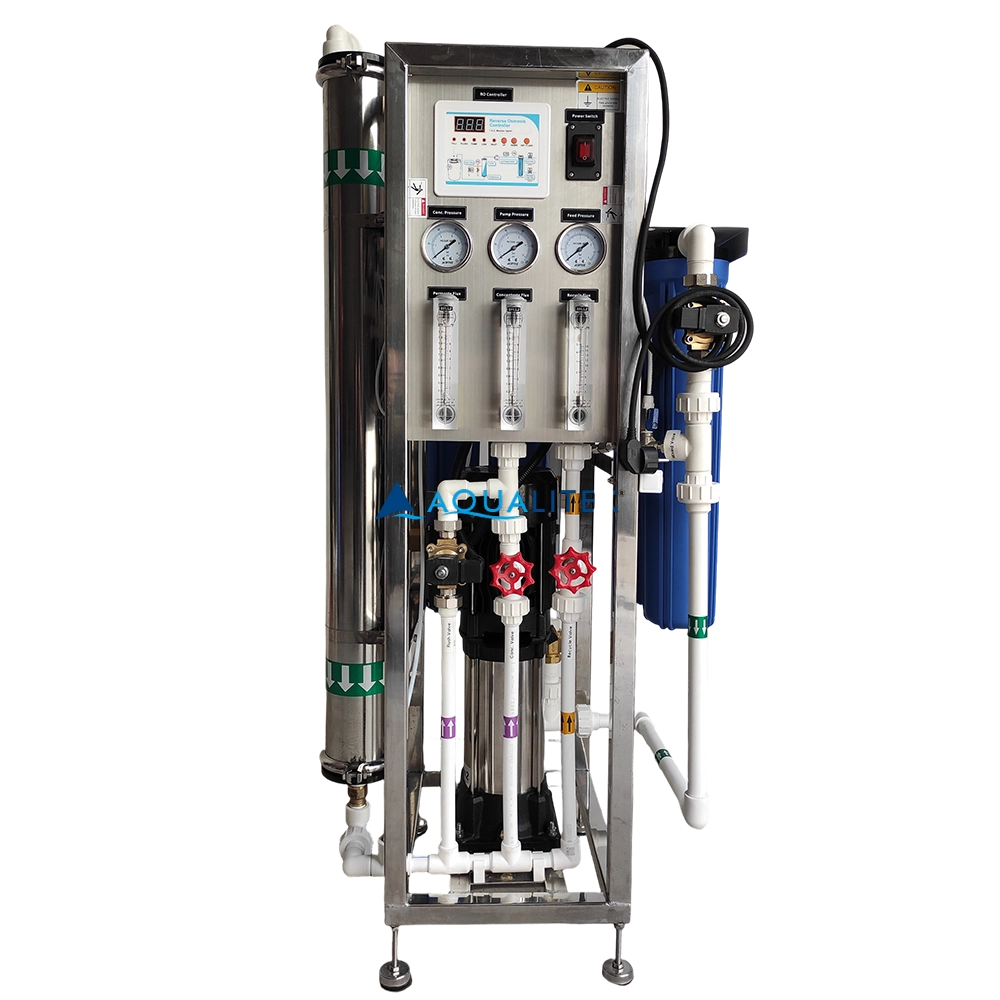
Our 500 LPH Reverse Osmosis (RO) System is engineered to provide high-quality purified water for commercial applications. Designed with advanced RO technology, durable components, and a user-friendly interface, this system ensures consistent performance, low maintenance, and long-term reliability.
With its compact design and robust skid-mounted frame, it’s an excellent choice for businesses that demand efficiency and quality in water purification.
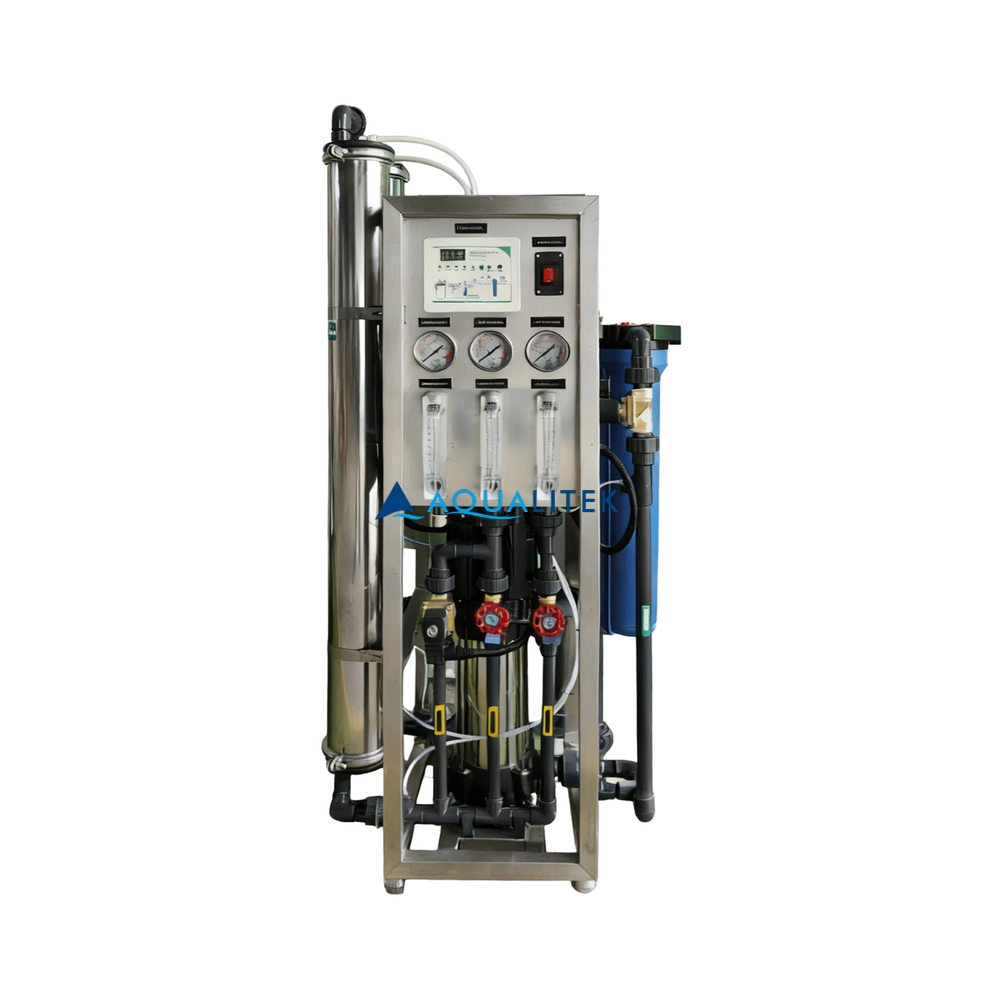
TWV series Reverse Osmosis (RO) systems are pre-engineered and pre-assembled units with 2.5”/4” membrane housings(single element type)for tap water(lower TDS).They are designed for overall superior performance, high recovery rates and offer great savings with low maintenance and operation costs.
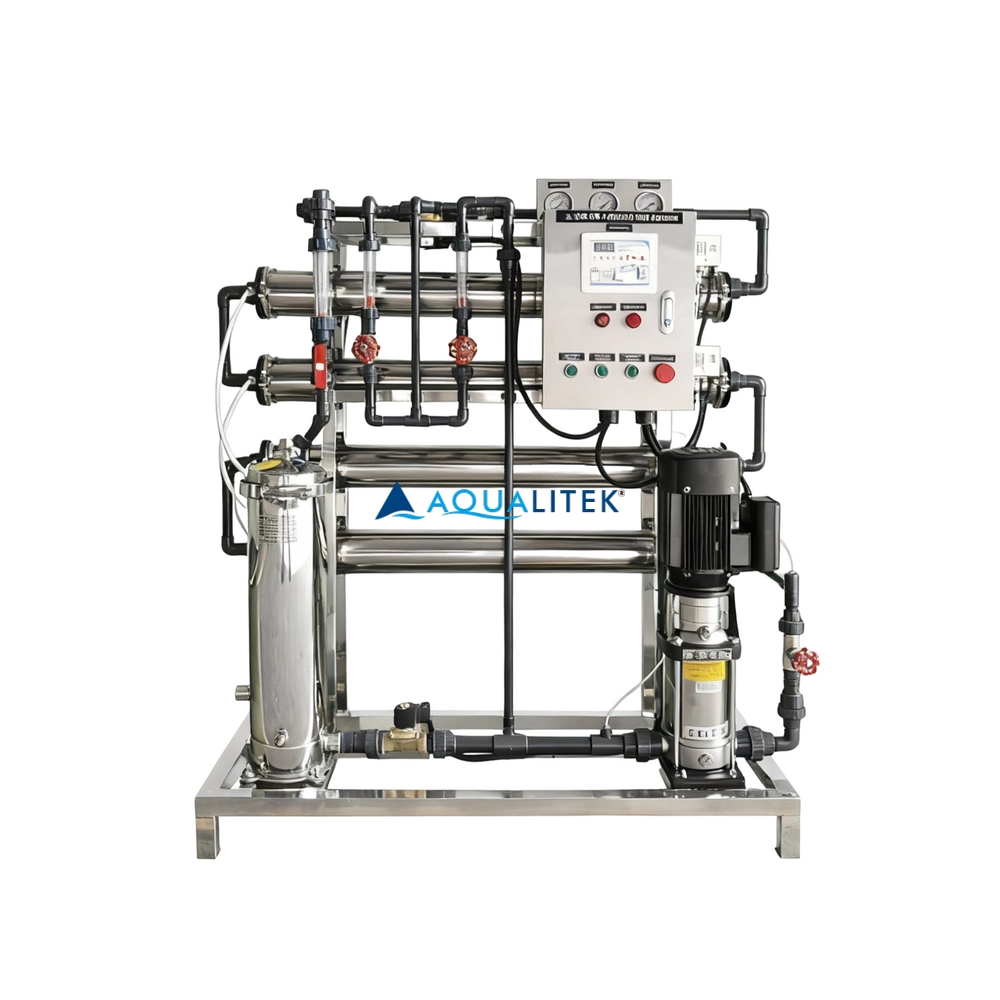
TWF series Reverse Osmosis (RO) systems are pre-engineered and pre-assembled units with 4” membrane housings(multiple elements type) for tap water(lower TDS) .The medium large volumes can help meet your a variety of commercial and industrial applications. They are designed for overall superior performance, high recovery rates and offer great savings with low maintenance and operation costs.

TWE series Reverse Osmosis (RO) systems are pre-engineered and pre-assembled units with 8” membrane housings for tap water (lower TDS). The large volumes can help meet your a variety of industrial applications. They are designed for overall superior performance, high recovery rates and offer great savings with low maintenance and operation costs.
© 2026 AQUALITEK. All rights reserved.
AQUALITEK- Aimee Hoo
AQUALITEK - Aimee Hoo