




How Does an Energy Recovery Device Save Power in Seawater RO Desalination Plants? | Best Guide to SWRO Energy Efficiency| Insights by AQUALITEK
Learn how energy recovery devices (ERDs) reduce energy consumption in seawater RO desalination plants. Discover their working principle, types, and key benefits for improving SWRO efficiency.
- Introduction
- Why Energy Consumption Is High in SWRO Systems
- What Is an Energy Recovery Device (ERD)?
- Basic Working Principle of Energy Recovery
- Main Types of Energy Recovery Devices
- 1. Pressure Exchanger (PX)
- 2. Turbochargers
- 3. Pelton Turbine Systems
- How Much Energy Can ERDs Save?
- Additional Benefits of Energy Recovery Devices
- 1. Lower Operating Costs
- 2. Reduced Carbon Emissions
- 3. Improved System Stability
- 4. Extended Equipment Lifespan
- Key Design Considerations for ERD Integration
- Conclusion
Introduction
Seawater reverse osmosis (SWRO) desalination is one of the most widely used technologies for producing fresh water from seawater. However, desalinating seawater requires very high operating pressure, typically between 55 and 70 bar, making energy consumption the largest operating cost of the system.
In modern desalination plants, Energy Recovery Devices (ERDs) are used to significantly reduce energy consumption. By capturing and reusing the hydraulic energy contained in high-pressure brine, ERDs can improve system efficiency and reduce operating costs dramatically.
Today, energy recovery technology is considered an essential component of large-scale seawater desalination plants.
This article explains how energy recovery devices work, why they are important, and how they help reduce power consumption in SWRO systems.
Why Energy Consumption Is High in SWRO Systems
The main reason seawater RO systems consume large amounts of energy is osmotic pressure.
Seawater typically contains around 35,000 mg/L of dissolved salts, which creates high osmotic pressure. To overcome this pressure and force water through RO membranes, the system must apply very high hydraulic pressure using high-pressure pumps.
Without energy recovery technology:
•Large amounts of energy would be wasted in the high-pressure brine discharge
•Overall desalination costs would increase significantly
In fact, before modern ERDs were introduced, desalination plants often consumed 8–10 kWh per cubic meter of water produced.
What Is an Energy Recovery Device (ERD)?
An Energy Recovery Device is a piece of equipment that captures hydraulic energy from the high-pressure concentrate stream and transfers it back to the incoming seawater feed.
Instead of releasing high-pressure brine directly to discharge, the ERD converts this pressure energy into useful work.
This process allows the system to:
•Reduce the load on high-pressure pumps
•Lower electricity consumption
•Improve overall system efficiency
Modern ERDs can recover up to 95–98% of the available pressure energy.
Basic Working Principle of Energy Recovery
The operation of an ERD is based on pressure exchange or hydraulic energy transfer.
In a typical SWRO system:
1.Seawater is pressurized by a high-pressure pump.
2.The RO membrane separates fresh water from saltwater.
3.The remaining brine exits the membrane at very high pressure.
Without ERD, this high-pressure brine would simply be discharged.
With ERD installed:
•The high-pressure brine transfers its pressure energy to incoming seawater.
•The feed water enters the membrane system already partially pressurized.
•The high-pressure pump only needs to provide the remaining pressure.
This significantly reduces pump energy consumption.
Main Types of Energy Recovery Devices
Several types of ERDs are used in seawater desalination plants.
1. Pressure Exchanger (PX)
Pressure exchangers are currently the most efficient and widely used ERDs.
Key characteristics:
•Isobaric pressure transfer
•Very high efficiency (up to 98%)
•Low maintenance
•Stable operation
PX devices transfer pressure directly between brine and incoming seawater.
2. Turbochargers
Turbochargers use a turbine driven by the high-pressure brine to assist the feed pump.
Advantages:
•Simple design
•Moderate efficiency
However, efficiency is generally lower than pressure exchanger systems.
3. Pelton Turbine Systems
Pelton turbines convert hydraulic energy into mechanical power, which drives a secondary pump.
While historically important, these systems are less common in modern large-scale plants due to lower efficiency compared to isobaric ERDs.
How Much Energy Can ERDs Save?
Energy recovery devices can reduce the specific energy consumption of SWRO plants dramatically.
Typical energy consumption comparison:
|
System Configuration |
Energy Consumption |
|
Early SWRO systems |
8–10 kWh/m³ |
|
SWRO without ERD |
6–8 kWh/m³ |
|
Modern SWRO with ERD |
2.5–3.5 kWh/m³ |
This means ERDs can reduce energy use by more than 50%.
Additional Benefits of Energy Recovery Devices
1. Lower Operating Costs
Electricity is the largest operating expense in desalination plants. Reducing energy consumption directly lowers operating costs.
2. Reduced Carbon Emissions
Lower power consumption also means reduced greenhouse gas emissions, making desalination more environmentally sustainable.
3. Improved System Stability
ERDs stabilize hydraulic conditions within the system, helping maintain consistent pressure and flow.
4. Extended Equipment Lifespan
Because high-pressure pumps operate under lower load, ERDs can help extend pump lifespan and reduce maintenance frequency.
Key Design Considerations for ERD Integration
To achieve optimal performance, ERDs must be properly integrated into the SWRO system design.
Important considerations include:
•Correct sizing based on plant capacity
•Proper matching with high-pressure pumps
•Efficient brine routing design
•Pressure balance control
Modern desalination plants often use advanced control systems to optimize ERD performance continuously.
Conclusion
Energy recovery devices play a critical role in improving the efficiency of seawater reverse osmosis desalination plants.
By capturing and reusing the hydraulic energy from high-pressure brine streams, ERDs can dramatically reduce energy consumption, operating costs, and environmental impact.
With efficiencies reaching 95–98%, modern ERDs have transformed SWRO into one of the most energy-efficient desalination technologies available today.
For any large-scale seawater desalination project, incorporating an energy recovery device is no longer optional—it is a fundamental design requirement for sustainable and cost-effective operation.


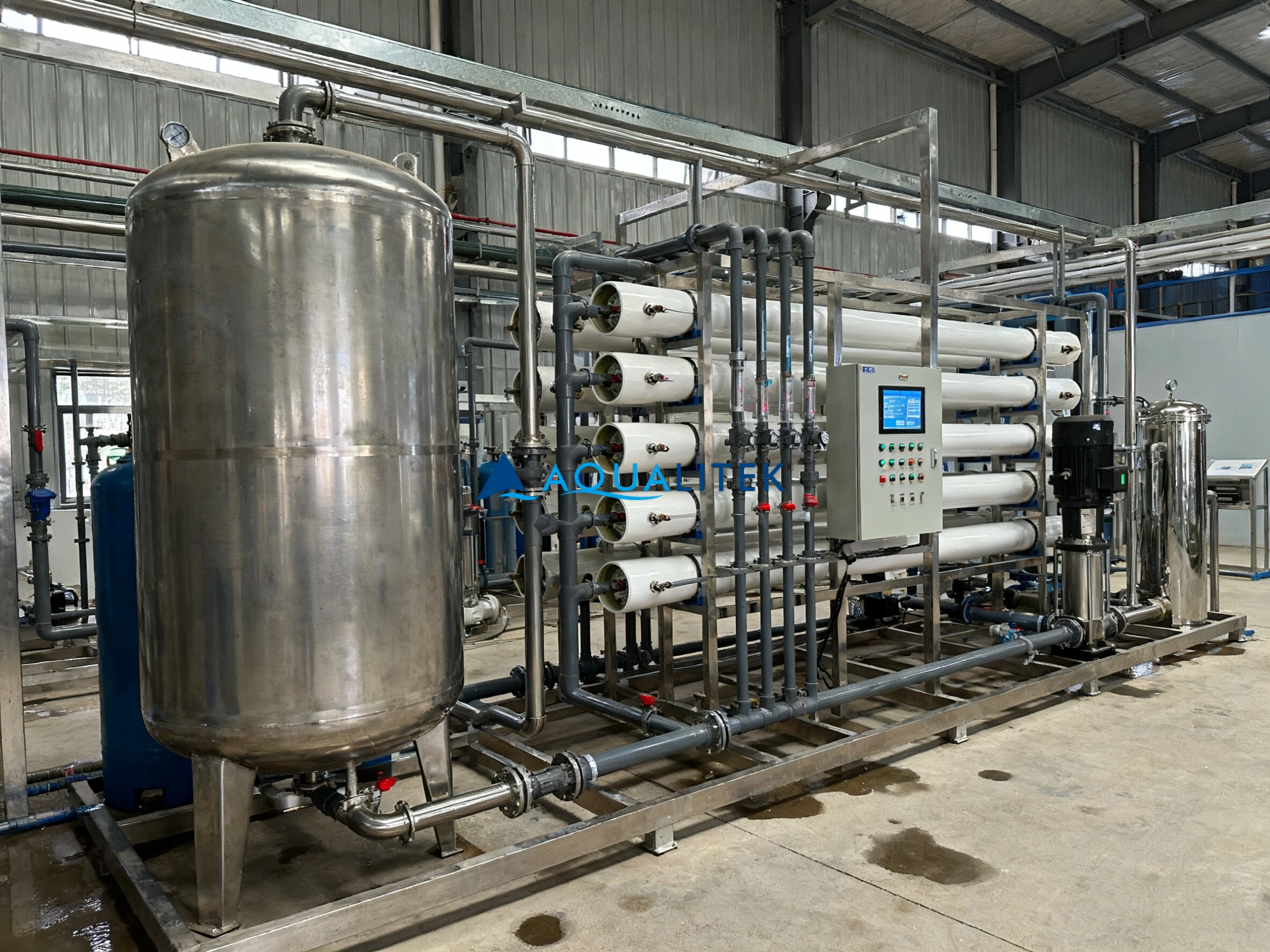

Request More Information or Expert Advice
Share a few details, and we’ll provide deeper insights, tailored suggestions, or product support.
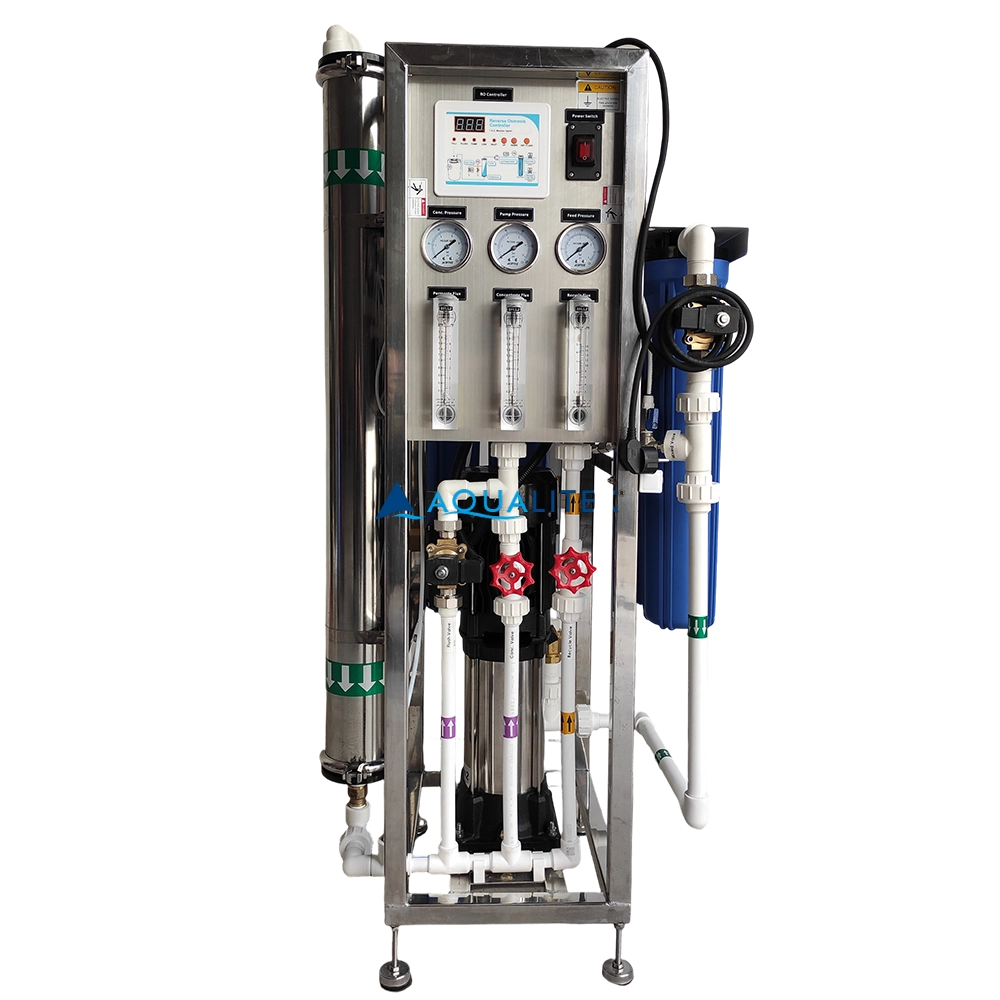
Our 500 LPH Reverse Osmosis (RO) System is engineered to provide high-quality purified water for commercial applications. Designed with advanced RO technology, durable components, and a user-friendly interface, this system ensures consistent performance, low maintenance, and long-term reliability.
With its compact design and robust skid-mounted frame, it’s an excellent choice for businesses that demand efficiency and quality in water purification.
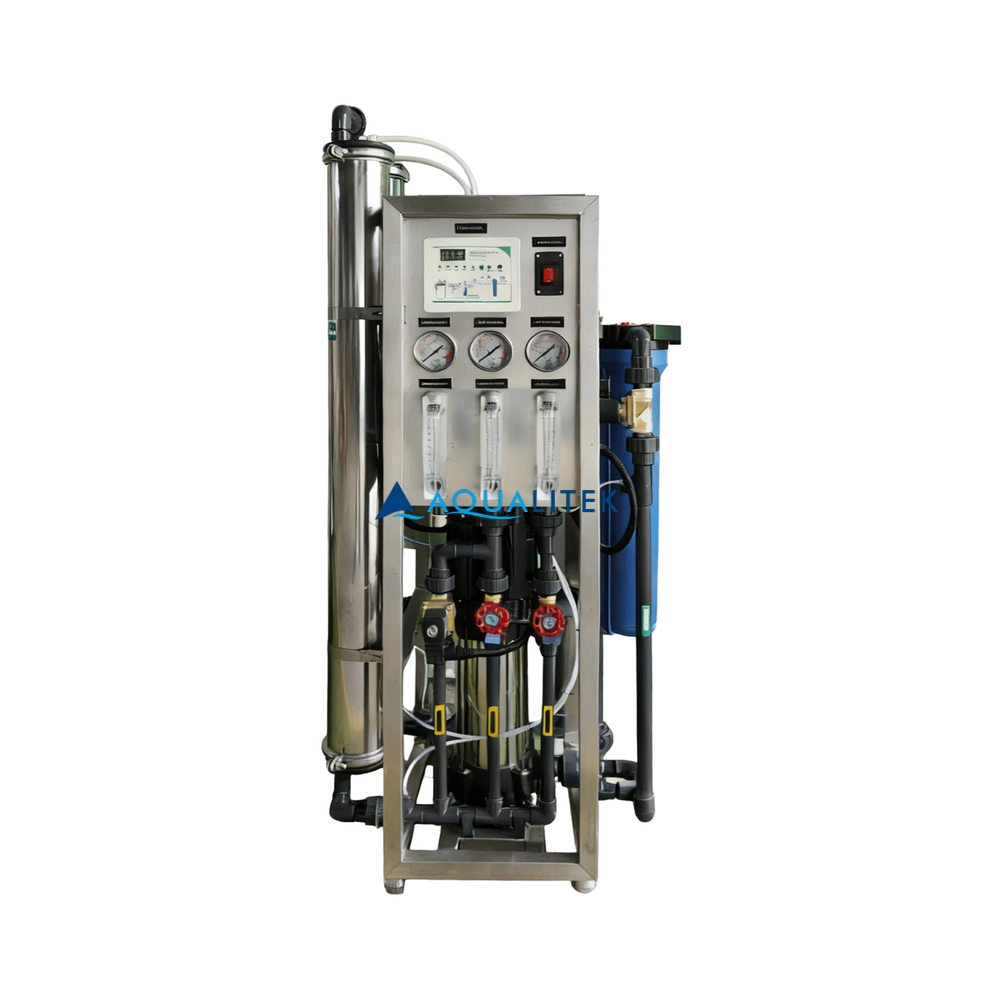
TWV series Reverse Osmosis (RO) systems are pre-engineered and pre-assembled units with 2.5”/4” membrane housings(single element type)for tap water(lower TDS).They are designed for overall superior performance, high recovery rates and offer great savings with low maintenance and operation costs.
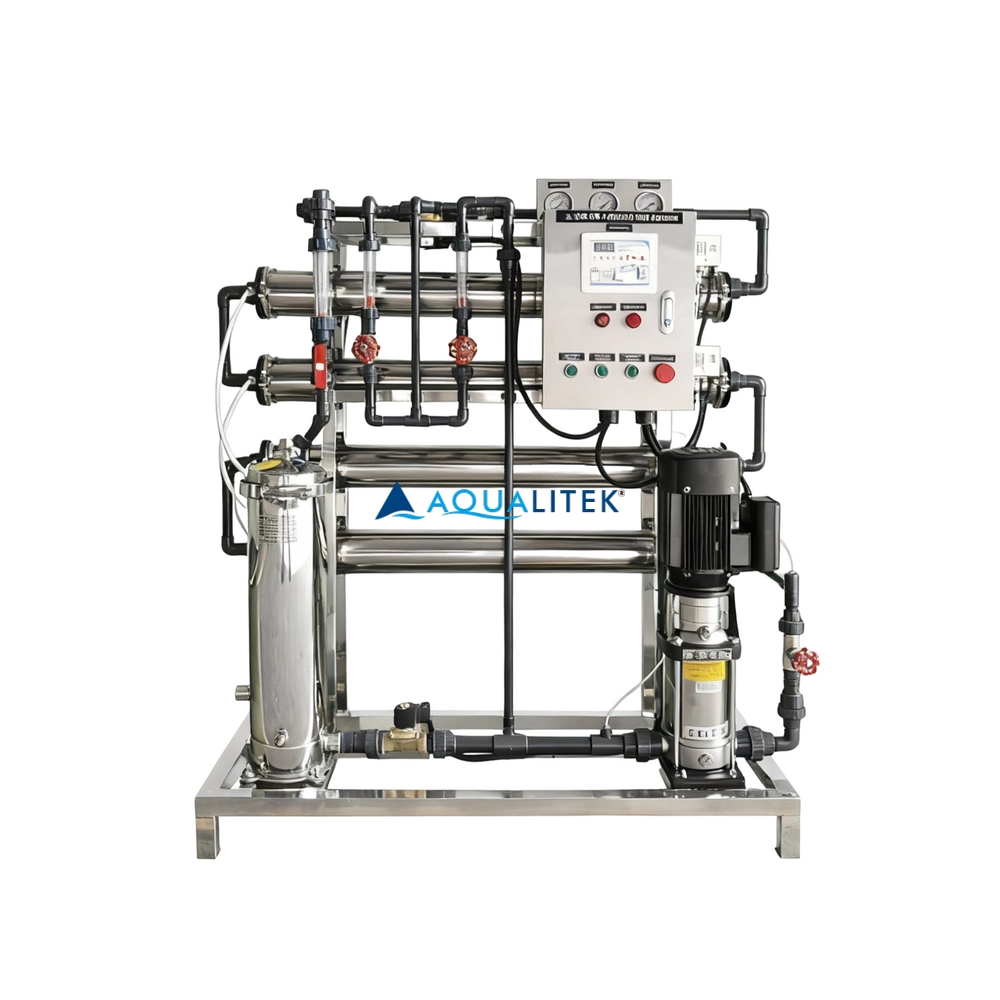
TWF series Reverse Osmosis (RO) systems are pre-engineered and pre-assembled units with 4” membrane housings(multiple elements type) for tap water(lower TDS) .The medium large volumes can help meet your a variety of commercial and industrial applications. They are designed for overall superior performance, high recovery rates and offer great savings with low maintenance and operation costs.

TWE series Reverse Osmosis (RO) systems are pre-engineered and pre-assembled units with 8” membrane housings for tap water (lower TDS). The large volumes can help meet your a variety of industrial applications. They are designed for overall superior performance, high recovery rates and offer great savings with low maintenance and operation costs.
© 2026 AQUALITEK. All rights reserved.
AQUALITEK- Aimee Hoo
AQUALITEK - Aimee Hoo