




How to Size a 4TPH Industrial RO for Your Needs
- Sizing Fundamentals for a 4TPH Industrial RO System
- Define Your Process Water Demand
- Translate Demand to Recovery and Feed Flow
- Feedwater Quality, Pretreatment, and Membrane Selection
- Obtain a Comprehensive Feedwater Analysis
- Design Pretreatment to Protect Membranes
- Choose Membrane Type and Array Configuration
- Pumps, Energy, Recovery, and System Layout
- High-Pressure Pump Sizing and Energy Recovery
- System Footprint, Skids, and Skid Orientation
- Control Strategy and Automation
- Practical Calculation, Economics, and Maintenance Planning
- Sample Sizing Calculation
- OPEX and CAPEX Comparison Table
- Maintenance, Monitoring, and Regulatory Considerations
- Why Choose the AQUALITEK 4TPH Industrial Reverse Osmosis Water Purification RO System
- Product Overview
- How AQUALITEK Fits Sizing and Site Needs
- References and Standards to Consult
- Implementation Checklist and Commissioning
- Pre-Installation Site Survey
- Commissioning and Performance Testing
- Operational Best Practices
- Frequently Asked Questions (FAQ)
- Q: Is a 4TPH RO system suitable for electronic component cleaning?
- Q: How do I choose recovery rate and antiscalant dosing?
- Q: What are expected operating costs per cubic meter?
- Q: Do I need a separate CIP system?
- Q: How to handle concentrate (reject) disposal?

Quick local and technical summary for indexing: If your facility needs approximately 4 tonnes per hour (4TPH) of purified water for manufacturing or electronic cleaning, selecting the correct industrial reverse osmosis configuration requires aligning site-specific feedwater quality, daily and peak demand, recovery targets, pretreatment capacity, and space/power constraints. This guide helps facilities in varied locations—municipal, well, or surface water sources—size a 4TPH Industrial Reverse Osmosis plant accurately and reliably for compliance, uptime and total cost of ownership.
Sizing Fundamentals for a 4TPH Industrial RO System
Define Your Process Water Demand
Start with the simplest step: quantify required produce water. 4TPH equals roughly 96 m3/day (4 t/h * 24 h). Consider:
- Continuous vs. intermittent operation — will the plant run 24/7 or in shifts?
- Peak flows and buffering — include surge capacity if production has variable demand.
- Quality requirements — resistivity, total dissolved solids (TDS), or specific ions (e.g., Na+, Cl-, silica) that affect downstream processes.
Translate Demand to Recovery and Feed Flow
Recovery (%) is the fraction of feedwater converted to permeate. Industrial RO recovery factors commonly range from 50% to 85% depending on feedwater TDS and fouling risk. To produce 4TPH permeate:
Feed flow (tph) = Permeate flow / Recovery
Example: For 60% recovery, feed flow = 4 / 0.60 ≈ 6.67 TPH (≈160 m3/day).
Higher recovery reduces wastewater but increases fouling and chemical dosing needs—balance based on feedwater quality and pretreatment.
Feedwater Quality, Pretreatment, and Membrane Selection
Obtain a Comprehensive Feedwater Analysis
Critical parameters: TDS, hardness, silica, alkalinity, iron, manganese, chlorine, organics (TOC/UV254), turbidity, and silt density index (SDI). These determine pretreatment and allowable recovery. Use accredited labs or validated field instruments and check seasonal variation.
Design Pretreatment to Protect Membranes
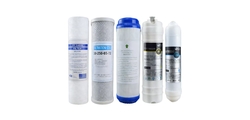
Common pretreatment steps for industrial reverse osmosis include:
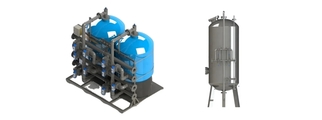
- Multimedia filtration or sand filters for turbidity
- Carbon filters for free chlorine removal (protects polyamide membranes)
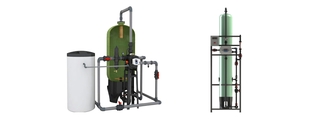
- Water softening or antiscalant dosing to control hardness and scale-formers
- Microfiltration/ultrafiltration for high fouling waters (industrial process makeup)
Standards and guidance from organizations like the Reverse osmosis overview and the WHO Guidelines for Drinking-water Quality are helpful references when deciding limits and monitoring protocols.
Choose Membrane Type and Array Configuration
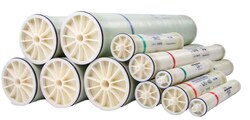
Select membranes rated for industrial RO applications with appropriate salt rejection and flux. For electronic cleaning water, high rejection and low TOC are often required. Membrane staging (two-pass RO) or polishing RO might be necessary to meet tight resistivity or silica specifications.
Pumps, Energy, Recovery, and System Layout
High-Pressure Pump Sizing and Energy Recovery
Pump sizing depends on feed pressure required by membranes (function of TDS and desired recovery) and system losses. Typical industrial RO feed pressures range 10–35 bar. Consider energy recovery devices (ERDs) for high-recovery or high-TDS feeds to reduce operating cost.
System Footprint, Skids, and Skid Orientation
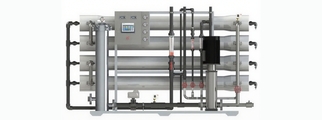
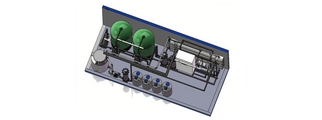
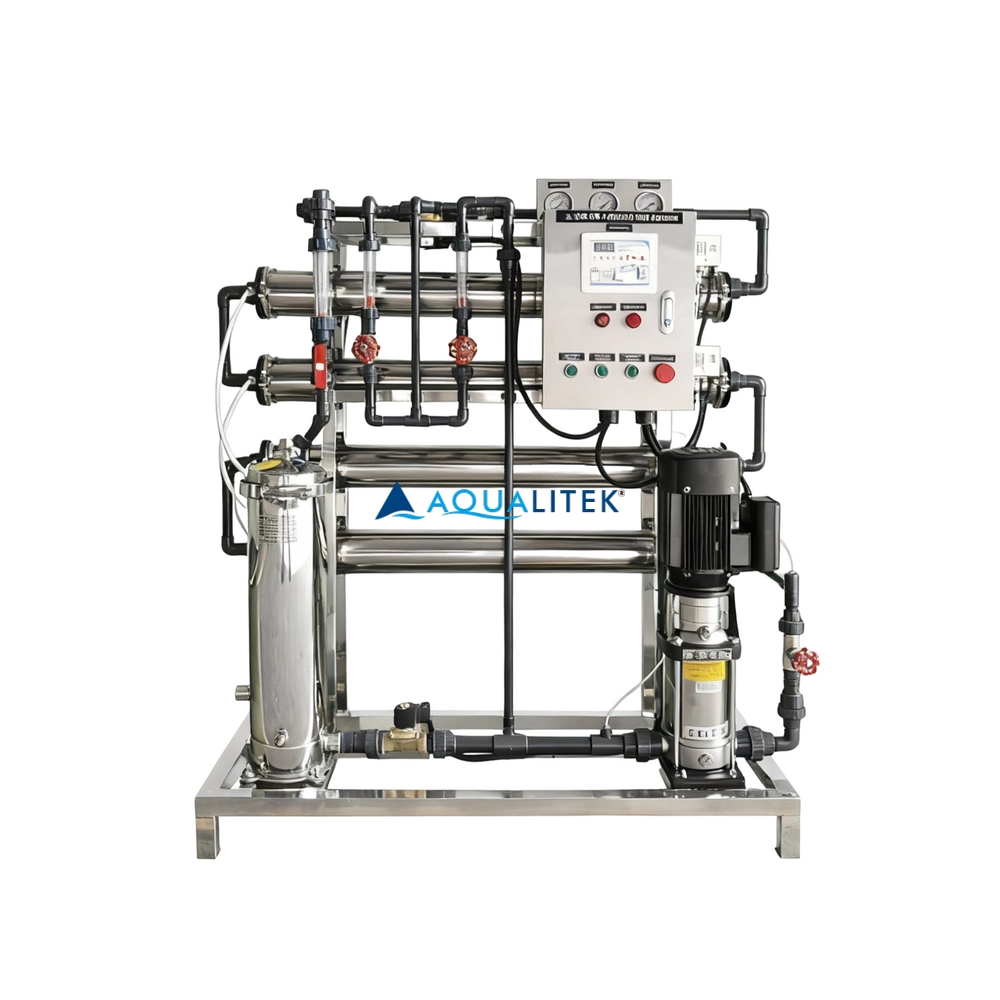
A 4TPH industrial RO often comes as a modular skid-mounted system. Consider space for pre-treatment, chemical tanks, CIP (clean-in-place) area, permeate storage, and access for maintenance. Walkways and instrumentation panel placement should match local code and operator ergonomics.
Control Strategy and Automation
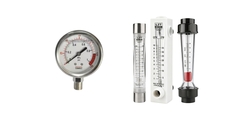
Modern systems include PLC control, remote monitoring, alarm logging, and trend data for SDI, TDS, conductivity, pressure, and flow. Automation simplifies startup, shut-down, and regular CIP cycles, improving reliability and labour efficiency.
Practical Calculation, Economics, and Maintenance Planning
Sample Sizing Calculation
Goal: 4TPH permeate (96 m3/day). Assume feed TDS 1,500 mg/L (brackish), target recovery 60%, membrane salt rejection 98%.
- Feed flow = 4TPH / 0.60 = 6.67 TPH (≈160 m3/day)
- Reject flow = Feed - Permeate = 2.67 TPH (≈64 m3/day)
- Membrane area estimate: If average permeate flux = 15 L/m2·h (industrial conservative), then required membrane area = Permeate flow (L/h) / Flux
Permeate flow = 4,000 kg/h ≈ 4,000 L/h; Area ≈ 4,000 / 15 ≈ 267 m2.
- Pump power estimate: Pump head ~ 20 bar, efficiency 75%:
Power (kW) ≈ (Flow m3/s × Head Pa) / (ρ × g × Efficiency). For practical planning, consult OEM pump curves; use a safety factor of 1.2–1.5.
OEMs like AQUALITEK will provide exact membrane counts and array configuration based on final feedwater data and plant layout.
OPEX and CAPEX Comparison Table
| Item | Typical CAPEX (est.) | Typical OPEX | Notes |
|---|---|---|---|
| RO skid & membranes | $15,000–$50,000 | Membrane replacement every 3–5 yrs | Depends on membranes, automation, and skid complexity |
| Pretreatment (filters, softeners) | $5,000–$25,000 | Media replacement, chemicals | High-fouling feed increases cost |
| Energy (pump power) | — | $1,000–$10,000/yr | Depends on runtime, feed TDS, and ERD use |
| Maintenance & consumables | — | $2,000–$8,000/yr | Includes chemicals, spare parts, labor |
Maintenance, Monitoring, and Regulatory Considerations
Plan routine monitoring: feed/permeate conductivity, SDI, pressure differentials, and periodic microbial/TOC checks if required by process. Follow guidance from industry bodies such as the American Water Works Association (AWWA) and relevant local regulations. For potable or near-potable uses, WHO and local public health standards apply.
Why Choose the AQUALITEK 4TPH Industrial Reverse Osmosis Water Purification RO System
Product Overview
AQUALITEK 4TPH Industrial Reverse Osmosis Water Purification RO System, high-efficiency industrial-grade RO water treatment plant for manufacturing & processing, commercial reverse osmosis filtration system ideal for electronic component cleaning water use.
How AQUALITEK Fits Sizing and Site Needs
AQUALITEK offers modular skids sized for a nominal 4TPH output, with flexible array configurations to accommodate feedwater from municipal, well, or brackish sources. The product includes options for:
- Single or two-pass RO for tighter specification
- Integrated pre-treatment (media filters, activated carbon, antiscalant dosing)
- PLC-based control and remote monitoring
- Customizable storage and CIP arrangements
Tapping vendor expertise early reduces risk, shortens lead times, and ensures compliance with environmental discharge rules for concentrate.
References and Standards to Consult
For technical and regulatory alignment, consult:
- Reverse osmosis overview (Wikipedia) — general principles and membrane types.
- WHO Guidelines for Drinking-water Quality — guidance for health-based targets and monitoring where applicable.
- American Water Works Association (AWWA) — industry best practices for water systems and treatment.
- International Desalination Association — resources for membrane desalination practices.
Implementation Checklist and Commissioning
Pre-Installation Site Survey
Essential items for the site survey:
- Confirm feedwater analysis and daily/peak demands
- Check space, access (doors, cranes), and structural floor loading
- Confirm power availability and electrical service size
- Plan chemical storage, ventilation, and drainage for concentrate
Commissioning and Performance Testing
Commissioning steps should include hydraulic checks, leak tests, validation of control logic, and performance testing versus guaranteed permeate flow, recovery, and salt rejection. Document steady-state performance and schedule a 30-day review to adjust antiscalant dosing and CIP frequency.
Operational Best Practices
Keep these practical rules to maximize uptime:
- Follow routine membrane cleaning intervals and use OEM-recommended chemicals
- Monitor SDI and replace prefilter media before membranes are impacted
- Log conductivity, pressure, and flow trends to detect issues early
- Plan membrane replacement as part of lifecycle budgeting (typically 3–7 years depending on feedwater)
Frequently Asked Questions (FAQ)
Q: Is a 4TPH RO system suitable for electronic component cleaning?
A: Yes. The AQUALITEK 4TPH Industrial Reverse Osmosis Water Purification RO System is explicitly designed as a high-efficiency industrial-grade RO plant suitable for manufacturing and electronic component cleaning water uses, provided you select the appropriate membrane pass (single vs. two-pass) and post-treatment polishing to meet resistivity/silica requirements.
Q: How do I choose recovery rate and antiscalant dosing?
A: Recovery is chosen based on feedwater scaling constituents (calcium, magnesium, silica) and TDS. Use laboratory analyses and vendor scaling calculators. Antiscalant type and dosing are selected based on chemistry; OEMs and chemical suppliers provide dosing curves and trial programs.
Q: What are expected operating costs per cubic meter?
A: Operating costs depend on feed TDS, energy costs, and consumables. For a typical brackish feed and 4TPH plant, energy and consumables may range from $0.20–$1.50/m3. Use a detailed site-specific quote for accurate OPEX budgeting.
Q: Do I need a separate CIP system?
A: Small modular plants may integrate CIP capability on the skid. For heavy fouling waters, a dedicated CIP skid and chemical dosing/storage is recommended to minimize downtime.
Q: How to handle concentrate (reject) disposal?
A: Options include sewer discharge (if permitted), evaporation, deep-well injection, or blending with other waste streams. Local regulations and environmental impact assessments determine viable methods—consult local authorities and AQUALITEK for design support.
If you are ready to evaluate a 4TPH Industrial Reverse Osmosis solution for your site, contact our technical sales team for a free feedwater assessment and customized quote. View the full product details and request a site-specific sizing at: AQUALITEK 4TPH Industrial Reverse Osmosis Water Purification RO System or contact us directly via our sales portal to schedule a site survey and sample testing.
Top 10 uf water system Manufacturers and Supplier Brands
Improve Tap Water Taste: Best Purification Tips
Top 10 Ultra filtration water system Manufacturers and Supplier Brands
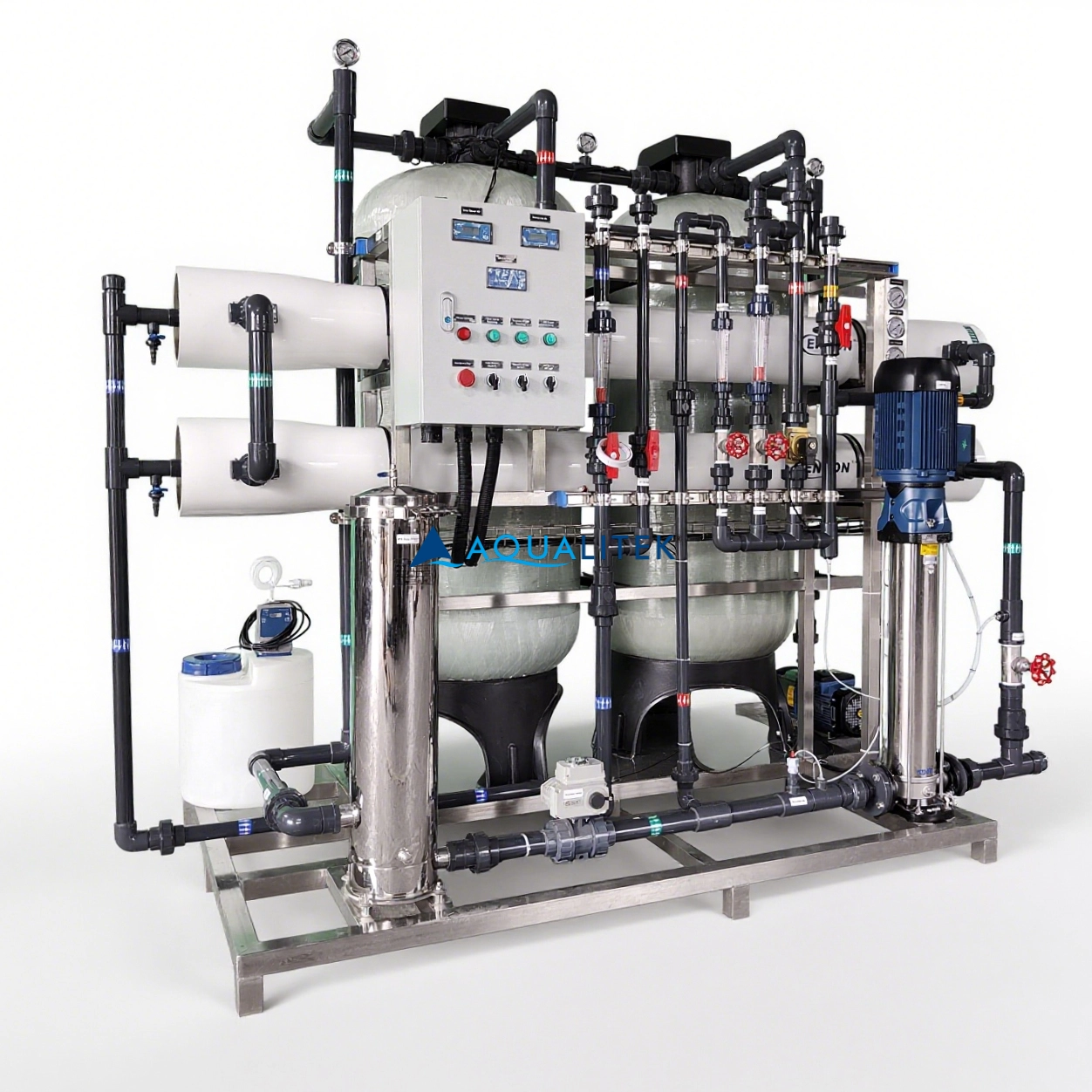
Membrane Selection for Industrial Reverse Osmosis
FAQ-aqualitek
What types of water treatment systems does AQT offer?
AQT provides a wide range of water purification solutions, including reverse osmosis (RO) systems, ultrafiltration (UF) systems, nanofiltration (NF) systems, deionization (DI) systems, electro-deionization (EDI) systems, chemical dosing systems, and water softeners. We also supply spare parts and components for water treatment systems.
Ion Exchange Water Treatment Systems
What is the difference between softening and deionization?
Softening removes only hardness ions (Ca²⁺, Mg²⁺), while deionization removes both cations and anions to produce high-purity water.
Water Filters
Do you provide replacement parts and consumables?
Yes. We supply cartridges, filter bags, media (sand, carbon, etc.), valve kits, and O-rings for all major systems.
Blog
Do softener systems remove iron or chlorine?
Not typically. If your water contains iron, manganese, or chlorine, consider a dual-system setup or add specialized pre-filters.
Solutions
Can AQT provide custom water treatment solutions?
Yes! We specialize in OEM/ODM water treatment solutions and can design custom filtration systems tailored to your business, industry, or brand requirements. Our team can assist with system design, branding, private labeling, and technical support.
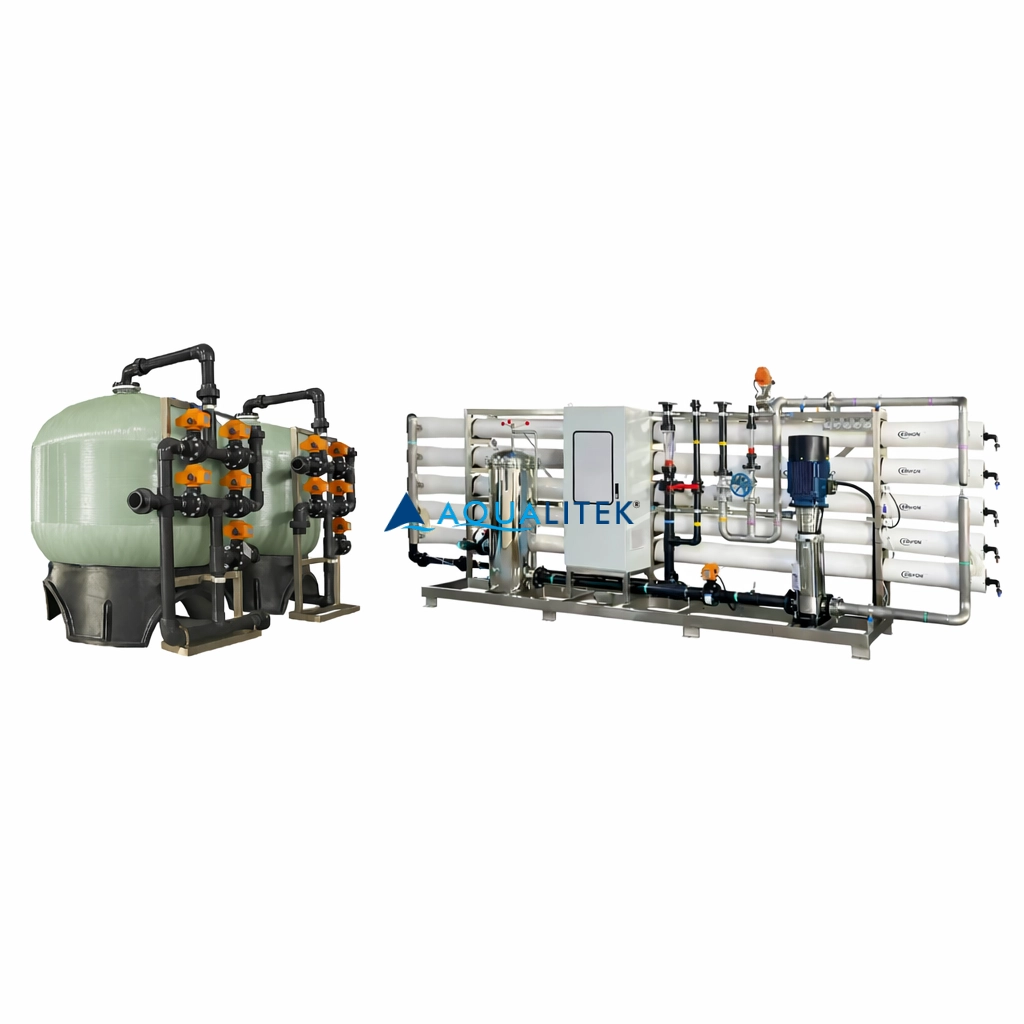
30TPH Industrial Reverse Osmosis (RO) System
30TPH Industrial Reverse Osmosis (RO) System designed for industrial and municipal water treatment. High salt rejection, energy-efficient design, PLC control, and customizable configuration.
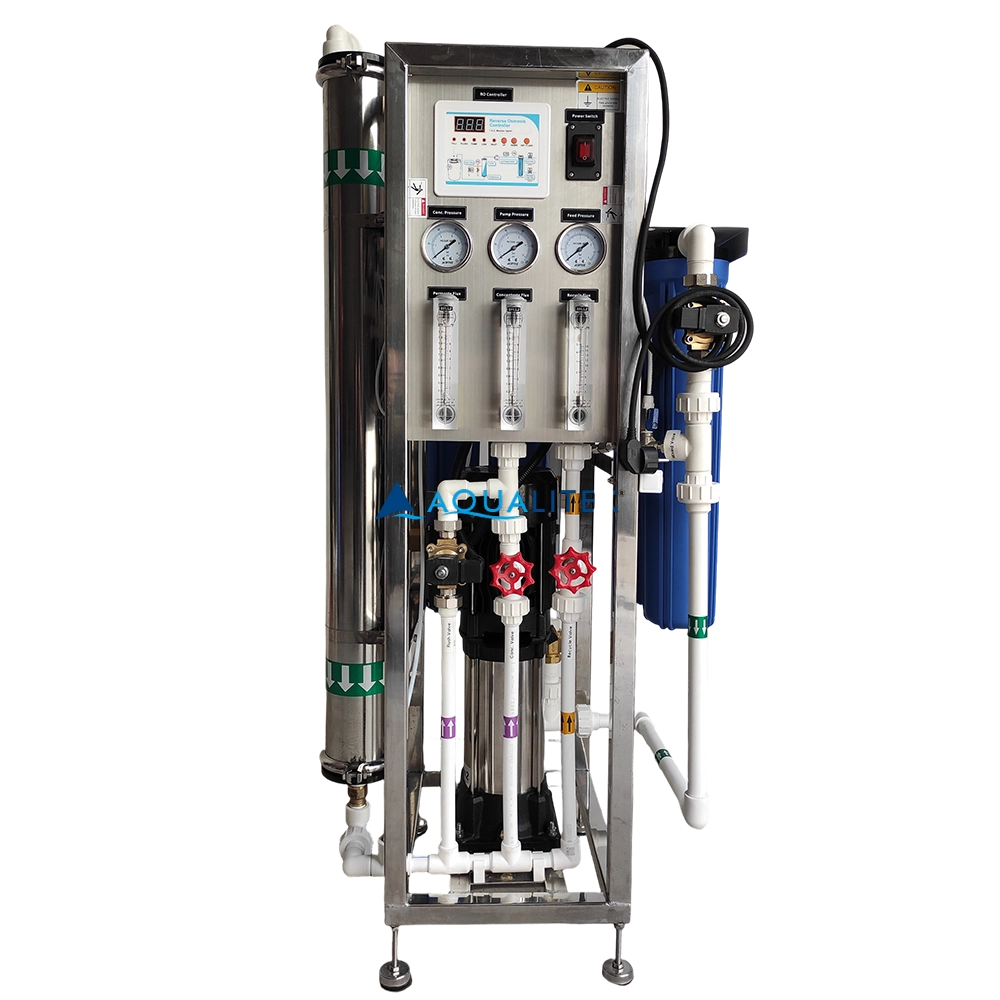
500 LPH Reverse Osmosis (RO) Water Purification Machine TWV - 412
Our 500 LPH Reverse Osmosis (RO) System is engineered to provide high-quality purified water for commercial applications. Designed with advanced RO technology, durable components, and a user-friendly interface, this system ensures consistent performance, low maintenance, and long-term reliability.
With its compact design and robust skid-mounted frame, it’s an excellent choice for businesses that demand efficiency and quality in water purification.
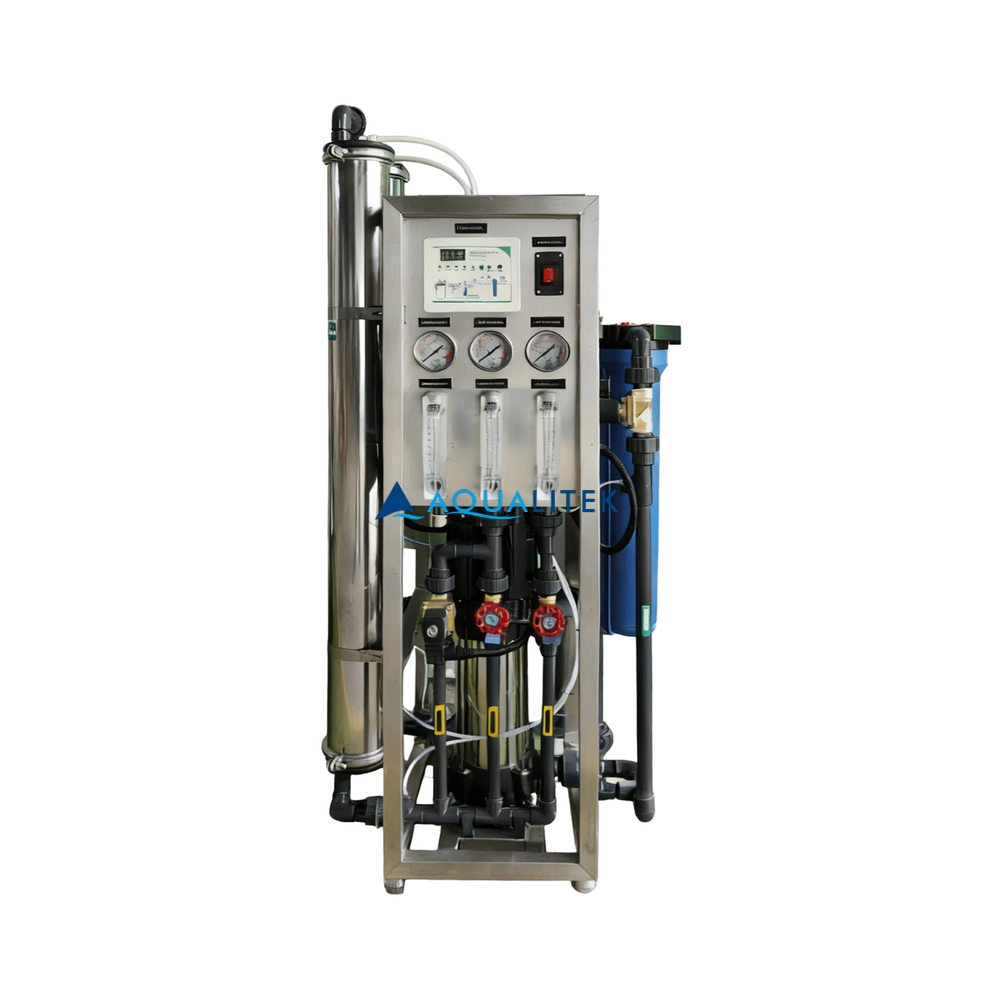
Tap Water Reverse Osmosis (TWRO) Systems TWV Series
TWV series Reverse Osmosis (RO) systems are pre-engineered and pre-assembled units with 2.5”/4” membrane housings(single element type)for tap water(lower TDS).They are designed for overall superior performance, high recovery rates and offer great savings with low maintenance and operation costs.
Tap Water Reverse Osmosis (TWRO) Systems TWF Series
TWF series Reverse Osmosis (RO) systems are pre-engineered and pre-assembled units with 4” membrane housings(multiple elements type) for tap water(lower TDS) .The medium large volumes can help meet your a variety of commercial and industrial applications. They are designed for overall superior performance, high recovery rates and offer great savings with low maintenance and operation costs.
Request More Information
Contact us today for product catalogs, customization options, and a free quotation designed for your business needs.
Rest assured that your privacy is important to us, and all information provided will be handled with the utmost confidentiality.
© 2026 AQUALITEK. All rights reserved.
AQUALITEK- Aimee Hoo
AQUALITEK - Aimee Hoo