




Ensuring Compliance with Industrial Water Standards
- Understanding Industrial Water Standards and Compliance Requirements
- Key regulatory frameworks and what they require
- Common industrial water parameters to control
- How standards influence technology selection
- How Industrial Reverse Osmosis Achieves Compliance
- Principles and components of industrial reverse osmosis
- Performance metrics: recovery, rejection, and permeate quality
- Why pretreatment matters for regulatory reliability
- Implementing and Validating an RO-based Plant (4TPH case)
- Introducing the product: AQUALITEK 4TPH Industrial Reverse Osmosis
- Commissioning checklist to demonstrate compliance
- Validation testing and benchmark targets
- Operational Best Practices, Monitoring and Documentation
- Continuous monitoring and alarm strategies
- Maintenance, membrane care and cleaning schedules
- Recordkeeping and management system alignment
- Practical Comparisons and Typical Performance
- Typical compliance targets vs. industrial RO performance
- Economic and environmental considerations
- When to add polishing or additional treatment
- References and Standards for Further Reading
- FAQ — Ensuring Compliance with Industrial Water Standards
- Q: Can an industrial reverse osmosis system alone meet the purity required for electronic component cleaning?
- Q: How frequently should we test permeate to remain compliant?
- Q: What are common causes of sudden non-compliant permeate?
- Q: How does the AQUALITEK 4TPH system support compliance documentation?
- Q: Are there any environmental or regulatory permits required for concentrate (brine) disposal?
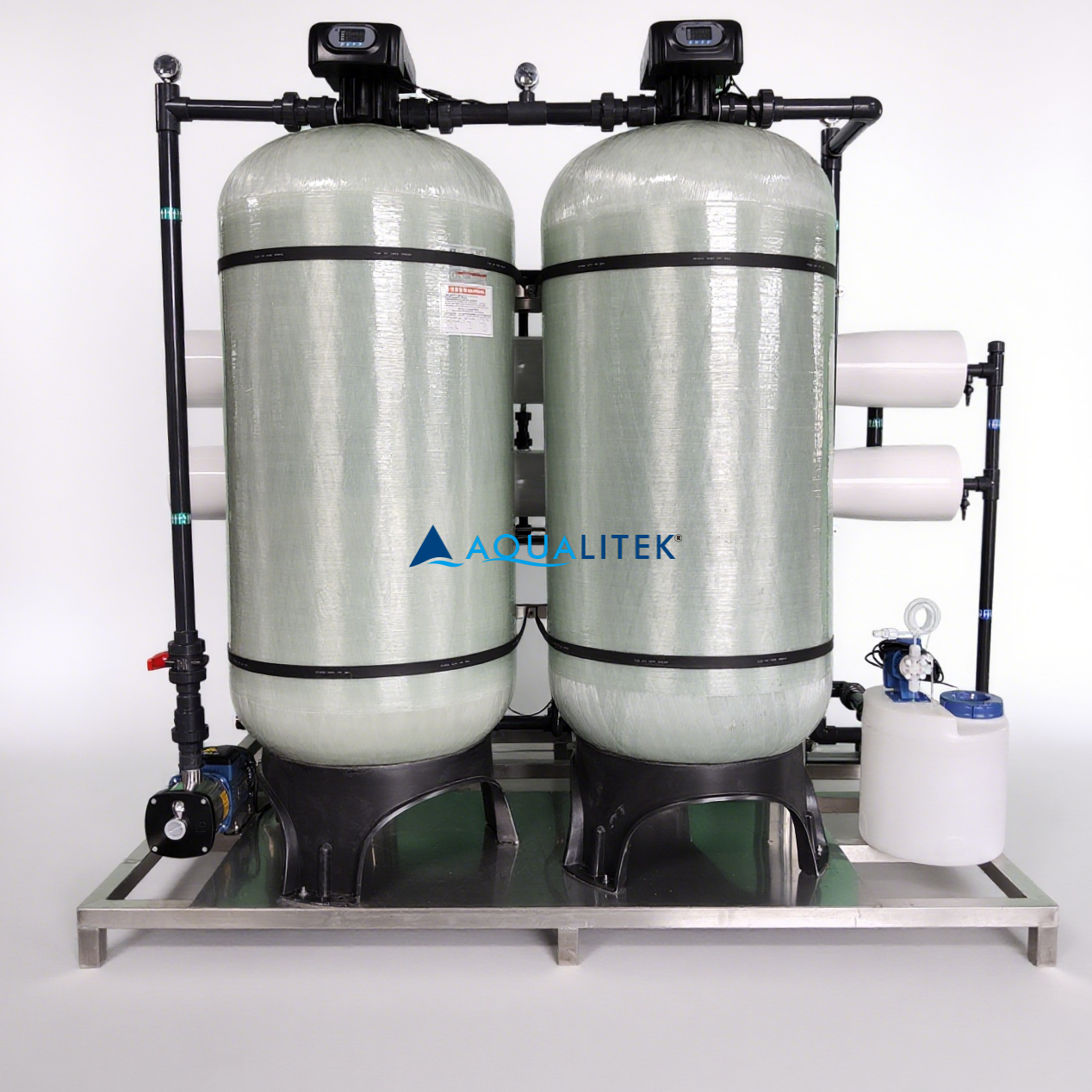
Ensuring regulatory and customer compliance for industrial water quality requires a combination of accurate standards interpretation, robust treatment technologies, continuous monitoring, and traceable documentation. Industrial reverse osmosis (RO) is a widely accepted core technology for meeting stringent industrial water criteria — from makeup water for boilers and cooling towers to high-purity rinsing water for electronic component cleaning. This guide explains how to use an industrial reverse osmosis solution, including the AQUALITEK 4TPH Industrial Reverse Osmosis Water Purification RO System, to achieve and maintain compliance with industrial water standards.
Understanding Industrial Water Standards and Compliance Requirements
Key regulatory frameworks and what they require
Industrial water quality is governed by multiple overlapping standards and guidance documents. For process or discharge limits, consult national regulatory agencies such as the U.S. EPA (for industrial process and discharge requirements) (EPA industrial process water). For potable and sensitive uses, global guidance from the WHO or regional authorities gives potable thresholds that may inform internal quality targets. Quality management systems such as ISO 9001 can also mandate documented control plans and validation activities.
Common industrial water parameters to control
Most industrial applications focus on a set of measurable parameters: total dissolved solids (TDS), conductivity, silica, chlorides, total organic carbon (TOC), microbial counts, and suspended solids (SDI/SDI15). Target values depend on the application: electronic component cleaning demands much lower TDS and organics than cooling water. Understanding which parameters matter for your process is the first step toward compliance.
How standards influence technology selection
When a standard requires a specific maximum for TDS or conductivity, technologies must be chosen accordingly. Industrial reverse osmosis is particularly effective at removing ionic species and organics, making it a common selection for manufacturers seeking to meet low TDS and conductivity targets. For ultra-pure water (UPW), RO is often paired with ion exchange, electrodeionization (EDI), or mixed-bed polishing.
How Industrial Reverse Osmosis Achieves Compliance
Principles and components of industrial reverse osmosis
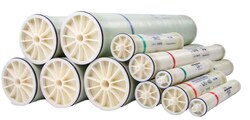
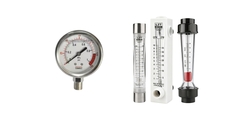
Reverse osmosis uses semi-permeable membranes to separate dissolved solids from water by applying pressure greater than osmotic pressure. Key system components include feed pre-treatment (media filters, cartridge filters, antiscalant dosing), high-pressure pumps, RO membrane arrays, permeate and concentrate piping, and control instrumentation (flow meters, conductivity meters, pressure gauges). For an example of the technology, see a general overview of reverse osmosis.
Performance metrics: recovery, rejection, and permeate quality
Important metrics to monitor are:
- Salt rejection (%) — how effectively the membranes remove dissolved ions
- System recovery (%) — percentage of feed water converted to permeate
- Permeate conductivity / TDS — direct indicators of compliance with ionic limits
High rejection and stable permeate conductivity are the most direct signs that an industrial reverse osmosis system is delivering compliant water.
Why pretreatment matters for regulatory reliability
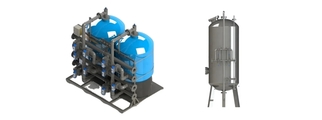
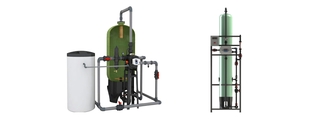
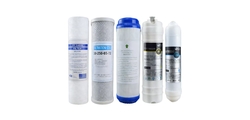
Pretreatment protects membranes from fouling, scaling, and chlorine damage—common causes of performance drift that can lead to non-compliance. Appropriate pretreatment (e.g., softening, antiscalant dosing, multimedia filtration, and cartridge filtration) ensures long-term compliance and predictable permeate quality.
Implementing and Validating an RO-based Plant (4TPH case)
Introducing the product: AQUALITEK 4TPH Industrial Reverse Osmosis
Product overview:
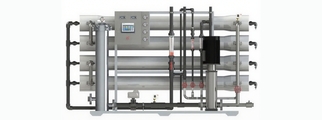
AQUALITEK 4TPH Industrial Reverse Osmosis Water Purification RO System, high-efficiency industrial-grade RO water treatment plant for manufacturing & processing, commercial reverse osmosis filtration system ideal for electronic component cleaning water use.
The 4TPH system is sized for continuous industrial use and is designed to support applications that require reliable permeate quality and robust process controls suitable for electronics rinsing, plating makeup, and laboratory feed water.
Commissioning checklist to demonstrate compliance
Commissioning an RO plant for compliance requires documented steps and acceptance criteria. A practical checklist includes:
- Verification of feedwater characterization (TDS, hardness, silica, TOC, SDI)
- Installation of required pretreatment and verification of flows/pressures
- Membrane integrity checks and leak tests
- Establishing control setpoints (conductivity, pressure, level alarms)
- Performance run-in and documentation of permeate quality under normal load
Document each step and retain certificates or calibration records for instruments — these are frequently requested during audits.
Validation testing and benchmark targets
Validation should include repeated sampling for the parameters that define compliance. Typical validation protocol elements:
- Daily conductivity/TDS checks for the first 30 days
- Weekly microbial and TOC testing if required by process
- Monthly performance logs (rejection %, recovery%) and chemical dosing audits
Benchmarks depend on application. For electronics cleaning, many manufacturers target permeate TDS < 10–50 mg/L and very low TOC levels; for general process makeup, higher levels may be acceptable.
Operational Best Practices, Monitoring and Documentation
Continuous monitoring and alarm strategies
Achieving sustained compliance requires continuous monitoring of key parameters: feed and permeate conductivity, feed pressure, differential pressure across prefilters, and permeate flow. Alarms should trigger on conductivity excursions, loss of pressure, or differential pressure increases indicating fouling. Automated data logging creates the audit trail necessary for compliance verification.
Maintenance, membrane care and cleaning schedules
Proactive maintenance extends membrane life and prevents unplanned non-compliance. Typical maintenance items include:
- Scheduled replacement of cartridge filters (based on ΔP)
- Periodic clean-in-place (CIP) procedures to remove organics and scale
- Monitoring salt passage and scheduling membrane replacement when rejection drops below specified limits
Recordkeeping and management system alignment
Link your water treatment records to your broader quality or environmental management system (ISO 9001 / ISO 14001). Maintain calibration records, reagent certificates, and sampling data. This transparent recordkeeping simplifies third-party audits and regulatory inspections.
Practical Comparisons and Typical Performance
Typical compliance targets vs. industrial RO performance
The table below shows common industrial targets and representative achievable ranges for a well-designed RO plant such as the AQUALITEK 4TPH. Values are illustrative and depend on feedwater and pretreatment.
| Parameter | Typical Industrial Target | Representative RO Permeate (4TPH with proper pretreatment) |
|---|---|---|
| TDS | Varies by application (10–500 mg/L) | 5–200 mg/L (often <50 mg/L for electronics cleaning) |
| Conductivity | Depends on target (<10 μS/cm for UPW) | <10–200 μS/cm |
| Silica | <1–10 mg/L for sensitive systems | <1–5 mg/L |
| TOC | Low TOC required for electronics/semiconductor | Variable; RO reduces organics but often requires polishing (EDI/DI) for <50 ppb |
Economic and environmental considerations
Optimizing recovery and concentrate management reduces water consumption and waste. Typical industrial RO systems balance recovery (to lower fresh water use) with concentrate handling costs. For guidance on optimizing industrial water use and environmental management systems, see ISO environmental management resources (ISO 14001).
When to add polishing or additional treatment
If compliance targets require ultra-low conductivity, TOC, or microbial limits, couple the RO permeate with polishing steps such as EDI, mixed bed ion exchange, UV oxidation, or ultrafiltration (for bacteria removal). The combination ensures that stringent industrial standards for specialized manufacturing are consistently met.
References and Standards for Further Reading
- WHO Guidelines for Drinking-water Quality: https://www.who.int/publications/i/item/9789241549950
- U.S. EPA – Industrial Process Water: https://www.epa.gov/eg/industrial-process-water
- NSF Consumer Resources on Reverse Osmosis Systems: https://www.nsf.org/consumer-resources/articles/reverse-osmosis-systems
- Reverse osmosis (Wikipedia overview): https://en.wikipedia.org/wiki/Reverse_osmosis
FAQ — Ensuring Compliance with Industrial Water Standards
Q: Can an industrial reverse osmosis system alone meet the purity required for electronic component cleaning?
A: RO is an essential component and can reduce TDS and many organics dramatically, but electronics cleaning commonly requires further polishing (EDI, mixed-bed DI, or TOC control) to reach ultra-pure water specifications. Use RO as the primary barrier and add polishing steps to meet the strictest targets.
Q: How frequently should we test permeate to remain compliant?
A: At commissioning, daily conductivity/TDS checks are recommended for at least the first month. Thereafter, monitoring frequency depends on risk and regulation — common practice is continuous online conductivity monitoring with weekly logged samples and monthly laboratory verification for parameters like TOC and silica where required.
Q: What are common causes of sudden non-compliant permeate?
A: Sudden changes in permeate quality typically stem from membrane damage, chlorine breakthrough, fouled pretreatment filters, or dosing errors (antiscalant or pH control). Implement alarm thresholds and rapid-response SOPs to investigate and correct excursions.
Q: How does the AQUALITEK 4TPH system support compliance documentation?
A: The AQUALITEK 4TPH is engineered for industrial use with integrated instrumentation for conductivity, pressure, and flow which can be logged. Properly configured, the system provides the continuous data and alarm history auditors request. Calibration certificates and commissioning reports should be retained as part of your compliance package.
Q: Are there any environmental or regulatory permits required for concentrate (brine) disposal?
A: Yes. Disposal of concentrate may be regulated as industrial wastewater. Review local regulatory requirements (e.g., EPA guidance for industrial discharges) and consider options such as controlled discharge to municipal sewer (with approval), evaporation, or zero-liquid discharge (ZLD) systems when necessary.
Ready to ensure compliance? Contact our technical sales team to discuss pilot testing, site-specific feedwater evaluation, and a tailored proposal for the AQUALITEK 4TPH Industrial Reverse Osmosis Water Purification RO System. For immediate assistance, contact us or request a datasheet and on-site assessment.
How to Maintain Your Water Purification System: A Guide
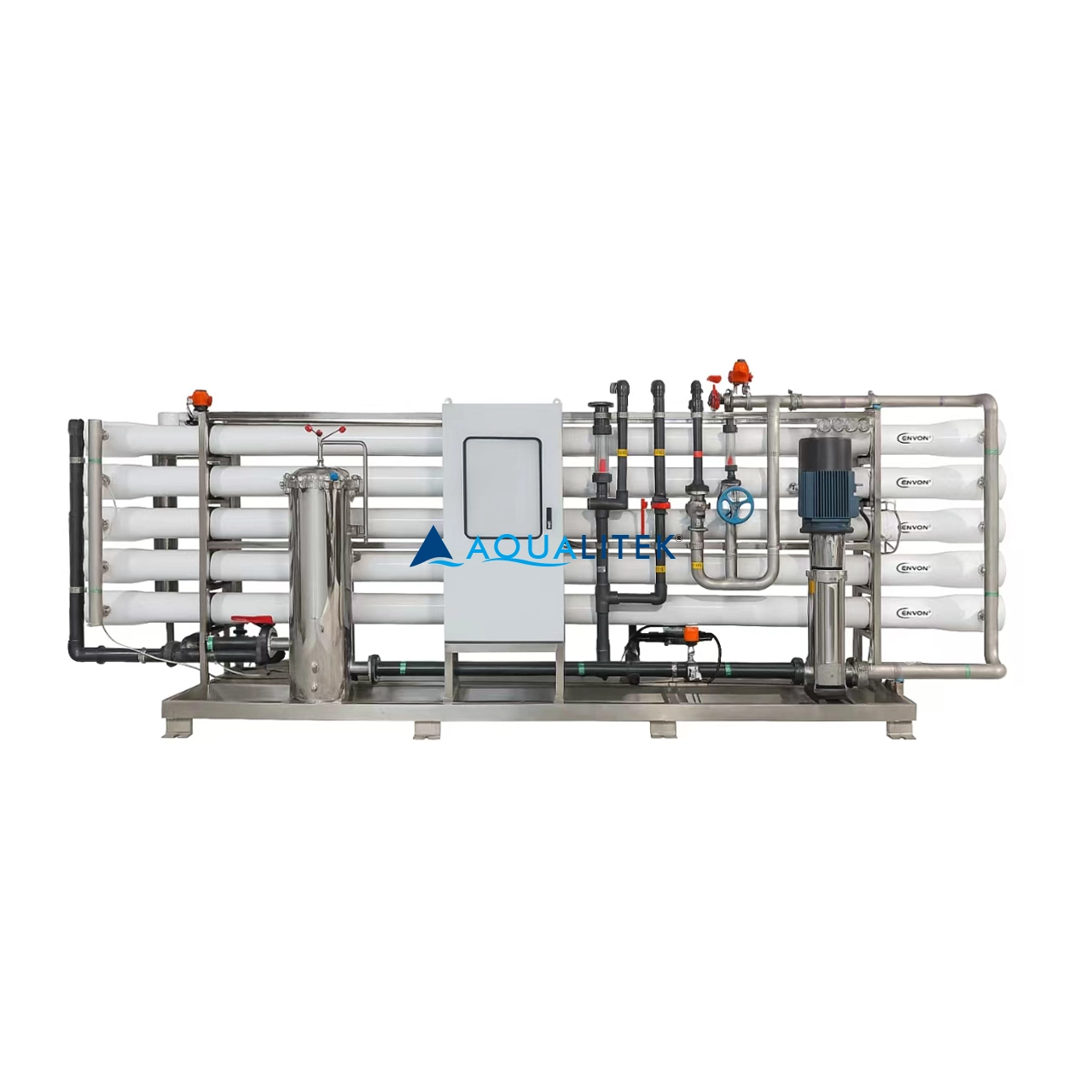
Why Choose a 30TPH Industrial Reverse Osmosis (RO) System
Installation Step-by-Step: Under-Sink Purification System
Industrial RO vs Ultrafiltration Comparison 2026
Water Filters
Are your filters suitable for seawater or chemical-heavy applications?
Yes, we offer FRP and stainless steel housings resistant to corrosion and suitable for marine or aggressive chemical environments.
Can I automate the filter cleaning process?
Absolutely. Our automatic backwash filters come with timer-based or differential pressure-triggered controls.
Do you provide replacement parts and consumables?
Yes. We supply cartridges, filter bags, media (sand, carbon, etc.), valve kits, and O-rings for all major systems.
FAQ-aqualitek
What types of water treatment systems does AQT offer?
AQT provides a wide range of water purification solutions, including reverse osmosis (RO) systems, ultrafiltration (UF) systems, nanofiltration (NF) systems, deionization (DI) systems, electro-deionization (EDI) systems, chemical dosing systems, and water softeners. We also supply spare parts and components for water treatment systems.
Solutions
Are AQT’s water treatment products certified?
Yes! Our products comply with international quality and safety standards, including ISO, CE, and NSF certifications. We prioritize high-quality materials, advanced technology, and strict quality control to ensure superior performance and reliability.
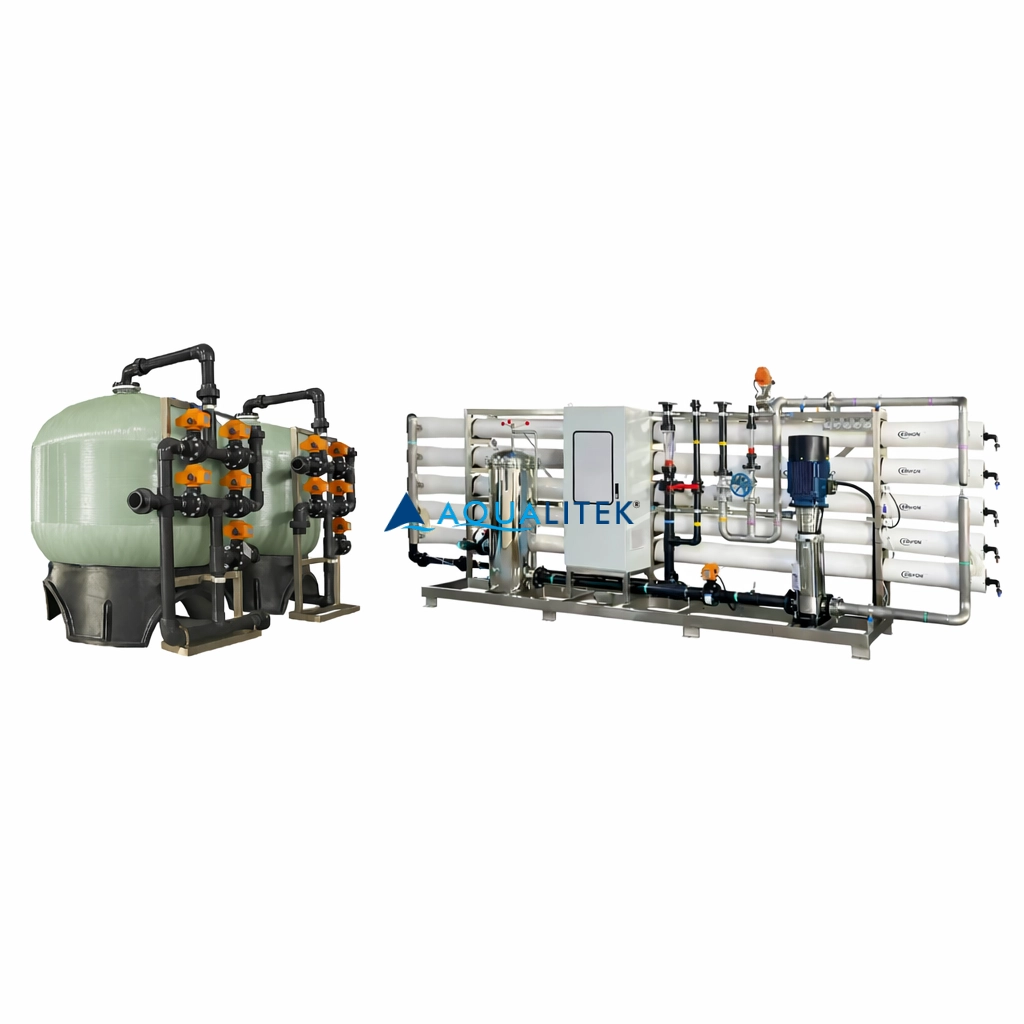
30TPH Industrial Reverse Osmosis (RO) System
30TPH Industrial Reverse Osmosis (RO) System designed for industrial and municipal water treatment. High salt rejection, energy-efficient design, PLC control, and customizable configuration.
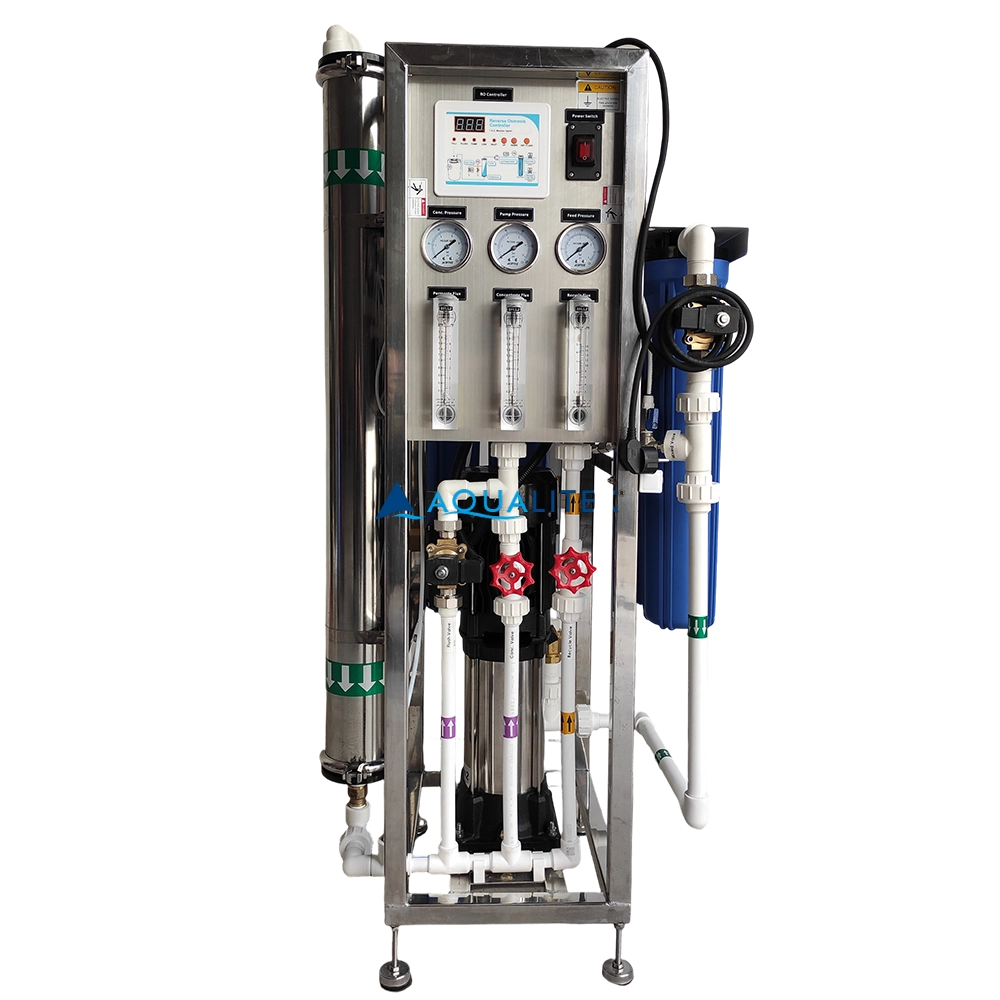
500 LPH Reverse Osmosis (RO) Water Purification Machine TWV - 412
Our 500 LPH Reverse Osmosis (RO) System is engineered to provide high-quality purified water for commercial applications. Designed with advanced RO technology, durable components, and a user-friendly interface, this system ensures consistent performance, low maintenance, and long-term reliability.
With its compact design and robust skid-mounted frame, it’s an excellent choice for businesses that demand efficiency and quality in water purification.
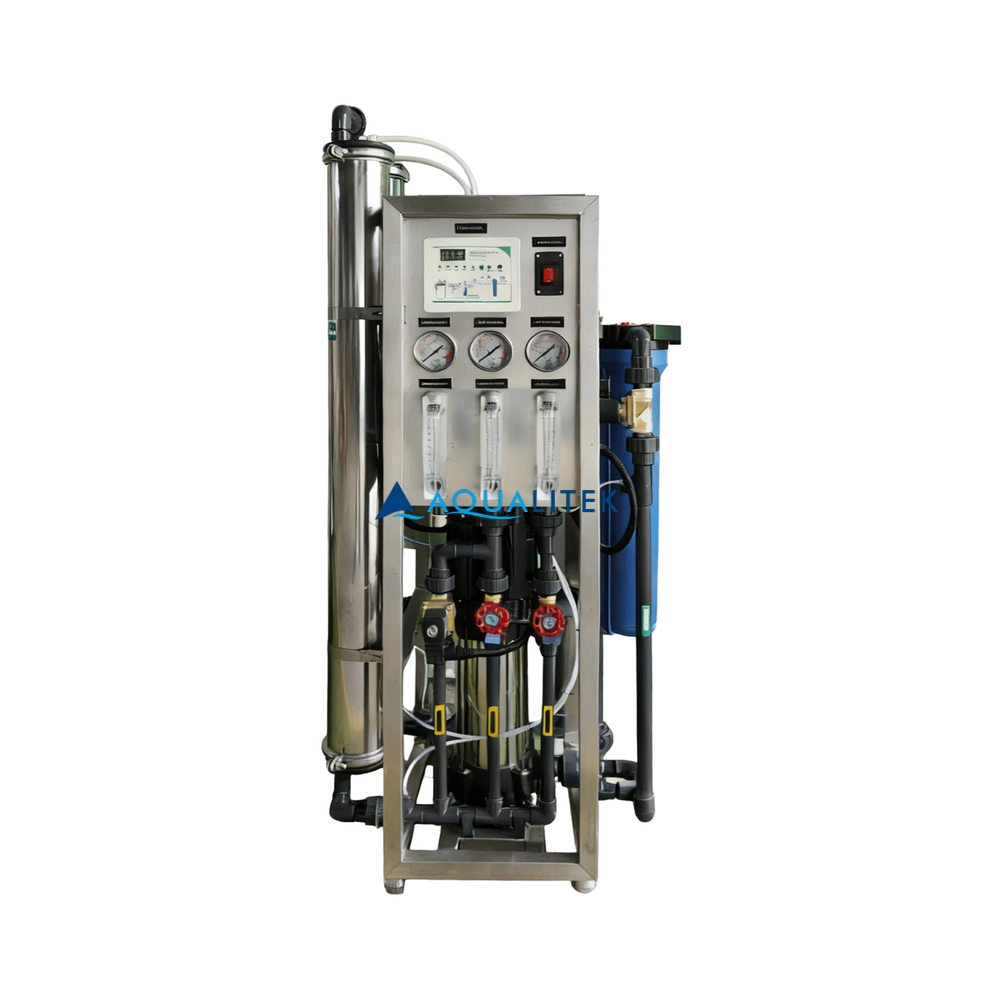
Tap Water Reverse Osmosis (TWRO) Systems TWV Series
TWV series Reverse Osmosis (RO) systems are pre-engineered and pre-assembled units with 2.5”/4” membrane housings(single element type)for tap water(lower TDS).They are designed for overall superior performance, high recovery rates and offer great savings with low maintenance and operation costs.
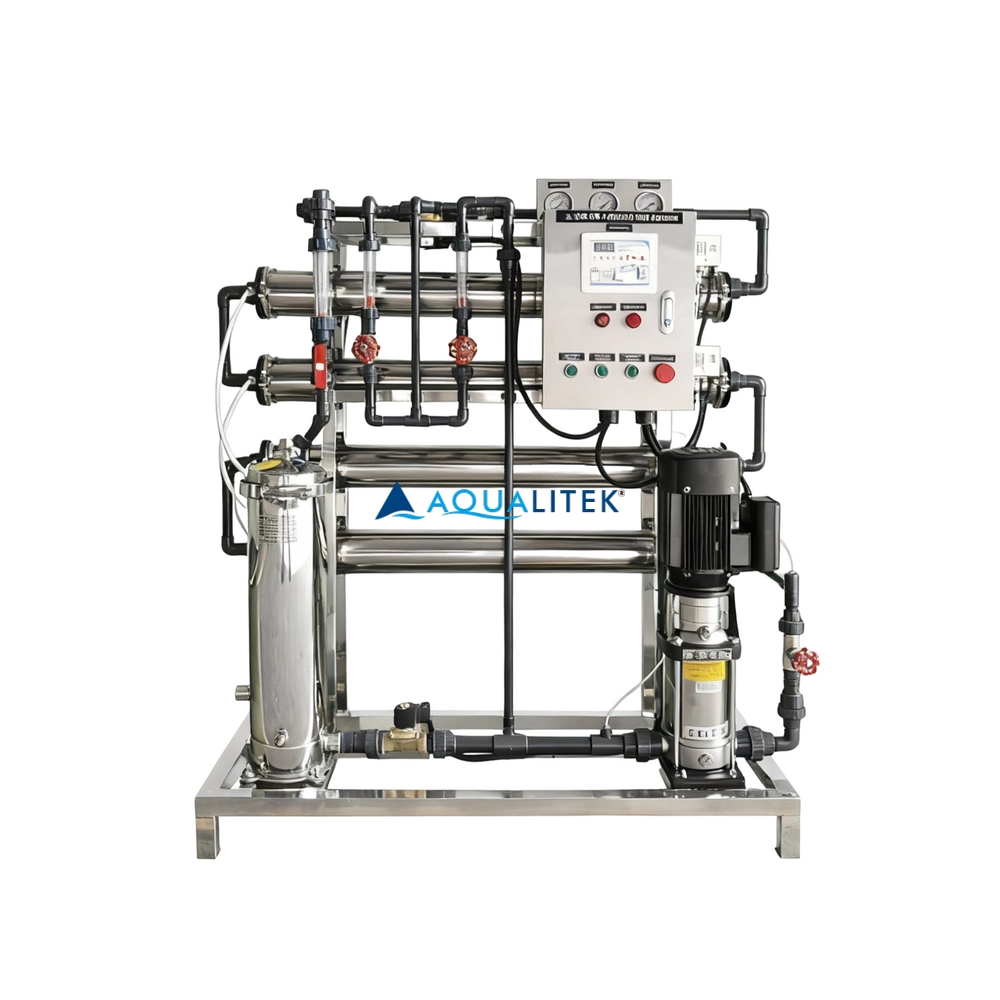
Tap Water Reverse Osmosis (TWRO) Systems TWF Series
TWF series Reverse Osmosis (RO) systems are pre-engineered and pre-assembled units with 4” membrane housings(multiple elements type) for tap water(lower TDS) .The medium large volumes can help meet your a variety of commercial and industrial applications. They are designed for overall superior performance, high recovery rates and offer great savings with low maintenance and operation costs.
Request More Information
Contact us today for product catalogs, customization options, and a free quotation designed for your business needs.
Rest assured that your privacy is important to us, and all information provided will be handled with the utmost confidentiality.
© 2026 AQUALITEK. All rights reserved.
AQUALITEK- Aimee Hoo
AQUALITEK - Aimee Hoo