




Energy Efficiency Tips for Industrial RO Plants
- Optimizing System Design for Lower Energy Use
- Match plant capacity to process demand
- Choose appropriate membrane type and recovery
- Design for modularity and staging
- Energy Recovery and Pumping Strategies
- Install energy recovery devices (ERDs)
- Optimize pump selection and control
- Reduce hydraulic losses in piping and fittings
- Pre-treatment, Maintenance and Operational Best Practices
- Effective pre-treatment to protect membranes
- Scheduled cleaning and predictive maintenance
- Real-time monitoring and automation
- Water Management and Waste Minimization
- Optimize recovery and brine management
- Implement recirculation and permeate storage strategies
- Evaluate hybrid solutions and waste heat recovery
- Quantifying Savings: Typical Energy Performance Comparison
- Selecting and Optimizing the Right Equipment: AQUALITEK 4TPH Example
- Practical Implementation Checklist
- Frequently Asked Questions (FAQ)
- Q1: How much energy can I expect to save by adding an energy recovery device?
- Q2: What is a good target for specific energy consumption (SEC) in industrial RO?
- Q3: Will higher recovery always save energy?
- Q4: How often should membranes be cleaned to maintain energy efficiency?
- Q5: Can an existing plant be retrofitted for better energy performance?
- Q6: Is the AQUALITEK 4TPH suitable for electronic cleaning water?
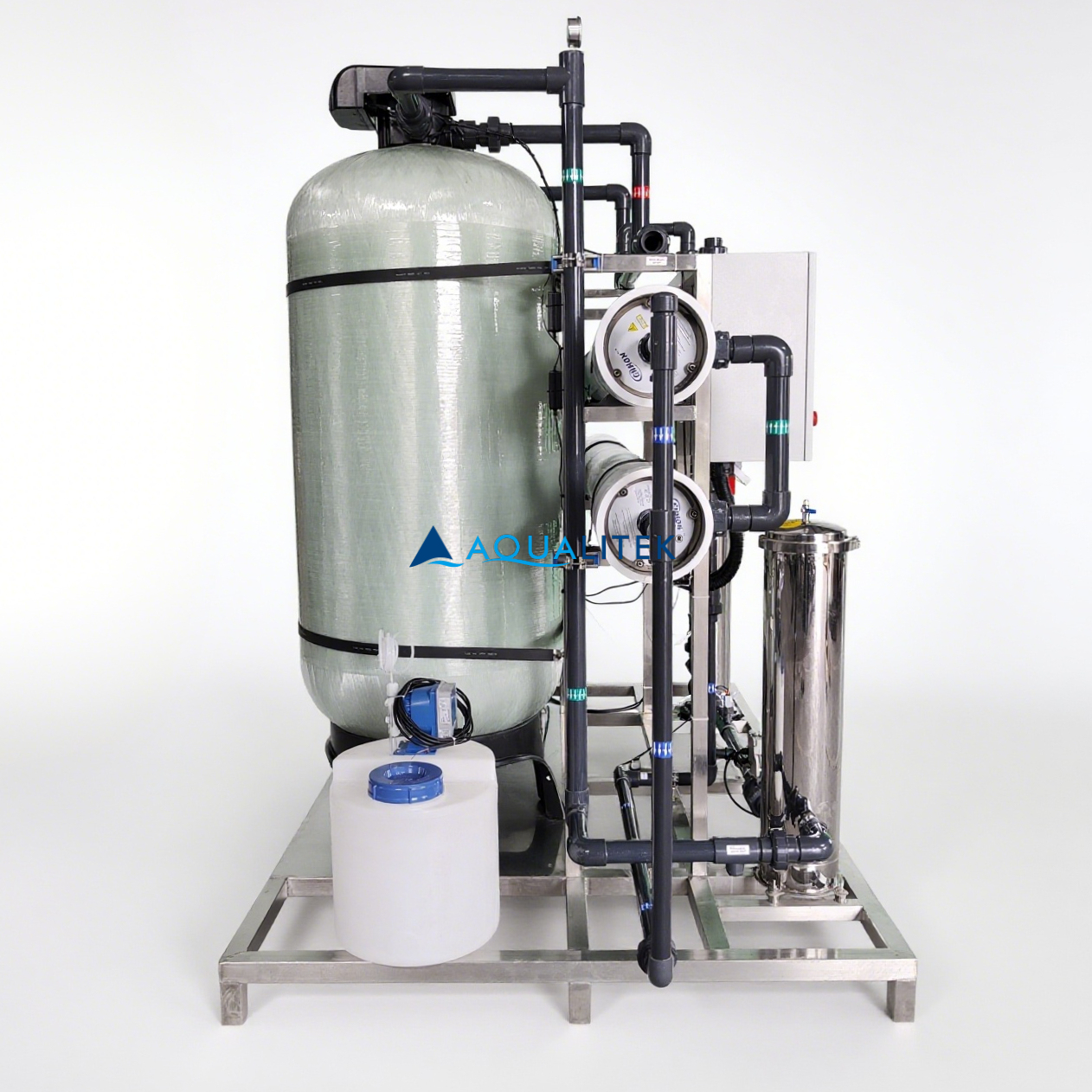
Efficient energy management in industrial reverse osmosis plants reduces operating costs, improves sustainability, and extends membrane life. This article provides actionable tips covering system design, energy recovery, pre-treatment, automation, and monitoring tailored for manufacturers and processors using RO for process and cleaning water.
Optimizing System Design for Lower Energy Use
Match plant capacity to process demand
Oversized pumps and membranes lead to unnecessary energy consumption. Perform a water balance and duty-cycle analysis to size the feed pumps, high-pressure pumps, and membrane arrays correctly. For systems like the AQUALITEK 4TPH Industrial Reverse Osmosis Water Purification RO System, ensure that the 4 tonnes-per-hour rating matches peak and average production so the system doesn't run well below optimal flow where specific energy consumption (SEC) rises.
Choose appropriate membrane type and recovery
Membrane selection affects pressure requirements and recovery. Use low-pressure, high-flux brackish RO membranes if feedwater salinity and fouling risk allow. Higher recovery reduces feedwater throughput but increases osmotic pressure and foulant concentration — balance recovery and cleaning frequency. Typical brackish industrial RO SEC ranges roughly 0.5–2.5 kWh/m3; choosing membranes optimized for your feedwater can move your plant toward the lower end of that range (Reverse osmosis — Wikipedia).
Design for modularity and staging
Multi-stage designs with proper staging and pass arrangements let you operate parts of the plant at high efficiency during partial loads. Modular skids (e.g., 1TPH modules for a 4TPH plant) enable shutting down modules during low demand periods while keeping others at their optimum operating point, reducing wasted energy and maintaining permeate quality.
Energy Recovery and Pumping Strategies
Install energy recovery devices (ERDs)
ERDs such as pressure exchangers or isobaric devices significantly lower energy consumption by recovering pressure from concentrate and transferring it back to feed. In brackish RO, ERDs can reduce high-pressure pump energy by 20–60% depending on feed salinity and recovery. Consider an ERD when operating at higher recoveries or with high feed pressures to maximize ROI.
Optimize pump selection and control
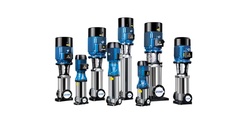
High-efficiency centrifugal pumps matched to duty points and fitted with variable frequency drives (VFDs) reduce both energy use and mechanical stress. VFDs allow ramping pressure to process needs and implementing soft-starts to minimize peak power demand. Use pump curves and system curve analysis during design, and avoid running pumps too far off their best-efficiency point.
Reduce hydraulic losses in piping and fittings
Minimize pressure drops by selecting appropriate pipe diameters, smooth fittings, and short piping runs. Each 0.1 bar saved in friction loss is direct energy saving at the high-pressure pump. During layout design for systems such as the AQUALITEK 4TPH Industrial Reverse Osmosis Water Purification RO System, keep feed and concentrate headers as direct as possible to limit losses.
Pre-treatment, Maintenance and Operational Best Practices
Effective pre-treatment to protect membranes
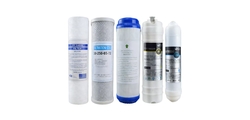
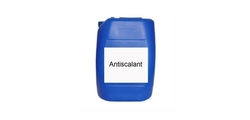
Scaling, fouling, and biofouling raise operating pressure and energy use. Robust pre-treatment (media filtration, cartridge filters, softening, antiscalant dosing) keeps trans-membrane pressure low and extends membrane runs. For example, ensuring correct silt density index (SDI) levels before RO reduces cleaning frequency and prevents unexpected energy spikes during operation.
Scheduled cleaning and predictive maintenance
Implement a predictive maintenance program using membrane performance indicators (flux, normalized permeate conductivity, pressure differentials). Timely clean-in-place (CIP) operations restore permeability and reduce SEC. Track membrane recovery over time to plan replacements rather than reacting to sudden performance drops that cause high energy usage.
Real-time monitoring and automation
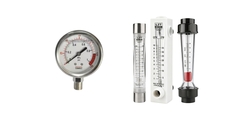
Use a distributed control system (DCS) or PLC with SCADA for continuous monitoring of feed conductivity, TMP (trans-membrane pressure), permeate flow and SEC. Automation enables setpoint-based control (e.g., maintain target permeate flow while minimizing pressure) and alarms for off-normal conditions. Data logging supports energy audits and trend analysis.
Water Management and Waste Minimization
Optimize recovery and brine management
Higher recovery reduces raw water consumption but can raise energy requirements and scaling risk. Evaluate concentrate handling and possibilities for reuse or further treatment (e.g., evaporation, crystallizers, or additional membrane stages). Reuse of concentrate in suitable processes reduces freshwater demand and overall site water footprint.
Implement recirculation and permeate storage strategies
Recirculation during low demand can prevent frequent startups and shutdowns that increase energy use. Proper permeate storage buffering allows RO to run at stable loads and reduces cycling. For batch processes, sizing the buffer tank to allow steady RO operation for several hours is often more energy-efficient than frequent stop-start cycles.
Evaluate hybrid solutions and waste heat recovery
In some plants, combining RO with other technologies (ultrafiltration pre-treatment, electrodialysis for brine reduction) or using waste heat to improve pretreatment or evaporation processes can improve site-level energy performance. Conduct a system-level energy integration study to find synergistic savings.
Quantifying Savings: Typical Energy Performance Comparison
Use the table below to compare typical specific energy consumption (SEC) and expected savings when applying energy recovery and best practices. Values are indicative; perform site-specific testing for accurate design.
| Scenario | Typical SEC (kWh/m3) | Estimated Energy Reduction vs Baseline |
|---|---|---|
| Baseline brackish RO (no ERD, average membranes) | 1.5–2.5 | — |
| Optimized membranes + VFDs + good pre-treatment | 1.0–1.8 | 10–30% |
| Baseline + ERD (pressure exchanger) | 0.8–1.2 | 30–60% |
| Full optimization (ERD + high-flux membranes + automation) | 0.5–1.0 | 40–70% |
For additional technical background on reverse osmosis principles and performance expectations, see authoritative references such as the WHO Water Quality guidelines and industry descriptions (WHO Guidelines for Drinking-water Quality), and the International Desalination Association (IDA).
Selecting and Optimizing the Right Equipment: AQUALITEK 4TPH Example
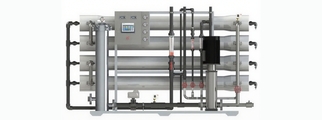
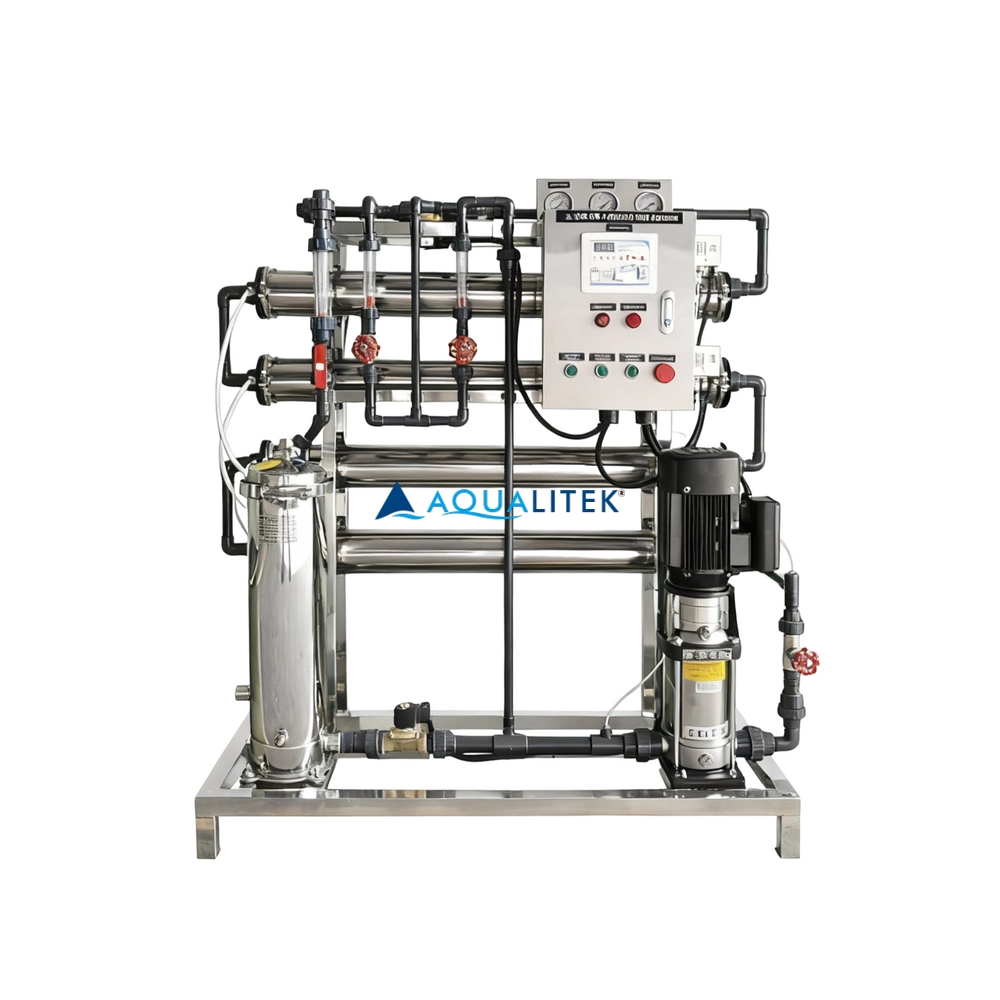
AQUALITEK 4TPH Industrial Reverse Osmosis Water Purification RO System is a high-efficiency industrial-grade RO plant designed for manufacturing & processing, particularly suited for electronic component cleaning water use. The system incorporates industry best practices when properly configured: modular skids for flexible operation, high-efficiency pumps and optional ERD integration, and configurable automation for real-time SEC tracking.
The practical steps to reduce energy consumption for a 4TPH system include:
- Right-sizing pumps and choosing VFDs for the high-pressure pump to avoid running at off-design points.
- Specifying high-flux, low-pressure membranes designed for your feedwater matrix.
- Including an ERD for systems with moderate-to-high recoveries to capture concentrate pressure energy.
- Implementing robust pre-treatment (multimedia filters, cartridge filtration, antiscalants) to minimize fouling and cleaning frequency.
- Using automation for load-following control and SEC reporting to validate savings over time.
System integrators and operators should consult standards and industry guidance when designing and commissioning RO plants. Associations like the American Water Works Association (AWWA) provide technical resources useful for design and operation decisions.
Practical Implementation Checklist
- Perform an energy audit and baseline SEC measurement (kWh/m3).
- Match module size and pump duty to expected operating range; avoid oversizing.
- Specify ERDs when payback is favorable (high recovery or high feed pressure).
- Install VFDs on major motors and implement soft-starts to reduce startup energy.
- Maintain strict pre-treatment and implement predictive maintenance for membranes.
- Use automation and logging for continuous improvement and verification of savings.
Frequently Asked Questions (FAQ)
Q1: How much energy can I expect to save by adding an energy recovery device?
A1: For brackish industrial RO, ERDs typically reduce the energy used by the high-pressure pump by 20–60%, depending on feedwater salinity, recovery rate, and system configuration. Site-specific analysis is required for precise estimates.
Q2: What is a good target for specific energy consumption (SEC) in industrial RO?
A2: Typical targets for brackish industrial RO are between 0.5 and 2.5 kWh/m3. With full optimization (efficient membranes, ERD, good pre-treatment, and automation) many plants achieve 0.5–1.0 kWh/m3.
Q3: Will higher recovery always save energy?
A3: Not necessarily. Higher recovery reduces water intake but can increase osmotic pressure and fouling risk, which may increase energy and cleaning needs. Balance recovery with membrane limits and pretreatment effectiveness.
Q4: How often should membranes be cleaned to maintain energy efficiency?
A4: Cleaning frequency depends on feedwater quality and system operation. Monitor normalized flux, TMP, and permeate quality; schedule CIP before significant flux decline. Predictive maintenance based on trending is more energy-efficient than fixed-interval cleaning.
Q5: Can an existing plant be retrofitted for better energy performance?
A5: Yes. Common retrofits include adding ERDs, replacing older membranes with high-flux low-pressure types, installing VFDs on pumps, improving pre-treatment, and adding automation and monitoring. A technical audit will identify the most cost-effective measures.
Q6: Is the AQUALITEK 4TPH suitable for electronic cleaning water?
A6: Yes. The AQUALITEK 4TPH Industrial Reverse Osmosis Water Purification RO System is designed for manufacturing and processing applications and is ideal for electronic component cleaning water when configured with appropriate pre-treatment and polishing steps to meet conductivity and ionic-specifications.
If you need tailored advice, system sizing, or a quote for the AQUALITEK 4TPH Industrial Reverse Osmosis Water Purification RO System, please contact our sales team or view the product details. For technical references, review the WHO guidelines (WHO), industry association resources (AWWA, IDA), and foundational background on reverse osmosis (Wikipedia).
How a Water Purification System Works: Simple Explanation
Top 10 Ultra filtration water system Manufacturers and Supplier Brands
How Commercial Reverse Osmosis Systems Improve Water Quality
Integrating carbon filtration with industrial wastewater processes
Solutions
Can I use AQT’s water treatment systems for seawater desalination?
Yes! We provide seawater desalination systems using advanced reverse osmosis (RO) technology, specifically designed to convert seawater into fresh, drinkable water. These systems are ideal for coastal communities, marine applications, and industrial desalination projects.
What industries does AQT serve?
We provide water treatment solutions for a wide range of industries, including:
1. Industrial Manufacturing – Process water treatment, cooling water, and boiler feed.
2. Hospitality & Commercial – Hotels, restaurants, and office buildings.
3. Residential Applications – Drinking water purification and softening.
4. Healthcare & Pharmaceuticals – Ultra-pure water for laboratories and hospitals.
5. Municipal & Public Utilities – Water supply and wastewater treatment.
6. Food & Beverage Processing – Filtration for beverage p
Blog
How long does a water softener system last?
Most systems last 10–15 years with proper maintenance. Resin beads may need replacement after 8–10 years.
FAQ-aqualitek
Does AQT provide technical support and after-sales service?
Yes! We offer comprehensive technical support, including installation guidance, troubleshooting, spare parts supply, and ongoing maintenance assistance. Our after-sales team is available to ensure your water treatment system operates efficiently.
Membrane Water Treatment Systems
Do you offer plug-and-play solutions?
Absolutely. We offer containerized membrane systems that are factory-tested, compact, and quick to deploy.
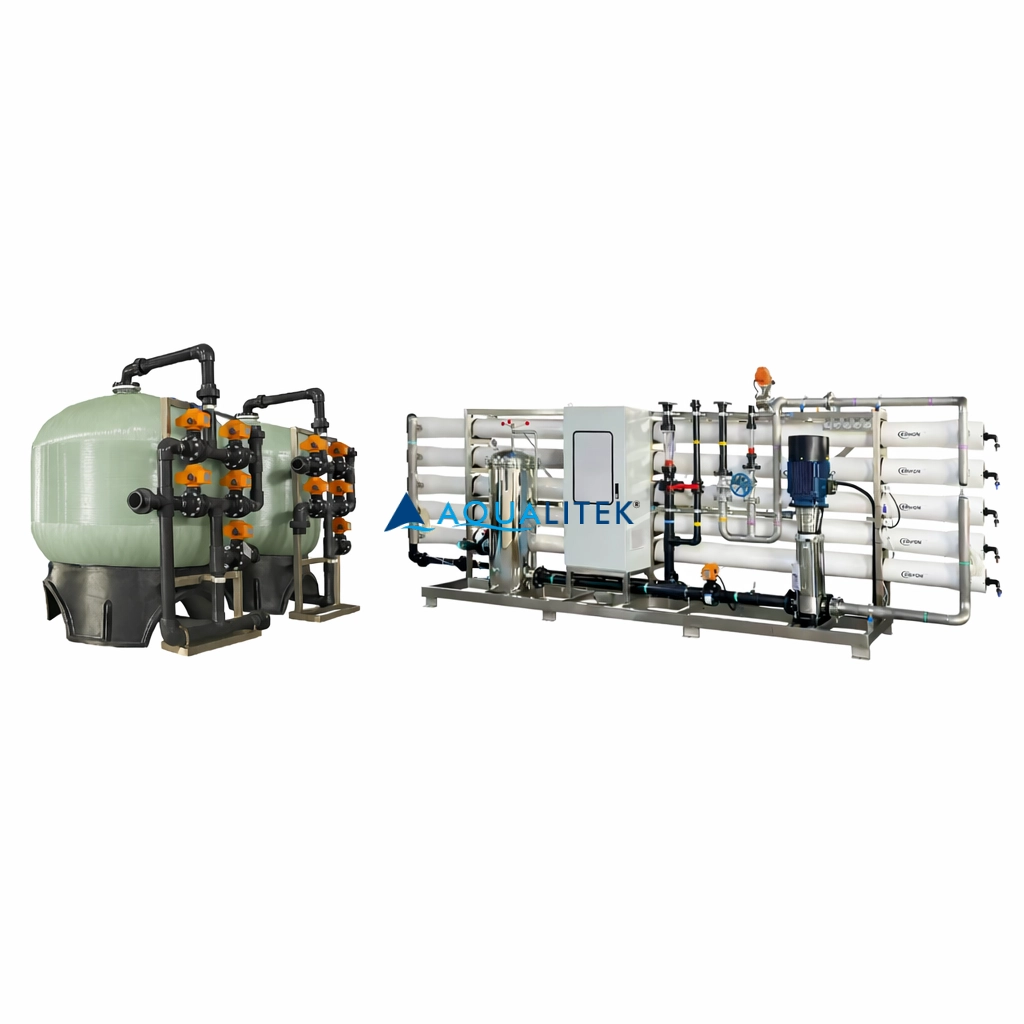
30TPH Industrial Reverse Osmosis (RO) System
30TPH Industrial Reverse Osmosis (RO) System designed for industrial and municipal water treatment. High salt rejection, energy-efficient design, PLC control, and customizable configuration.
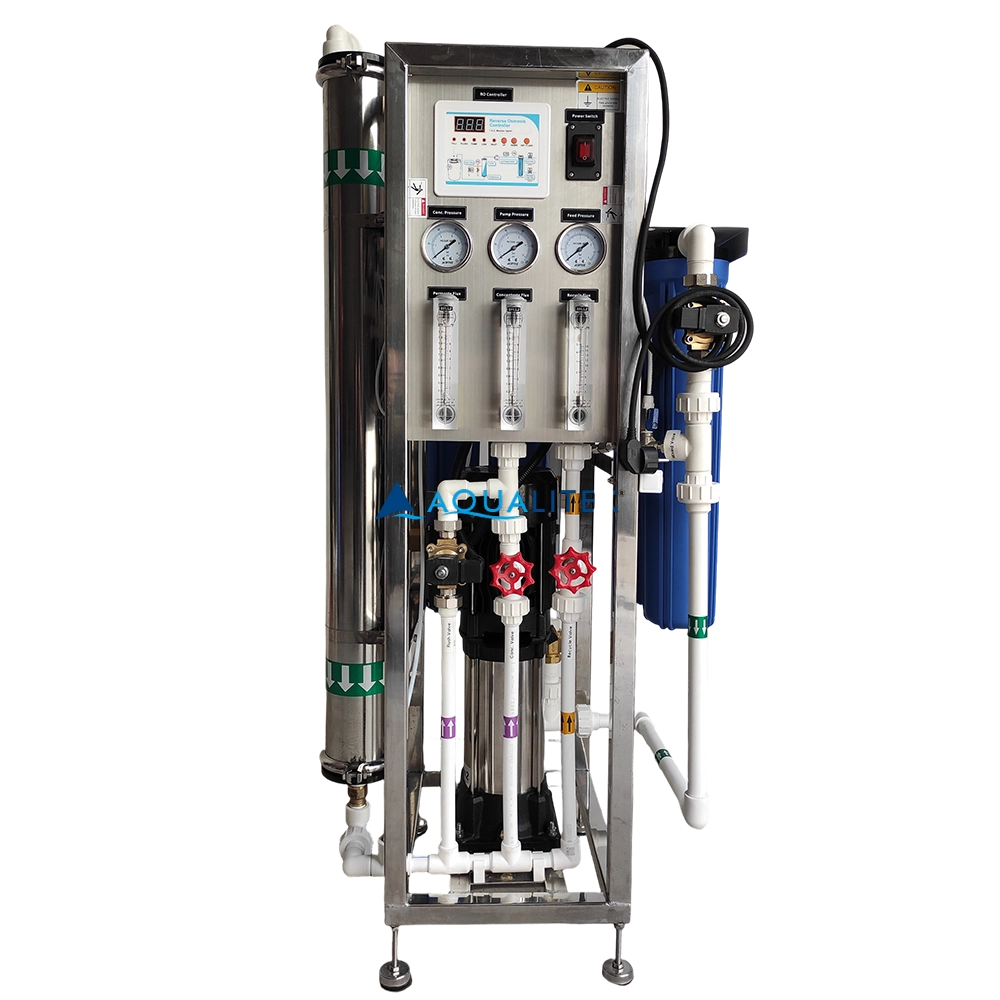
500 LPH Reverse Osmosis (RO) Water Purification Machine TWV - 412
Our 500 LPH Reverse Osmosis (RO) System is engineered to provide high-quality purified water for commercial applications. Designed with advanced RO technology, durable components, and a user-friendly interface, this system ensures consistent performance, low maintenance, and long-term reliability.
With its compact design and robust skid-mounted frame, it’s an excellent choice for businesses that demand efficiency and quality in water purification.
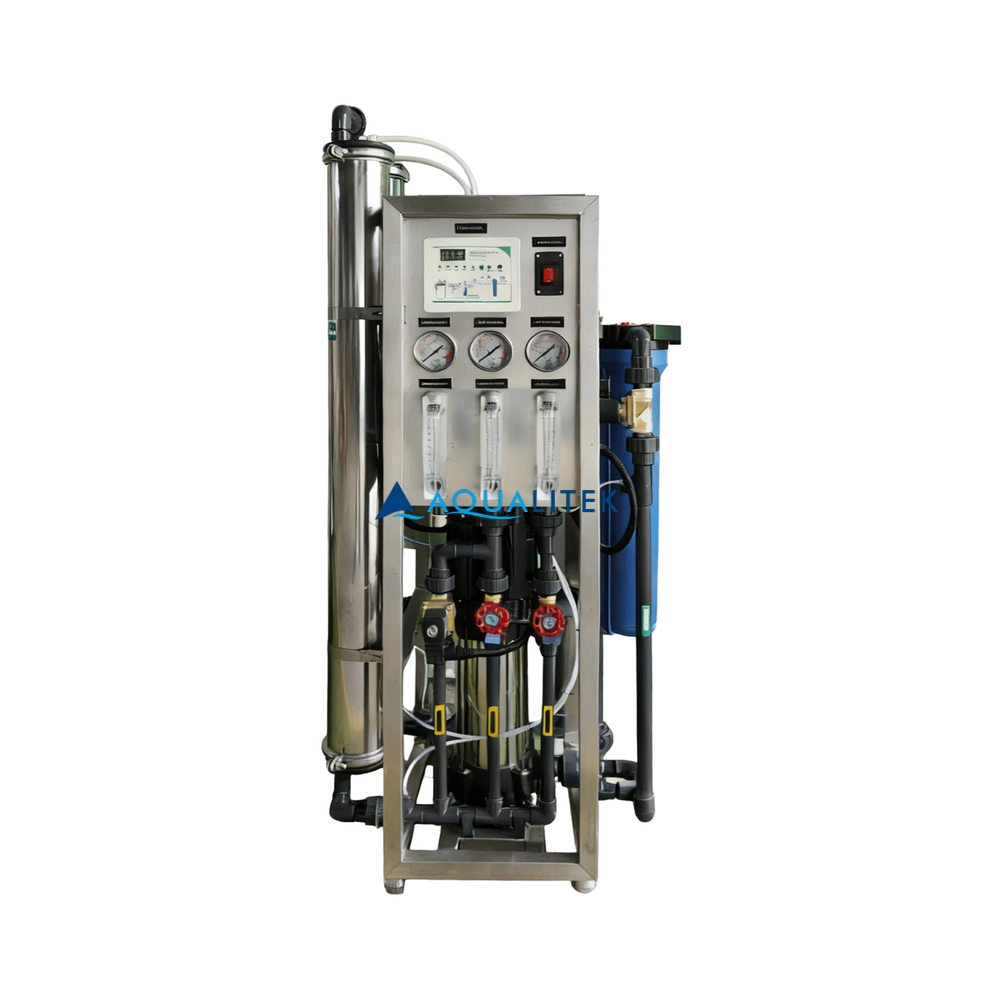
Tap Water Reverse Osmosis (TWRO) Systems TWV Series
TWV series Reverse Osmosis (RO) systems are pre-engineered and pre-assembled units with 2.5”/4” membrane housings(single element type)for tap water(lower TDS).They are designed for overall superior performance, high recovery rates and offer great savings with low maintenance and operation costs.
Tap Water Reverse Osmosis (TWRO) Systems TWF Series
TWF series Reverse Osmosis (RO) systems are pre-engineered and pre-assembled units with 4” membrane housings(multiple elements type) for tap water(lower TDS) .The medium large volumes can help meet your a variety of commercial and industrial applications. They are designed for overall superior performance, high recovery rates and offer great savings with low maintenance and operation costs.
Request More Information
Contact us today for product catalogs, customization options, and a free quotation designed for your business needs.
Rest assured that your privacy is important to us, and all information provided will be handled with the utmost confidentiality.
© 2026 AQUALITEK. All rights reserved.
AQUALITEK- Aimee Hoo
AQUALITEK - Aimee Hoo