



Can ultrafiltration water systems improve taste and odor of water? | Insights by AQUALITEK
- Understanding Ultrafiltration Water Systems
- How Do Ultrafiltration Systems Work?
- Do Ultrafiltration Systems Improve Water Taste and Odor?
- What Are the Benefits of Ultrafiltration Systems?
- Are There Any Limitations to Ultrafiltration Systems?
- How Do I Choose the Right Ultrafiltration System?
- Conclusion: Why Choose AQUALITEK Ultrafiltration Systems?
Understanding Ultrafiltration Water Systems
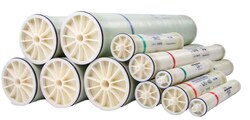
Ultrafiltration (UF) is a water purification process that utilizes a semipermeable membrane to filter out particles, bacteria, viruses, and other contaminants from water. The membrane's fine pores, typically around 0.01 microns, allow water molecules and small solutes to pass through while retaining larger particles. This process results in purified water suitable for various applications, including improving taste and odor.
How Do Ultrafiltration Systems Work?
In a UF system, water is forced through a membrane under pressure. As water passes through, contaminants larger than the membrane's pore size are retained, while purified water flows through. This method effectively removes suspended solids, bacteria, viruses, and other microorganisms, leading to cleaner and safer water.
Do Ultrafiltration Systems Improve Water Taste and Odor?
Yes, ultrafiltration systems can enhance the taste and odor of water. By removing suspended solids, bacteria, and other contaminants, UF systems reduce the presence of particles that can cause unpleasant tastes and odors. However, it's important to note that UF primarily targets physical contaminants and may not effectively remove dissolved substances responsible for taste and odor issues, such as chlorine or certain organic compounds. For comprehensive improvement in taste and odor, combining UF with additional filtration methods like activated carbon filters is recommended.
What Are the Benefits of Ultrafiltration Systems?
Effective Contaminant Removal: UF systems efficiently remove a wide range of contaminants, including bacteria, viruses, and suspended solids, resulting in high-quality purified water.
Chemical-Free Filtration: Unlike some traditional methods, UF does not require chemicals for the filtration process, making it environmentally friendly and reducing operational costs associated with chemical use.
Energy Efficiency: UF operates at lower pressures compared to methods like reverse osmosis, leading to reduced energy consumption.
Compact Design: UF systems are space-efficient, making them suitable for both small-scale and large-scale installations.
Long Membrane Life: With proper maintenance, UF membranes can have a long service life, reducing the need for frequent replacements.
Are There Any Limitations to Ultrafiltration Systems?
While UF systems offer numerous advantages, they have certain limitations:
Limited Chemical Removal: UF is not effective in removing dissolved chemicals, heavy metals, or salts. For comprehensive chemical contaminant removal, additional treatment methods like activated carbon filters or reverse osmosis are necessary.
Membrane Fouling: Over time, organic matter and particles can accumulate on membrane surfaces, requiring regular cleaning to maintain efficiency.
Higher Initial Cost: UF systems typically have a higher upfront cost compared to conventional filtration methods, though operating costs are often lower over time due to reduced chemical use.
How Do I Choose the Right Ultrafiltration System?
When selecting a UF system, consider the following factors:
Water Quality: Assess the specific contaminants present in your water supply to ensure the UF system meets your purification needs.
Flow Rate Requirements: Determine the required flow rate to ensure the system can handle your household or business water usage.
Maintenance Needs: Evaluate the maintenance requirements, including cleaning schedules and membrane replacement intervals, to ensure the system aligns with your capabilities.
Budget Considerations: Consider both the initial investment and long-term operational costs to choose a system that offers the best value.
Conclusion: Why Choose AQUALITEK Ultrafiltration Systems?
AQUALITEK offers advanced ultrafiltration systems designed to provide high-quality purified water. Our systems are engineered for efficiency, durability, and ease of maintenance, ensuring long-term performance. With a focus on customer satisfaction and environmental sustainability, AQUALITEK is committed to delivering water treatment solutions that enhance your water quality and overall well-being.
For more information on our ultrafiltration systems and how they can improve your water quality, visit our website or contact our customer service team today.



Request More Information or Expert Advice
Share a few details, and we’ll provide deeper insights, tailored suggestions, or product support.
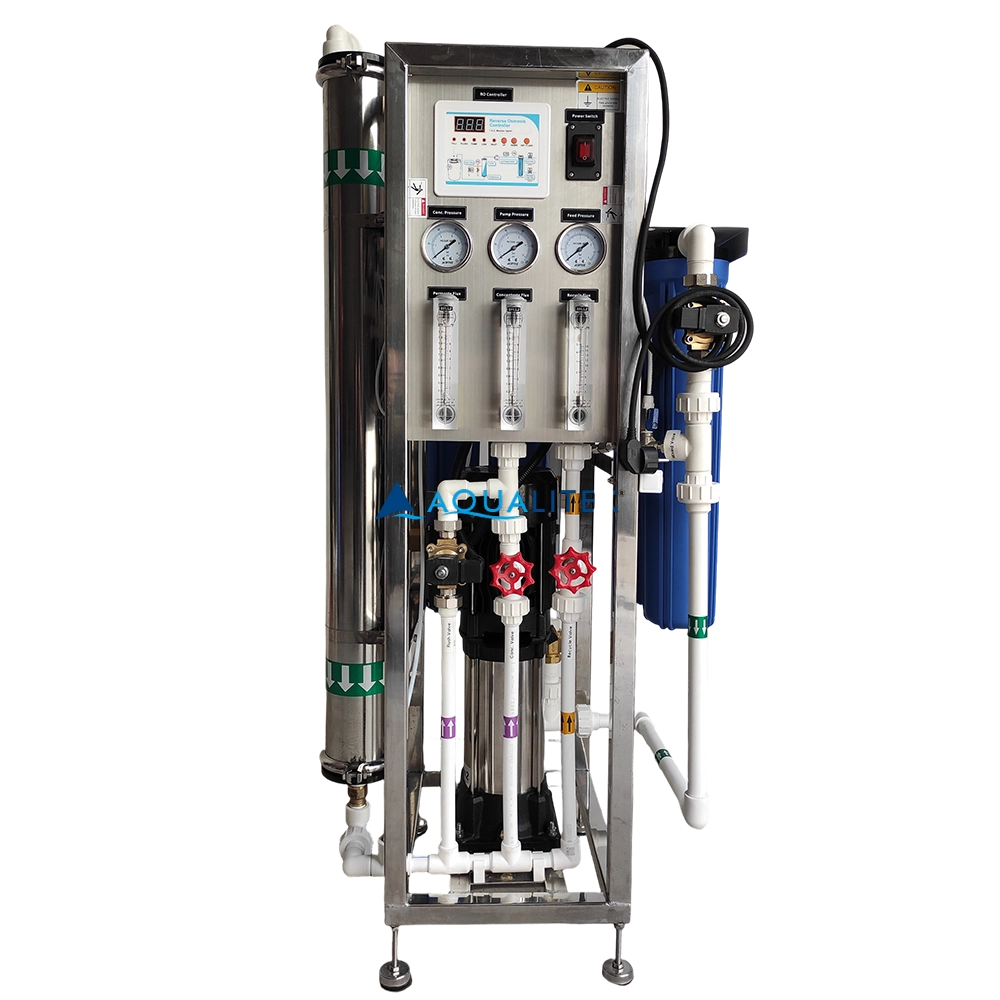
Our 500 LPH Reverse Osmosis (RO) System is engineered to provide high-quality purified water for commercial applications. Designed with advanced RO technology, durable components, and a user-friendly interface, this system ensures consistent performance, low maintenance, and long-term reliability.
With its compact design and robust skid-mounted frame, it’s an excellent choice for businesses that demand efficiency and quality in water purification.
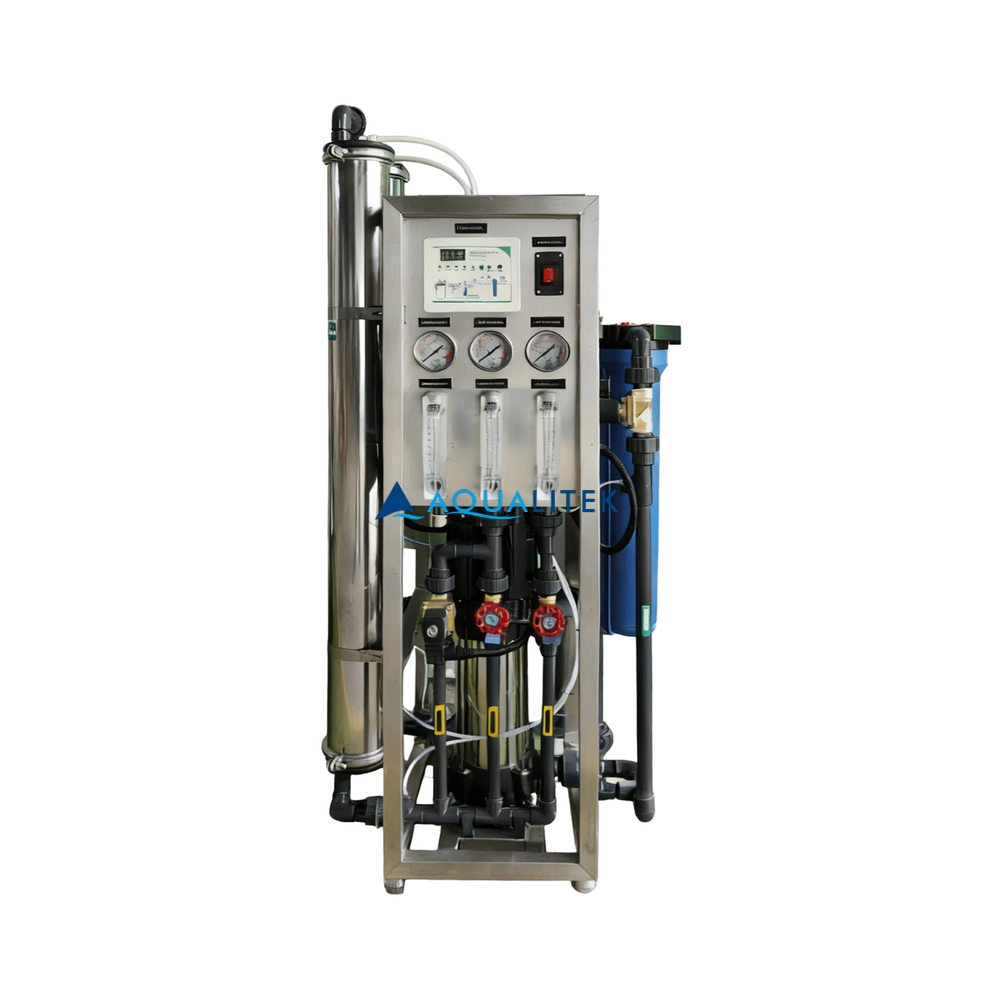
TWV series Reverse Osmosis (RO) systems are pre-engineered and pre-assembled units with 2.5”/4” membrane housings(single element type)for tap water(lower TDS).They are designed for overall superior performance, high recovery rates and offer great savings with low maintenance and operation costs.
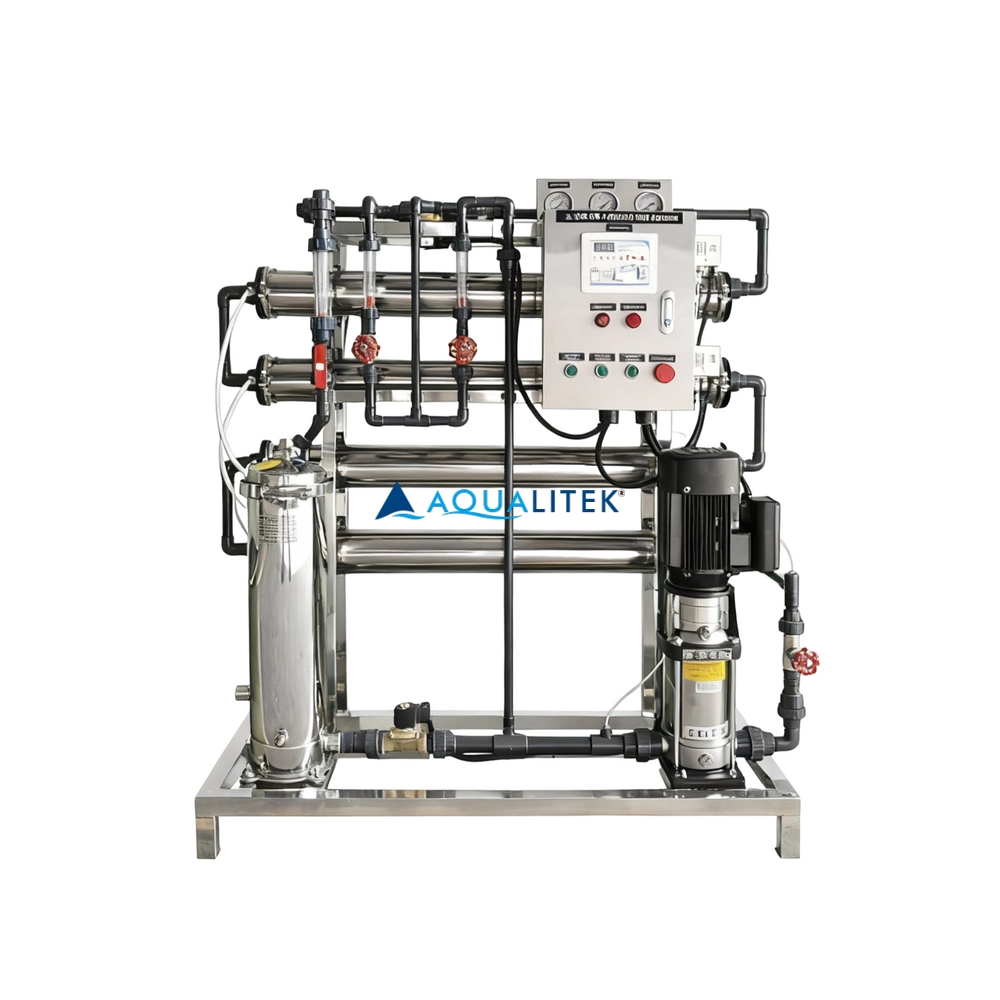
TWF series Reverse Osmosis (RO) systems are pre-engineered and pre-assembled units with 4” membrane housings(multiple elements type) for tap water(lower TDS) .The medium large volumes can help meet your a variety of commercial and industrial applications. They are designed for overall superior performance, high recovery rates and offer great savings with low maintenance and operation costs.

TWE series Reverse Osmosis (RO) systems are pre-engineered and pre-assembled units with 8” membrane housings for tap water (lower TDS). The large volumes can help meet your a variety of industrial applications. They are designed for overall superior performance, high recovery rates and offer great savings with low maintenance and operation costs.
© 2026 AQUALITEK. All rights reserved.
AQUALITEK- Aimee Hoo
AQUALITEK - Aimee Hoo