



What maintenance is required for home ultrafiltration systems vs industrial ones? | Insights by AQUALITEK
- Maintenance Requirements for Home vs. Industrial Ultrafiltration Systems
- 1. What are the primary maintenance tasks for home ultrafiltration systems?
- 2. How does maintenance differ for industrial ultrafiltration systems?
- 3. What are the common challenges in maintaining ultrafiltration systems?
- 4. How can these challenges be mitigated?
- 5. What are the operational considerations for ultrafiltration systems?
- 6. How does AQUALITEK address these maintenance needs?
Maintenance Requirements for Home vs. Industrial Ultrafiltration Systems
Ultrafiltration (UF) systems are essential for providing clean and safe water by effectively removing contaminants. However, the maintenance requirements for home and industrial UF systems differ significantly due to variations in capacity, usage, and operational conditions. Understanding these differences is crucial for ensuring optimal performance and extending the lifespan of the equipment.
1. What are the primary maintenance tasks for home ultrafiltration systems?
For residential UF systems, maintenance primarily involves:
Regular Cleaning: Periodic cleaning of the membranes is essential to prevent fouling caused by organic matter, scaling, and particulate accumulation. The cleaning frequency depends on water quality and usage but typically ranges from every 6 months to a year.
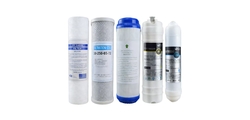
Filter Replacement: Carbon filters, often used in conjunction with UF membranes, should be replaced at least once a year to maintain water quality.
System Inspections: Routine checks for leaks, wear, and performance testing help identify issues early and ensure the system operates efficiently.
2. How does maintenance differ for industrial ultrafiltration systems?
Industrial UF systems require more complex maintenance due to higher capacities and continuous operation:
Advanced Cleaning Protocols: Cleaning procedures may involve chemical agents like citric acid for scaling removal and alkaline detergents for organic fouling. The cleaning process can last from 40 minutes to several hours, depending on the severity of fouling.
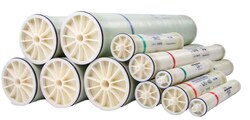
Membrane Replacement: Membranes in industrial systems have a service life of 3–5 years but may need replacement sooner if fouling is severe or cleaning is inadequate.
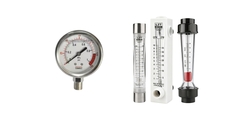
Operational Monitoring: Continuous monitoring of parameters such as transmembrane pressure (TMP), permeate flux rate, and recovery rate is vital to detect performance degradation and adjust maintenance schedules accordingly.
3. What are the common challenges in maintaining ultrafiltration systems?
Common challenges include:
Fouling and Clogging: Accumulation of suspended solids, organic matter, and microorganisms can reduce membrane permeability and filtration efficiency.
Chemical Exposure: Exposure to harsh chemicals or oxidizing agents can degrade membrane materials.
Operational Variability: Fluctuations in feed water quality and operational conditions can impact system performance.
4. How can these challenges be mitigated?
Mitigation strategies involve:
Regular Cleaning: Establishing a cleaning schedule based on feed water quality and system performance.
Pre-Treatment: Implementing pre-filtration stages to remove large particles and reduce fouling potential.
Monitoring: Continuously monitoring system parameters to detect early signs of issues and adjust maintenance practices accordingly.
5. What are the operational considerations for ultrafiltration systems?
Key operational considerations include:
Feed Water Quality: Regular analysis of feed water for turbidity, organics, hardness, and microbiological load.
Cleaning Procedures: Using appropriate cleaning chemicals and following manufacturer guidelines to restore membrane permeability.
System Design: Ensuring the system is designed to handle expected feed water characteristics and operational conditions.
6. How does AQUALITEK address these maintenance needs?
AQUALITEK offers comprehensive solutions to address the maintenance needs of both home and industrial ultrafiltration systems. Our services include:
Customized Maintenance Plans: Tailored maintenance schedules based on system usage and water quality.
High-Quality Components: Providing durable membranes and filters to extend system lifespan.
Expert Support: Offering professional installation, maintenance, and troubleshooting services to ensure optimal system performance.
By choosing AQUALITEK, you can ensure your ultrafiltration system operates efficiently, providing clean and safe water for your needs.


Request More Information or Expert Advice
Share a few details, and we’ll provide deeper insights, tailored suggestions, or product support.
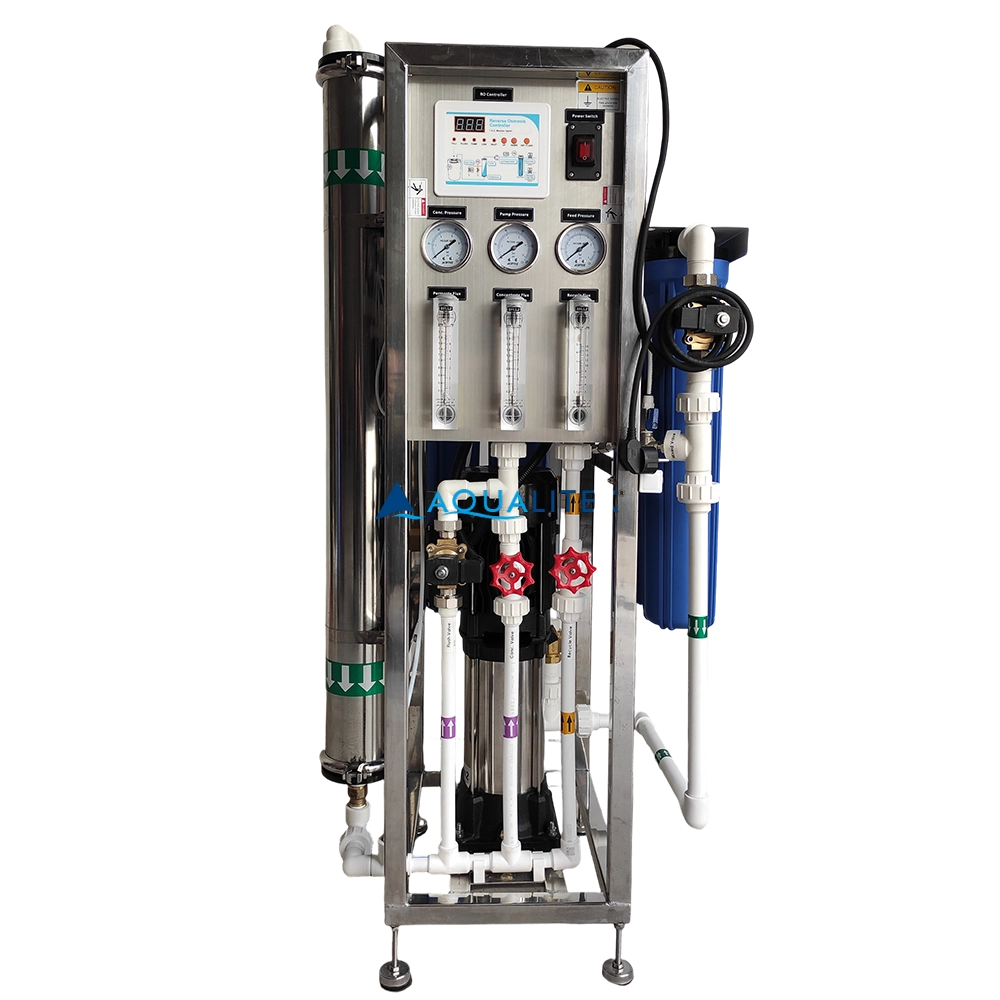
Our 500 LPH Reverse Osmosis (RO) System is engineered to provide high-quality purified water for commercial applications. Designed with advanced RO technology, durable components, and a user-friendly interface, this system ensures consistent performance, low maintenance, and long-term reliability.
With its compact design and robust skid-mounted frame, it’s an excellent choice for businesses that demand efficiency and quality in water purification.
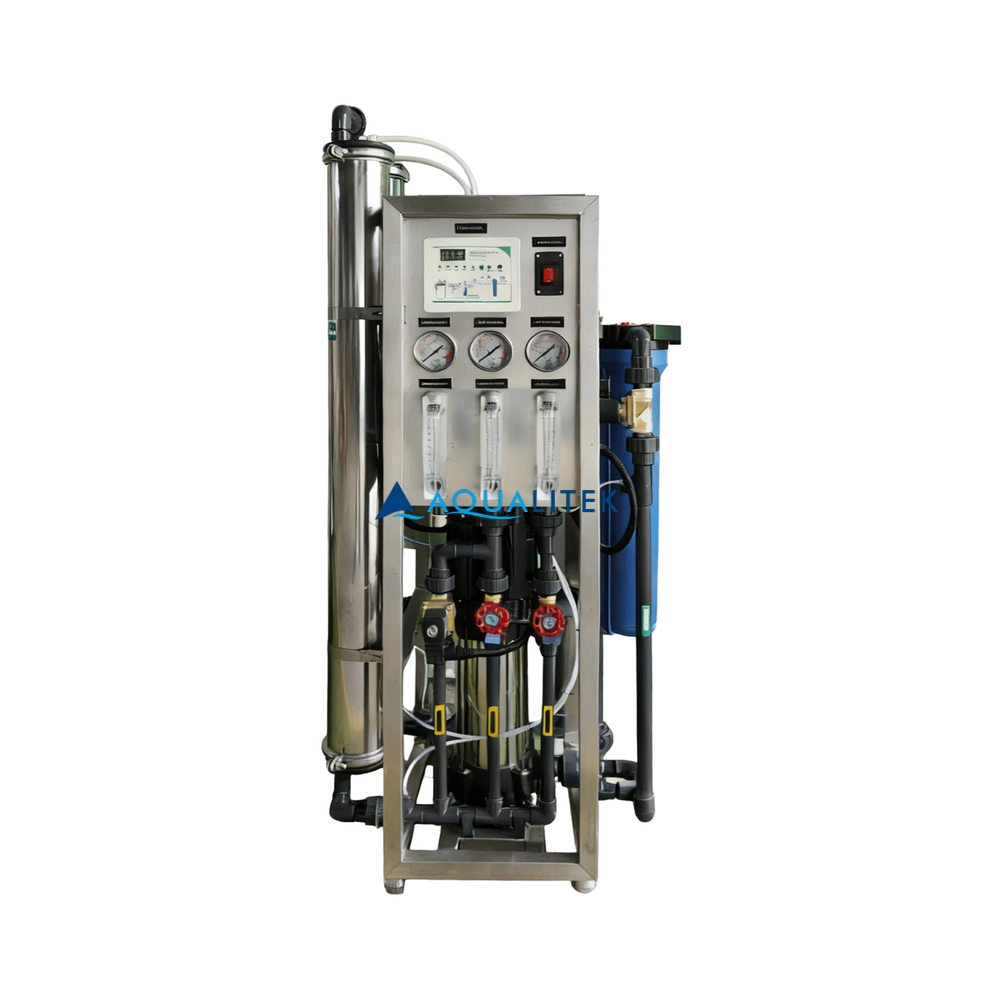
TWV series Reverse Osmosis (RO) systems are pre-engineered and pre-assembled units with 2.5”/4” membrane housings(single element type)for tap water(lower TDS).They are designed for overall superior performance, high recovery rates and offer great savings with low maintenance and operation costs.
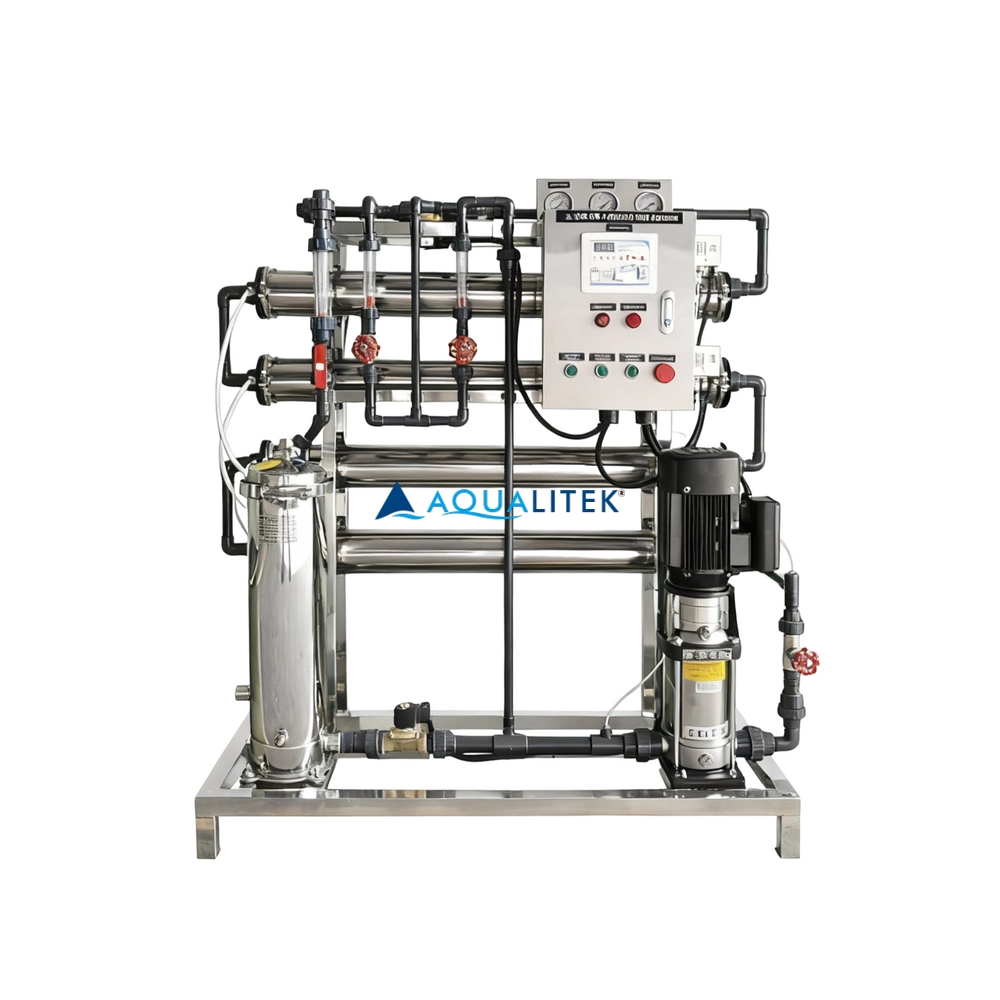
TWF series Reverse Osmosis (RO) systems are pre-engineered and pre-assembled units with 4” membrane housings(multiple elements type) for tap water(lower TDS) .The medium large volumes can help meet your a variety of commercial and industrial applications. They are designed for overall superior performance, high recovery rates and offer great savings with low maintenance and operation costs.

TWE series Reverse Osmosis (RO) systems are pre-engineered and pre-assembled units with 8” membrane housings for tap water (lower TDS). The large volumes can help meet your a variety of industrial applications. They are designed for overall superior performance, high recovery rates and offer great savings with low maintenance and operation costs.
© 2026 AQUALITEK. All rights reserved.
AQUALITEK- Aimee Hoo
AQUALITEK - Aimee Hoo