


What is recovery rate and how to improve it in RO?
Reverse osmosis (RO) systems are pivotal in water purification, offering efficient solutions across various industries. Understanding their operation, particularly the recovery rate, is crucial for optimizing performance and ensuring water quality.
What is the Recovery Rate in Reverse Osmosis Systems?
The recovery rate in an RO system refers to the percentage of feedwater converted into purified permeate. For instance, a 70% recovery rate means that 70% of the incoming water is purified, while the remaining 30% is discharged as concentrate. This metric is vital for assessing system efficiency and operational costs.
How Does Recovery Rate Affect System Performance?
Increasing the recovery rate can enhance water utilization and reduce waste. However, higher recovery rates also concentrate impurities in the reject stream, leading to potential scaling and fouling on membrane surfaces. This can result in increased differential pressure, reduced permeate flow, and higher energy consumption.
What Are Typical Recovery Rates for Different Applications?
Recovery rates vary based on the application and feedwater quality:
Seawater Desalination: Approximately 35-50% recovery due to high fouling potential and increased salinity.
Brackish Water: 60-80% recovery is common.
Industrial Process Water: 70-85% recovery rates possible with proper pre-treatment.
Food and Beverage: Typically around 50-75%, optimized for consistent water quality.
How Can Recovery Rates Be Optimized?
Optimizing recovery rates involves balancing water production efficiency with membrane health:
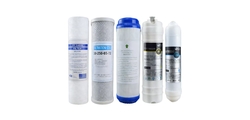
Feedwater Pretreatment: Implementing effective pre-treatment processes, such as filtration and chemical dosing, can reduce fouling and scaling, allowing for higher recovery rates.
Advanced Membrane Technology: Utilizing membranes with improved permeability and fouling resistance can enhance recovery without compromising performance.
System Configuration: Employing strategies like concentrate recirculation and multi-stage designs can help achieve higher recovery rates while managing fouling risks.
What Are Common Challenges in Achieving High Recovery Rates?
Pursuing higher recovery rates can lead to several challenges:
Scaling and Fouling: Elevated recovery rates increase the concentration of dissolved salts, leading to scaling and fouling on membrane surfaces, which can degrade performance and shorten membrane lifespan.
Increased Energy Consumption: To maintain higher recovery rates, systems may require higher operating pressures, resulting in increased energy usage.
Operational Costs: Managing higher recovery rates may necessitate more frequent maintenance and cleaning, adding to operational expenses.
How Do Recovery Rates Impact Water Quality?
While higher recovery rates can improve water efficiency, they may also affect water quality:
Concentration of Contaminants: Higher recovery rates can lead to increased concentrations of contaminants in the permeate, potentially affecting water quality.
Membrane Performance: Excessive recovery rates can reduce membrane performance and lifespan due to increased fouling and scaling.
How Can AQUALITEK Enhance Your Reverse Osmosis System Performance?
AQUALITEK offers advanced RO system solutions designed to optimize recovery rates while maintaining water quality:
Innovative Membrane Technology: AQUALITEK's membranes are engineered for high permeability and fouling resistance, enabling higher recovery rates without compromising performance.
Comprehensive Pre-Treatment Solutions: AQUALITEK provides integrated pre-treatment systems to minimize fouling and scaling, supporting efficient RO operations.
Customized System Configurations: AQUALITEK designs RO systems tailored to specific application needs, balancing recovery rates with operational efficiency.
By partnering with AQUALITEK, you can enhance your water treatment processes, achieving optimal recovery rates and superior water quality.


Request More Information or Expert Advice
Share a few details, and we’ll provide deeper insights, tailored suggestions, or product support.
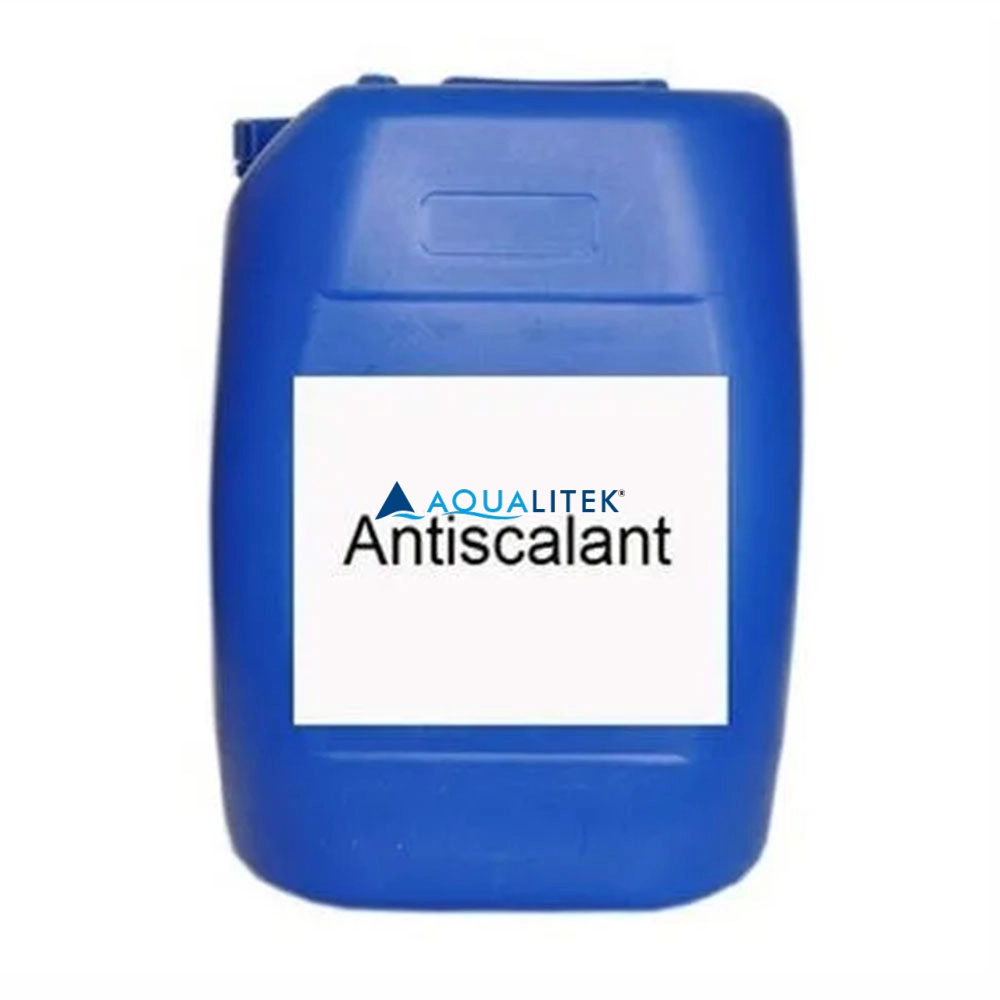
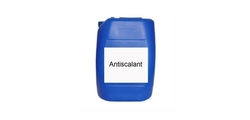
Anti-Scalant is a specialized water treatment chemical designed to prevent the formation of scale in reverse osmosis (RO) systems. Scaling is a common issue in RO systems, where minerals like calcium, magnesium, and silica precipitate and form hard deposits on the membrane surface. These deposits can clog the membranes, reduce water production efficiency, and increase operational costs.
RO chemical anti-scalants work by inhibiting the crystallization of scale-forming minerals, effectively keeping them in solution and preventing them from adhering to the membrane. This ensures the longevity and optimal performance of the RO system.
Anti-scalants are essential in applications with hard water or high mineral content, such as in industrial, municipal, and desalination plants.
These chemicals are highly effective in preventing scaling caused by common minerals such as calcium carbonate, calcium sulfate, barium sulfate, and silica, helping to extend the lifespan of the membranes, reduce cleaning cycles, and enhance system efficiency.
By incorporating an RO chemical anti-scalant into your water treatment process, you can improve the reliability and overall performance of your reverse osmosis system, ensuring consistent, high-quality water output while minimizing maintenance costs.
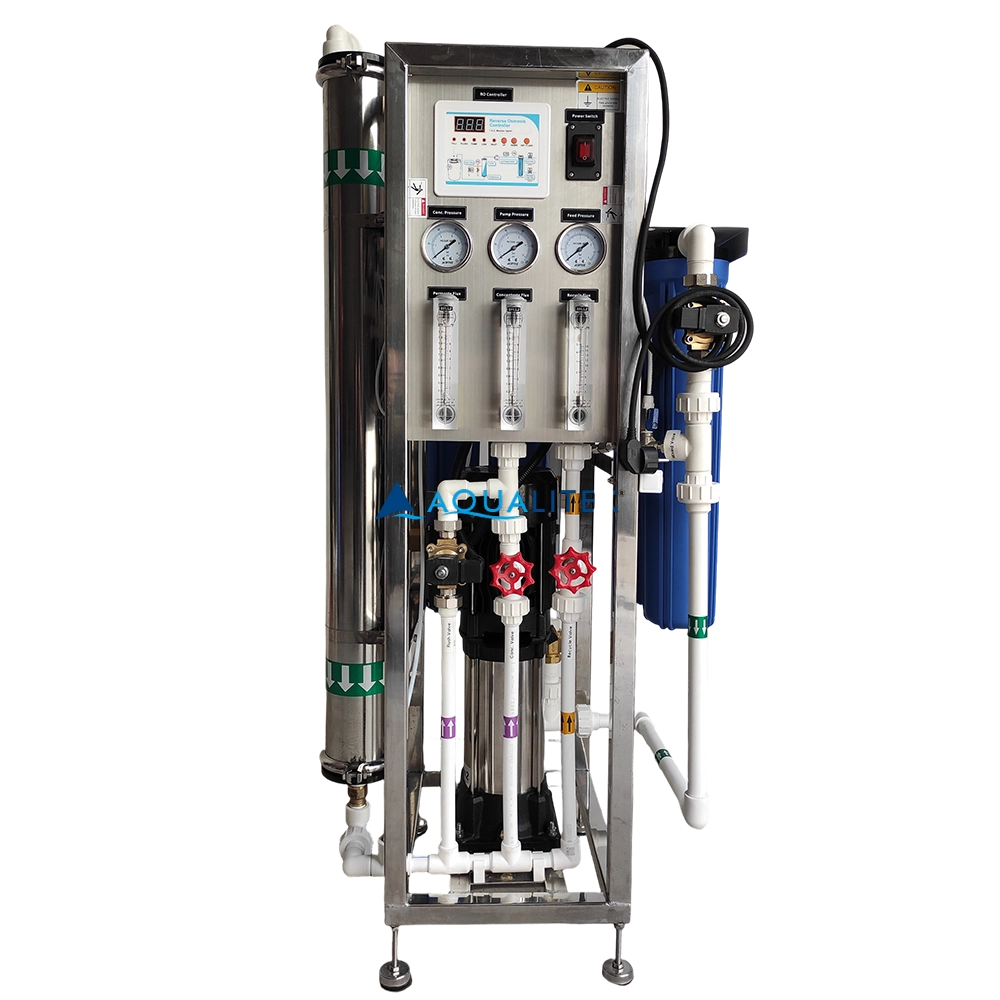
Our 500 LPH Reverse Osmosis (RO) System is engineered to provide high-quality purified water for commercial applications. Designed with advanced RO technology, durable components, and a user-friendly interface, this system ensures consistent performance, low maintenance, and long-term reliability.
With its compact design and robust skid-mounted frame, it’s an excellent choice for businesses that demand efficiency and quality in water purification.
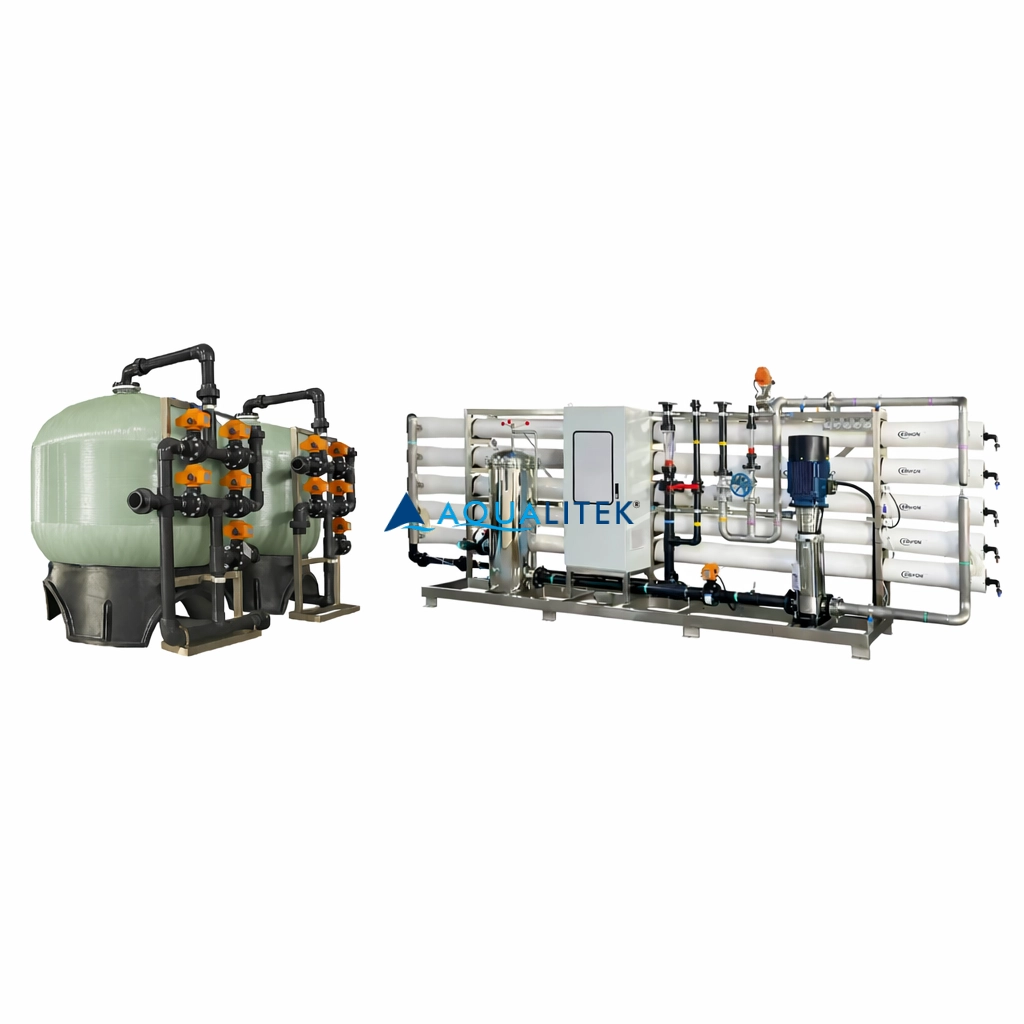
30TPH Industrial Reverse Osmosis (RO) System designed for industrial and municipal water treatment. High salt rejection, energy-efficient design, PLC control, and customizable configuration.
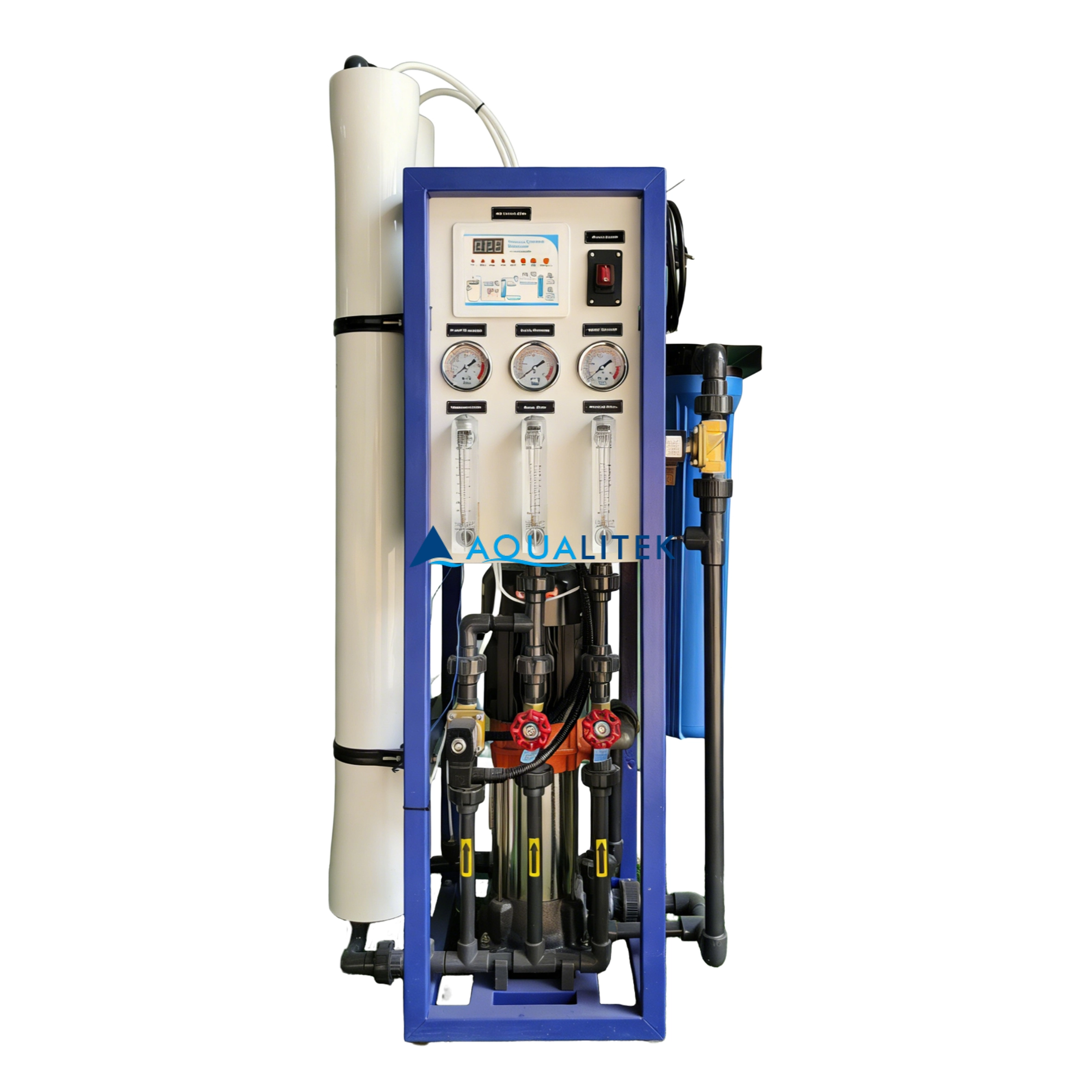
AQUALITEK's 500LPH Panel Mounted Reverse Osmosis Water Purification System delivers reliable 500 LPH RO water production. This compact industrial reverse osmosis unit is ideal for small scale industrial RO needs, ensuring efficient and high-quality purified water in a space-saving design.
© 2026 AQUALITEK. All rights reserved.
AQUALITEK- Aimee Hoo
AQUALITEK - Aimee Hoo