




How to implement automated control for RO systems?
- Understanding Reverse Osmosis Systems and Automated Control Implementation
- 1. What are the common issues faced by reverse osmosis systems?
- 2. How can automated control systems improve RO system performance?
- 3. What components are essential for automating an RO system?
- 4. How does automated control address membrane fouling and scaling?
- 5. What are the benefits of integrating PLC and SCADA systems in RO plants?
- 6. How can automated control systems reduce operational costs?
- 7. What are the challenges in implementing automated control in RO systems?
- 8. How does AQUALITEK enhance RO system performance?
Understanding Reverse Osmosis Systems and Automated Control Implementation
Reverse osmosis (RO) systems are essential in water treatment, providing purified water by removing contaminants through a semipermeable membrane. Implementing automated control in RO systems enhances efficiency, reliability, and water quality. Below are common questions and answers to guide users in purchasing and optimizing RO systems.
1. What are the common issues faced by reverse osmosis systems?
RO systems may encounter several challenges, including:
Membrane Fouling: Accumulation of contaminants on the membrane surface, leading to reduced efficiency.
Scaling: Mineral deposits forming on membranes, causing blockages and decreased performance.
Leaks: Faulty seals or connections resulting in water loss and potential system damage.
Pressure Drops: Reduced pressure affecting water flow and purification capacity.
Chemical Dosing Errors: Incorrect chemical dosing leading to membrane damage or inadequate cleaning.
2. How can automated control systems improve RO system performance?
Automated control systems enhance RO performance by:
Real-Time Monitoring: Continuous tracking of parameters like pressure, flow rates, and water quality.
Adaptive Control: Adjusting operational settings in response to changing feed water quality and system conditions.
Predictive Maintenance: Identifying potential issues before they lead to system failures, reducing downtime.
Energy Efficiency: Optimizing energy consumption through precise control of pumps and valves.
3. What components are essential for automating an RO system?
Key components include:
Programmable Logic Controllers (PLCs): Central units that execute control logic and manage system operations.
Supervisory Control and Data Acquisition (SCADA) Systems: Interfaces for real-time monitoring and control.
Sensors and Analyzers: Devices measuring parameters like pressure, flow, conductivity, and pH levels.
Actuators: Components such as control valves and dosing pumps that execute control actions.
4. How does automated control address membrane fouling and scaling?
Automated control systems mitigate fouling and scaling by:
Monitoring Water Quality: Detecting changes in feed water composition that may lead to fouling or scaling.
Adjusting Chemical Dosing: Modifying chemical treatments based on real-time data to prevent deposits.
Scheduling Cleaning Cycles: Initiating cleaning processes at optimal times to maintain membrane performance.
5. What are the benefits of integrating PLC and SCADA systems in RO plants?
Integrating PLC and SCADA systems offers:
Centralized Control: Unified management of all plant operations.
Enhanced Data Visualization: Clear representation of system status and performance metrics.
Improved Decision-Making: Access to comprehensive data for informed operational choices.
Scalability: Ease of expanding the system to accommodate future needs.
6. How can automated control systems reduce operational costs?
Automated control systems reduce costs by:
Optimizing Energy Use: Adjusting operations to minimize energy consumption.
Reducing Chemical Usage: Ensuring precise chemical dosing to prevent waste.
Minimizing Downtime: Predicting and preventing equipment failures to maintain continuous operation.
7. What are the challenges in implementing automated control in RO systems?
Challenges include:
System Complexity: Integrating various components and technologies.
High Initial Investment: Costs associated with purchasing and installing automation equipment.
Training Requirements: Ensuring staff are proficient in operating and maintaining automated systems.
8. How does AQUALITEK enhance RO system performance?
AQUALITEK offers advanced RO systems with integrated automated control features, including:
Real-Time Monitoring: Continuous tracking of critical parameters for optimal performance.
Adaptive Control Algorithms: Adjusting operations based on real-time data to maintain water quality.
Predictive Maintenance Tools: Identifying potential issues before they lead to system failures.
Energy Efficiency Optimization: Reducing operational costs through precise control of system components.
By choosing AQUALITEK, users benefit from reliable, efficient, and high-quality RO systems tailored to meet diverse water treatment needs.
References:
"Advanced control system for reverse osmosis optimization in water reuse systems." ScienceDirect. (https://www.sciencedirect.com/science/article/pii/S0011916421003556)
"Automation and process control of reverse osmosis plants using soft computing methodologies." ScienceDirect. (https://www.sciencedirect.com/science/article/abs/pii/S0011916401001382)
"Automated Control System for Sea Water RO Plant Using PLC & SCADA Integration." Automations Xpert. (https://automationsxpert.com/automated-control-system-for-sea-water-ro-plant-using-plc-scada-integration/)
"How to Automate Industrial RO Plant Operations." Netsol Water. (https://www.netsolwater.com/how-to-automate-industrial-ro-plant-operations.php?blog=6184)
"Knowing the Key Concepts of Industrial RO Plant Automation." Trity Enviro. (https://trityenviro.com/bd/knowing-the-key-concepts-of-industrial-ro-plant-automation/)
"Reverse Osmosis System Troubleshooting." YouTube. (https://www.youtube.com/watch?v=mA1KQTKDDf8)



Request More Information or Expert Advice
Share a few details, and we’ll provide deeper insights, tailored suggestions, or product support.
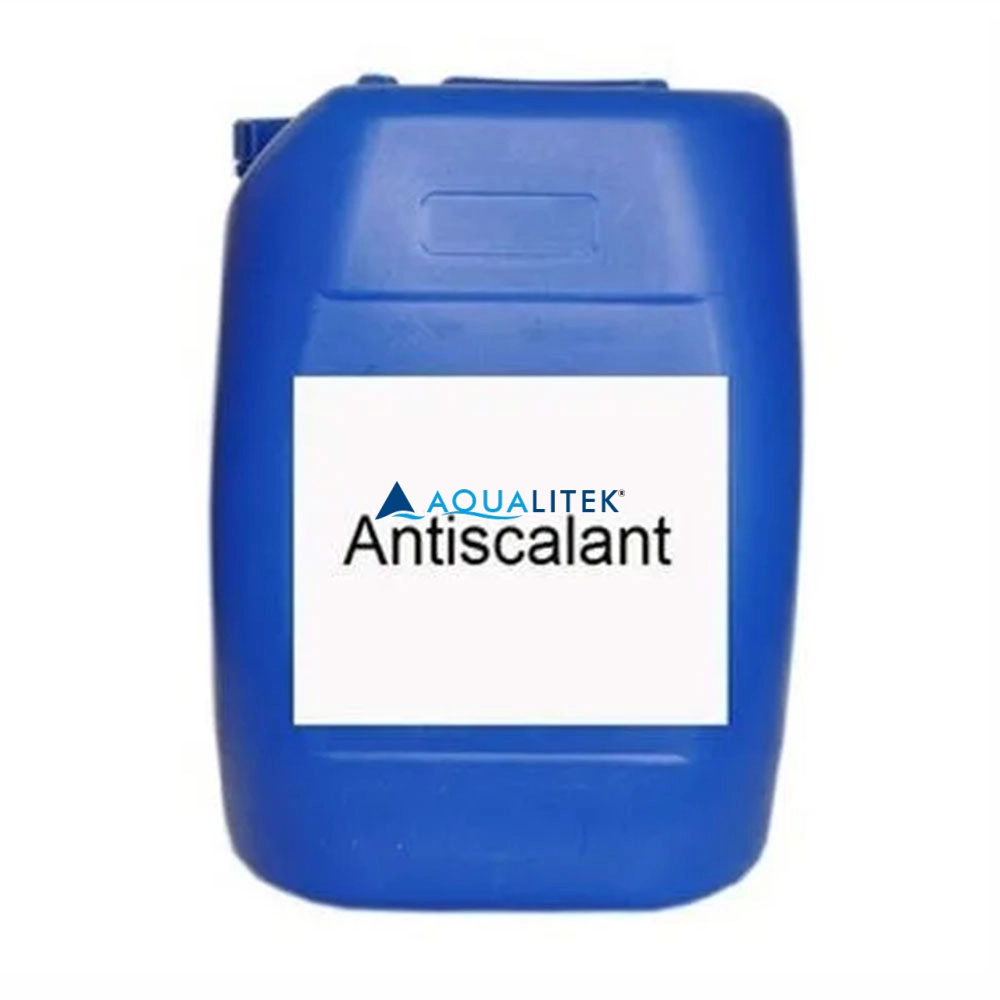
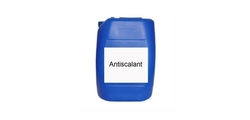
Anti-Scalant is a specialized water treatment chemical designed to prevent the formation of scale in reverse osmosis (RO) systems. Scaling is a common issue in RO systems, where minerals like calcium, magnesium, and silica precipitate and form hard deposits on the membrane surface. These deposits can clog the membranes, reduce water production efficiency, and increase operational costs.
RO chemical anti-scalants work by inhibiting the crystallization of scale-forming minerals, effectively keeping them in solution and preventing them from adhering to the membrane. This ensures the longevity and optimal performance of the RO system.
Anti-scalants are essential in applications with hard water or high mineral content, such as in industrial, municipal, and desalination plants.
These chemicals are highly effective in preventing scaling caused by common minerals such as calcium carbonate, calcium sulfate, barium sulfate, and silica, helping to extend the lifespan of the membranes, reduce cleaning cycles, and enhance system efficiency.
By incorporating an RO chemical anti-scalant into your water treatment process, you can improve the reliability and overall performance of your reverse osmosis system, ensuring consistent, high-quality water output while minimizing maintenance costs.
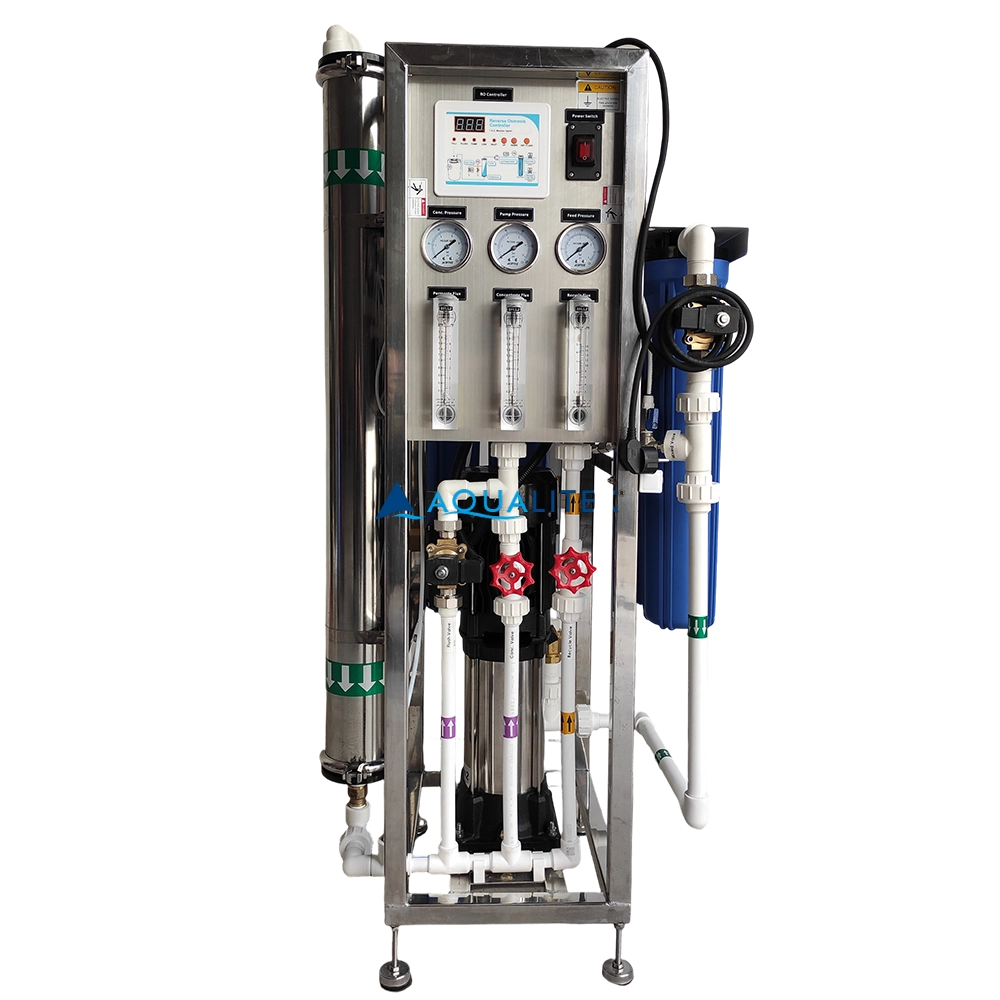
Our 500 LPH Reverse Osmosis (RO) System is engineered to provide high-quality purified water for commercial applications. Designed with advanced RO technology, durable components, and a user-friendly interface, this system ensures consistent performance, low maintenance, and long-term reliability.
With its compact design and robust skid-mounted frame, it’s an excellent choice for businesses that demand efficiency and quality in water purification.
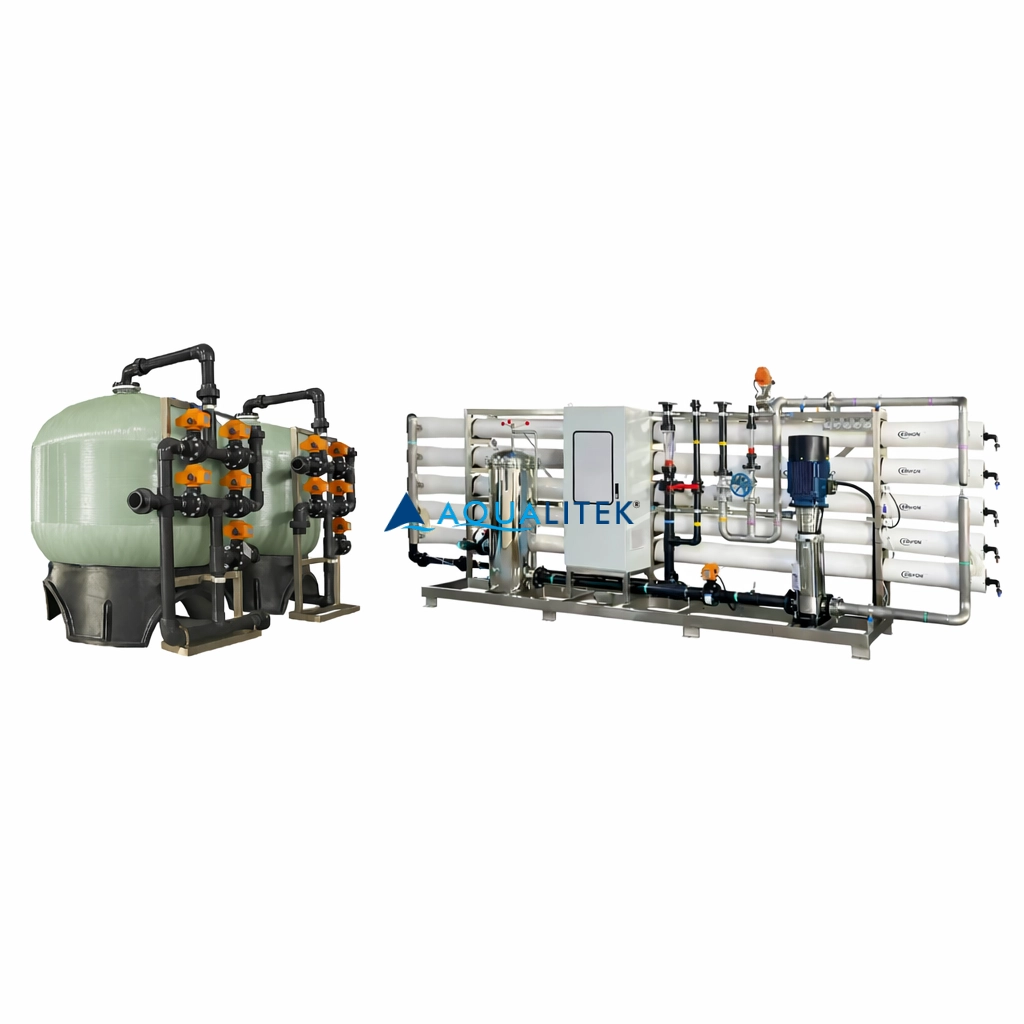
30TPH Industrial Reverse Osmosis (RO) System designed for industrial and municipal water treatment. High salt rejection, energy-efficient design, PLC control, and customizable configuration.
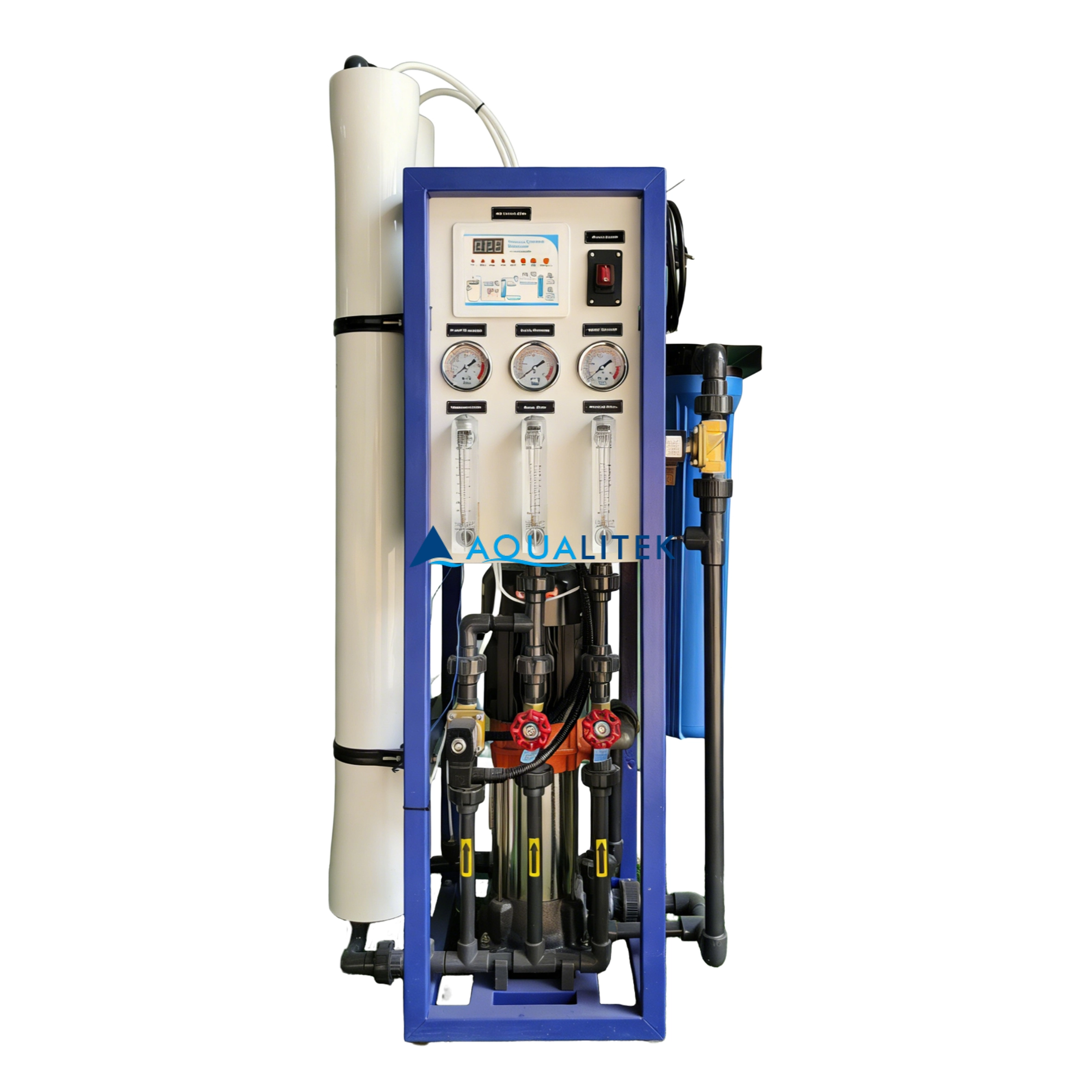
AQUALITEK's 500LPH Panel Mounted Reverse Osmosis Water Purification System delivers reliable 500 LPH RO water production. This compact industrial reverse osmosis unit is ideal for small scale industrial RO needs, ensuring efficient and high-quality purified water in a space-saving design.
© 2026 AQUALITEK. All rights reserved.
AQUALITEK- Aimee Hoo
AQUALITEK - Aimee Hoo