




Why Must a Seawater Desalination System Be Flushed with Low-Pressure Fresh Water Before Slowly Increasing Pressure at Startup?| Insights by AQUALITEK
Learn why low-pressure freshwater flushing followed by gradual pressurization is essential when starting a seawater desalination RO system, and how it protects membranes and equipment.
- Introduction
- 1. The Core Reason: Preventing Osmotic Shock to the Membrane
- 1.1 What Is Osmotic Shock?
- 2. Removing Stagnant High-Salinity Brine from the System
- 2.1 What Happens During Shutdown?
- 3. Preventing Instant Scaling and Fouling
- 3.1 Scaling Risk at Startup
- 4. Protecting the High-Pressure Pump and ERD
- 4.1 Mechanical Protection
- 5. Avoiding Membrane Compaction and Structural Damage
- 6. Industry-Standard Startup Logic for SWRO Systems
- 7. What Happens If This Step Is Skipped?
- Conclusion
Introduction
Starting up a seawater reverse osmosis (SWRO) desalination system is a high-risk operational phase.
Improper startup procedures can cause irreversible membrane damage, severe fouling, and mechanical failure—sometimes within minutes.
For this reason, industry-standard operating procedures require that SWRO systems be flushed with low-pressure fresh water first, and only then slowly pressurized.
This article explains why this step is mandatory, what risks it mitigates, and how it protects both membranes and high-pressure equipment.
1. The Core Reason: Preventing Osmotic Shock to the Membrane
1.1 What Is Osmotic Shock?
Osmotic shock occurs when a membrane experiences a sudden and large osmotic pressure difference across its surface.
•Seawater osmotic pressure: ≈25–30 bar
•Fresh or low-salinity water: ≈0–2 bar
If high-pressure seawater is applied suddenly:
•Water flux becomes highly uneven
•Membrane layers experience extreme stress
•Delamination and compaction may occur
Low-pressure freshwater flushing equalizes osmotic conditions before pressurization.
2. Removing Stagnant High-Salinity Brine from the System
2.1 What Happens During Shutdown?
During shutdown:
•Seawater remains stagnant in membranes and pressure vessels
•Salt concentration increases locally
•Bioactivity may start
•Oxygen and corrosion risk increase
If the system is pressurized directly:
•Highly concentrated brine is instantly compressed
•Local scaling and fouling accelerate
•Membrane surface damage risk rises sharply
Low-pressure flushing:
•Displaces stagnant seawater
•Reduces salinity inside the membrane
•Restores safe starting conditions
3. Preventing Instant Scaling and Fouling
3.1 Scaling Risk at Startup
At startup:
•Flow is unstable
•Recovery is uncontrolled
•Local concentration polarization is extreme
Direct pressurization with seawater can cause:
•Calcium carbonate scaling
•Sulfate scaling
•Immediate particulate deposition
Low-pressure freshwater flushing:
•Lowers ionic strength
•Keeps salts below saturation
•Prevents early-stage irreversible fouling
4. Protecting the High-Pressure Pump and ERD
4.1 Mechanical Protection
Sudden pressurization can lead to:
•Pressure surges
•Hydraulic shock
•Cavitation risk
•ERD instability
Gradual pressurization allows:
•Smooth hydraulic transition
•Stable ERD engagement
•Reduced mechanical stress on seals and bearings
5. Avoiding Membrane Compaction and Structural Damage
SWRO membranes are designed for high pressure—but not for sudden pressure spikes.
Direct startup risks:
•Permanent membrane compaction
•Reduced permeability
•Long-term flux loss
Slow pressure ramping:
•Allows membrane structure to adapt
•Preserves designed water flux
•Extends membrane lifespan
6. Industry-Standard Startup Logic for SWRO Systems
A typical safe startup sequence includes:
1.Low-pressure freshwater flushing
Pressure: < 3 bar
Purpose: displacement & equilibration
2.Seawater introduction at low pressure
No permeate production initially
3.Gradual pressure increase
Stepwise or ramped
Controlled concentrate valve adjustment
4.Stabilization before reaching design pressure
This sequence is recommended by all major SWRO membrane manufacturers.
7. What Happens If This Step Is Skipped?
Skipping low-pressure flushing may result in:
•Immediate membrane fouling
•Sudden rise in differential pressure
•Rapid flux decline
•Shortened membrane life
•Increased cleaning frequency
•Unexpected early membrane replacement
In severe cases:
👉 Membranes can be permanently damaged on the very first startup.
Conclusion
Flushing a seawater desalination system with low-pressure fresh water before slowly increasing pressure is not a precaution—it is a fundamental requirement.
In summary, this practice:
•Prevents osmotic shock
•Removes stagnant high-salinity seawater
•Avoids instant scaling and fouling
•Protects membranes, pumps, and ERDs
•Ensures stable, long-term system performance
A correct startup procedure is one of the most cost-effective ways to protect a seawater RO system.



Request More Information or Expert Advice
Share a few details, and we’ll provide deeper insights, tailored suggestions, or product support.
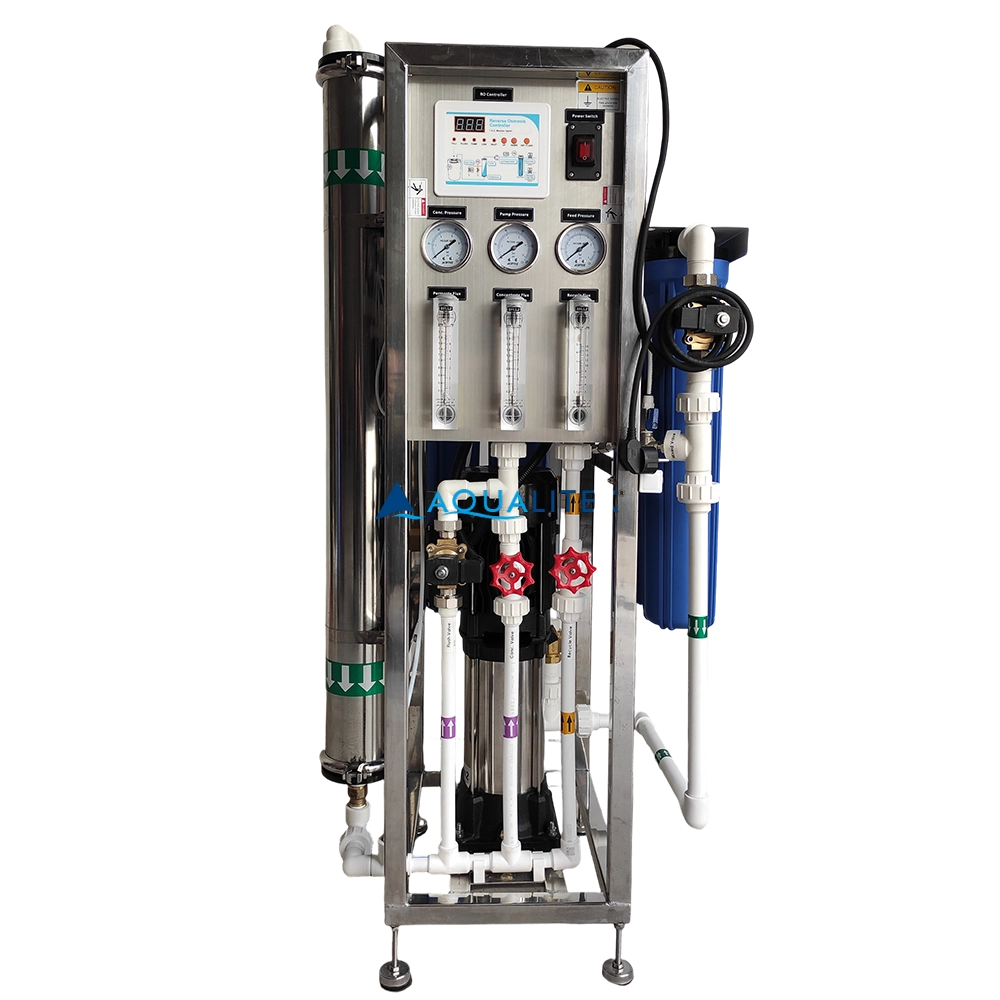
Our 500 LPH Reverse Osmosis (RO) System is engineered to provide high-quality purified water for commercial applications. Designed with advanced RO technology, durable components, and a user-friendly interface, this system ensures consistent performance, low maintenance, and long-term reliability.
With its compact design and robust skid-mounted frame, it’s an excellent choice for businesses that demand efficiency and quality in water purification.
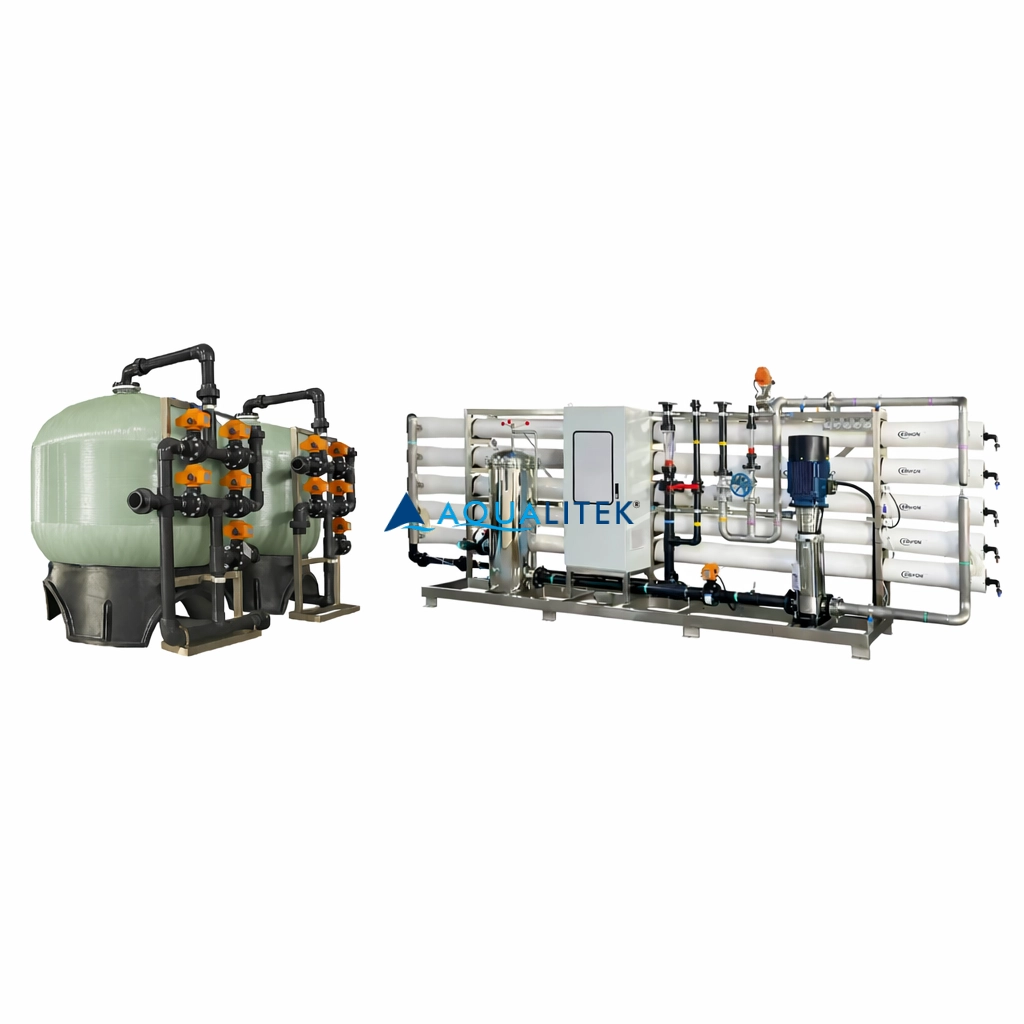
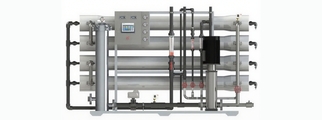
30TPH Industrial Reverse Osmosis (RO) System designed for industrial and municipal water treatment. High salt rejection, energy-efficient design, PLC control, and customizable configuration.
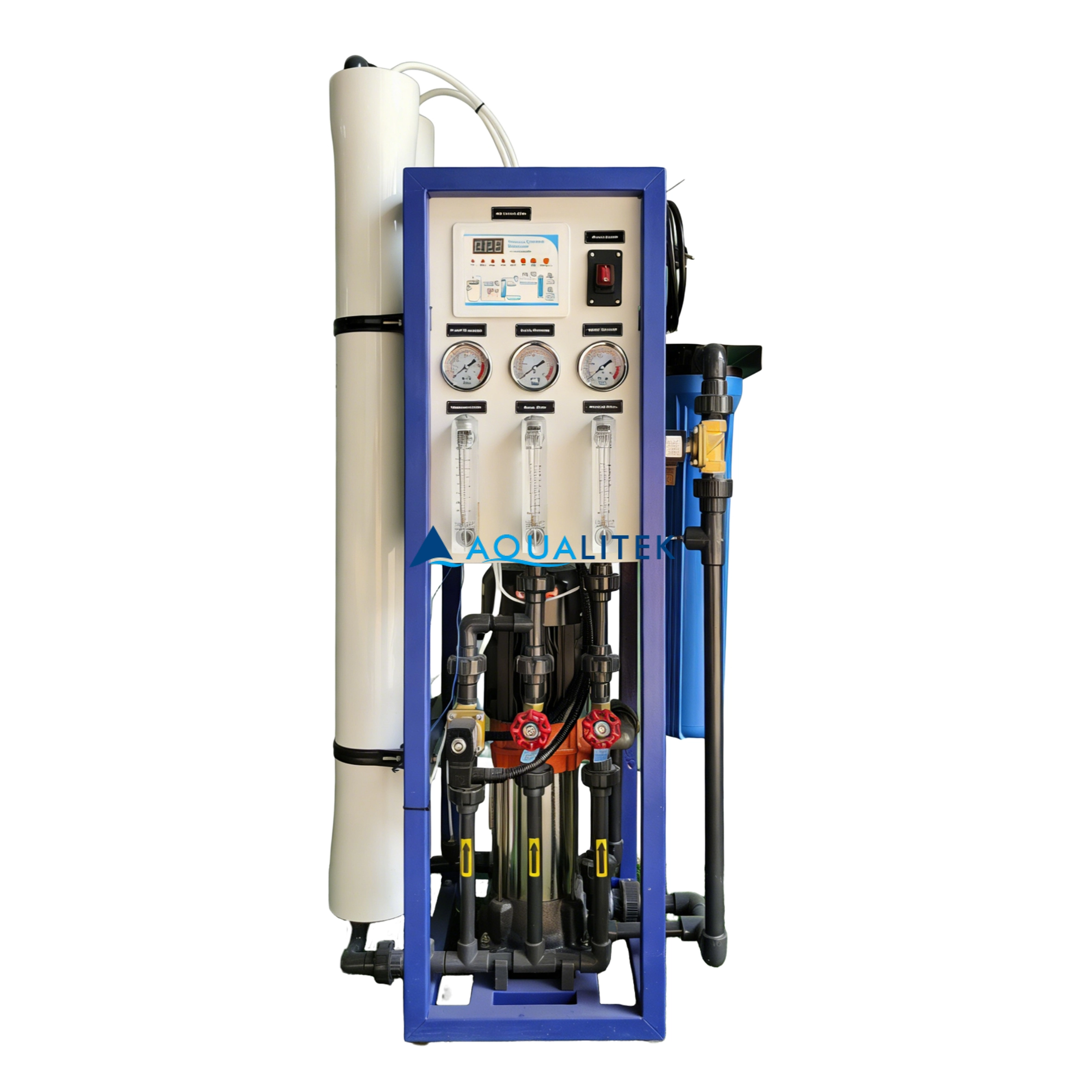
AQUALITEK's 500LPH Panel Mounted Reverse Osmosis Water Purification System delivers reliable 500 LPH RO water production. This compact industrial reverse osmosis unit is ideal for small scale industrial RO needs, ensuring efficient and high-quality purified water in a space-saving design.
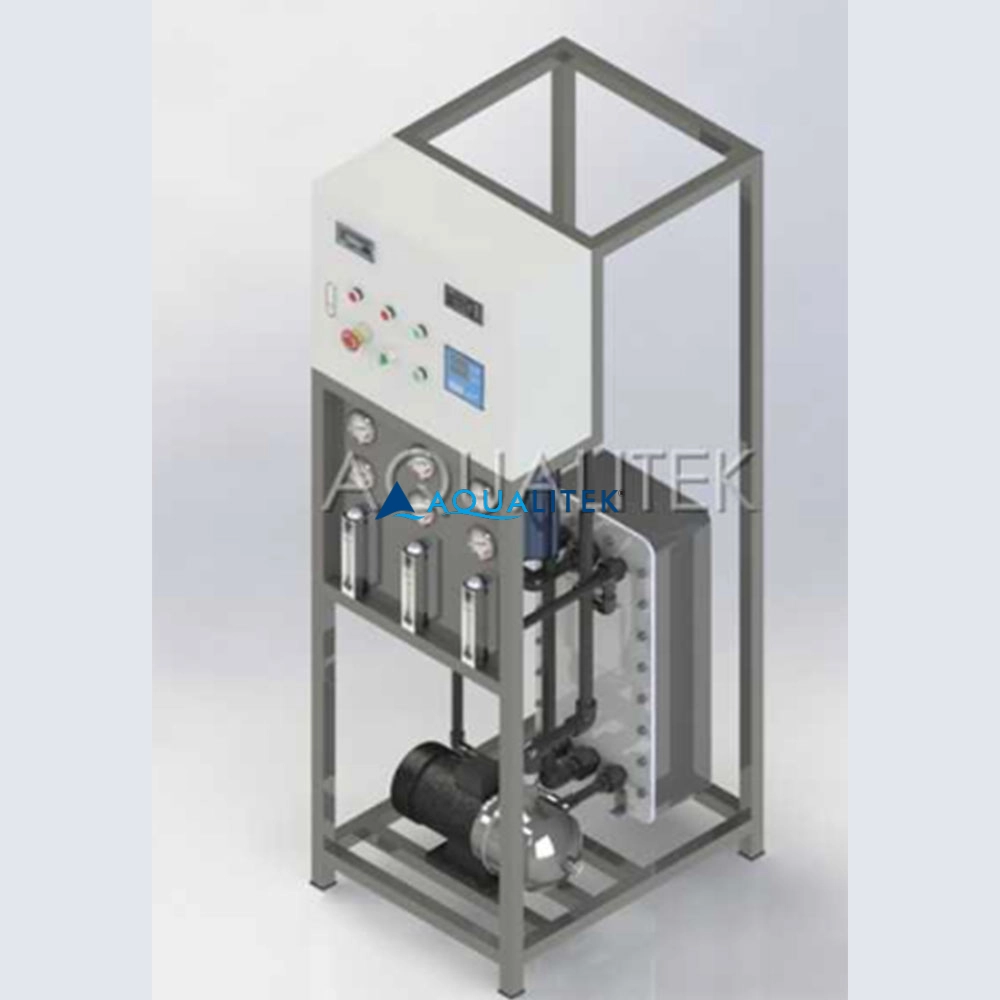
Electrodeionization (EDI) system is an advanced water purification technology that combines ion exchange and electrochemical processes to produce ultra-pure water. Unlike traditional deionization methods, which rely on chemical regeneration, EDI utilizes electric fields to drive the movement of ions through ion-exchange membranes, effectively removing dissolved salts and other ionic contaminants.
This process is continuous and does not require the use of chemicals for regeneration, making it an environmentally friendly and cost-effective solution for producing high-quality deionized water. EDI systems are widely used in applications requiring ultrapure water, such as in the pharmaceutical, semiconductor, power generation, and biotechnology industries, as well as for laboratory use.
By offering high-purity water without the need for chemical regeneration, EDI systems provide a sustainable, efficient, and reliable alternative to traditional deionization methods, making them an ideal choice for industries where water quality and process control are critical.
© 2026 AQUALITEK. All rights reserved.
AQUALITEK- Aimee Hoo
AQUALITEK - Aimee Hoo