



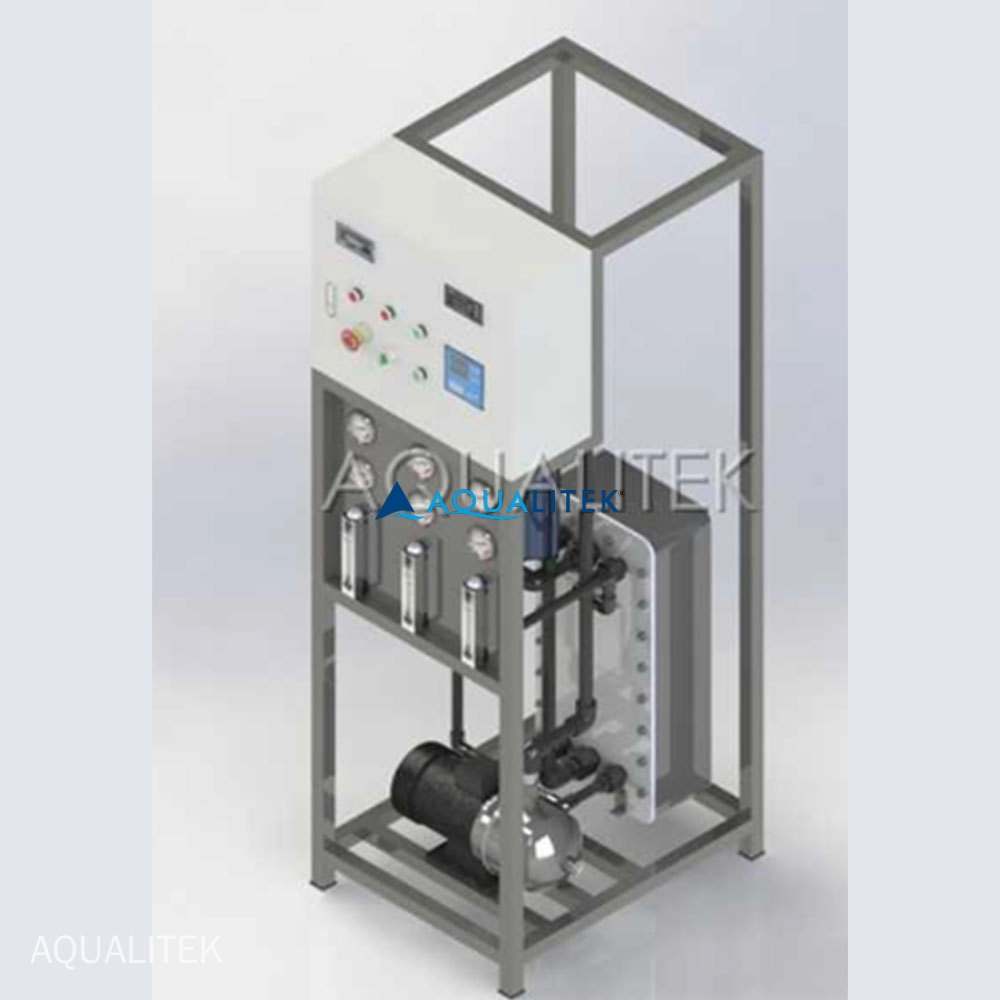
AQUALITEK Electrodeionization (EDI) System
Overview
AQUALITEK Electrodeionization (EDI) System delivers reliable, chemical-free ultrapure water for industrial, pharmaceutical, laboratory and semiconductor applications. Built by Aqualitek Water Treatment Technologies Co., Ltd. (AQT), headquartered in Guangzhou, China, our EDI systems combine proven engineering with smart controls to produce high-quality deionized water continuously and efficiently.
Key Benefits
- Continuous ultrapure water without regenerant chemicals—lower operational costs and environmental impact.
- High conductivity removal and stable product quality for sensitive processes.
- Compact design and modular options for easy integration into existing systems.
- Energy-efficient operation with low maintenance requirements.
- Customizable configurations to match flow, purity and footprint needs.
How It Works
The EDI system uses a combination of ion-exchange resins and a direct current electric field to remove ionic contaminants continuously. Unlike conventional mixed-bed systems, EDI eliminates frequent chemical regeneration by continually flushing ions to concentrate compartments—producing consistent high-purity water ideal for demanding applications.
Applications
Our electrodeionization systems are suited for:
- Pharmaceutical and biotech water for injection (WFI) pretreatment
- Semiconductor rinse and process water
- Power plant and boiler feedwater polishing
- Laboratory and analytical reagent water
- Industrial manufacturing requiring ultrapure water
Why Choose AQUALITEK
AQUALITEK brings years of water treatment expertise, advanced manufacturing, and global support. We deliver tailored EDI solutions that balance performance, reliability and cost-efficiency. With strict quality control and responsive service, AQUALITEK systems help you meet regulatory and process standards with confidence.
Get Started
Visit https://www.aqualitek.com for product details and case studies. For quotes and customization, email aimee@aqualitek.com. Choose AQUALITEK for dependable electrodeionization and ultrapure water solutions that scale with your needs.
Certifications

CTK20211125002MD

CTK20211125002MDAppendix
Q&A
How often should I replace filters and membranes?
Filter and membrane lifespan depends on water quality, usage, and system type. General guidelines:
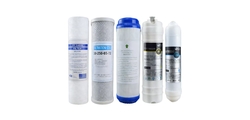
1. Sediment & Carbon Filters: Replace every 6–12 months.
2. RO Membranes: Replace every 2–3 years, depending on water conditions.
3. UF/NF Membranes: Replace every 1–2 years.
Regular maintenance ensures optimal performance and water quality.
What is the difference between Reverse Osmosis (RO), Ultrafiltration (UF), and Nanofiltration (NF)?
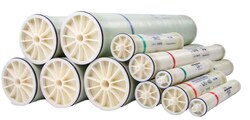
1. Reverse Osmosis (RO): Removes up to 99.9% of contaminants, including salts, bacteria, viruses, and heavy metals.
2. Ultrafiltration (UF): Uses a membrane filtration process to remove bacteria and particles, while retaining essential minerals.
3. Nanofiltration (NF): Falls between RO and UF, removing some salts and organic compounds while allowing certain minerals to pass through.
What’s the difference between UF and RO?
UF (Ultrafiltration) removes suspended solids, bacteria, and larger molecules. RO (Reverse Osmosis) removes dissolved salts and minerals. They’re often used together for complete treatment.
Are your filters suitable for seawater or chemical-heavy applications?
Yes, we offer FRP and stainless steel housings resistant to corrosion and suitable for marine or aggressive chemical environments.
If you don’t find your answer, please E-mail us and we’ll be happy to help you out.
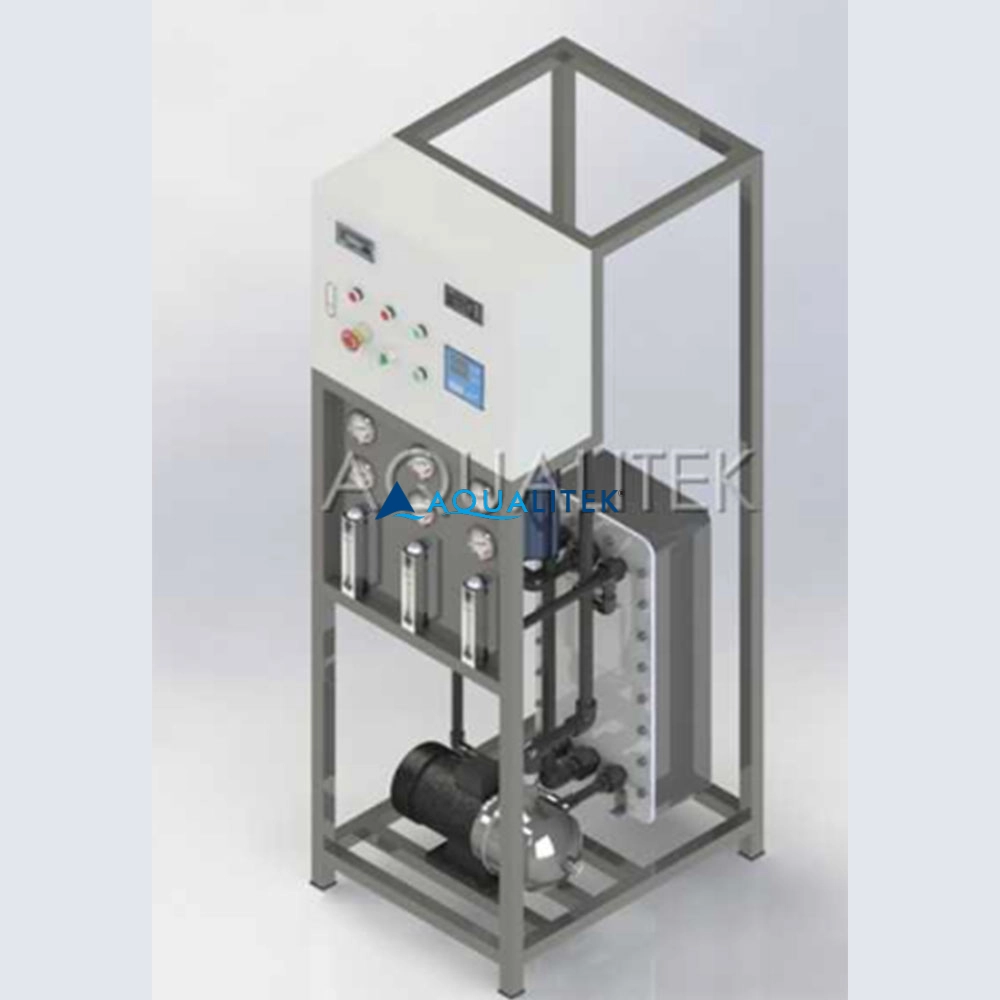
Electrodeionization Systems to Get UltraPure Water
Electrodeionization (EDI) system is an advanced water purification technology that combines ion exchange and electrochemical processes to produce ultra-pure water. Unlike traditional deionization methods, which rely on chemical regeneration, EDI utilizes electric fields to drive the movement of ions through ion-exchange membranes, effectively removing dissolved salts and other ionic contaminants.
This process is continuous and does not require the use of chemicals for regeneration, making it an environmentally friendly and cost-effective solution for producing high-quality deionized water. EDI systems are widely used in applications requiring ultrapure water, such as in the pharmaceutical, semiconductor, power generation, and biotechnology industries, as well as for laboratory use.
By offering high-purity water without the need for chemical regeneration, EDI systems provide a sustainable, efficient, and reliable alternative to traditional deionization methods, making them an ideal choice for industries where water quality and process control are critical.
Electrodeionization Systems to Get UltraPure Water
Electrodeionization (EDI) system is an advanced water purification technology that combines ion exchange and electrochemical processes to produce ultra-pure water. Unlike traditional deionization methods, which rely on chemical regeneration, EDI utilizes electric fields to drive the movement of ions through ion-exchange membranes, effectively removing dissolved salts and other ionic contaminants.
This process is continuous and does not require the use of chemicals for regeneration, making it an environmentally friendly and cost-effective solution for producing high-quality deionized water. EDI systems are widely used in applications requiring ultrapure water, such as in the pharmaceutical, semiconductor, power generation, and biotechnology industries, as well as for laboratory use.
By offering high-purity water without the need for chemical regeneration, EDI systems provide a sustainable, efficient, and reliable alternative to traditional deionization methods, making them an ideal choice for industries where water quality and process control are critical.
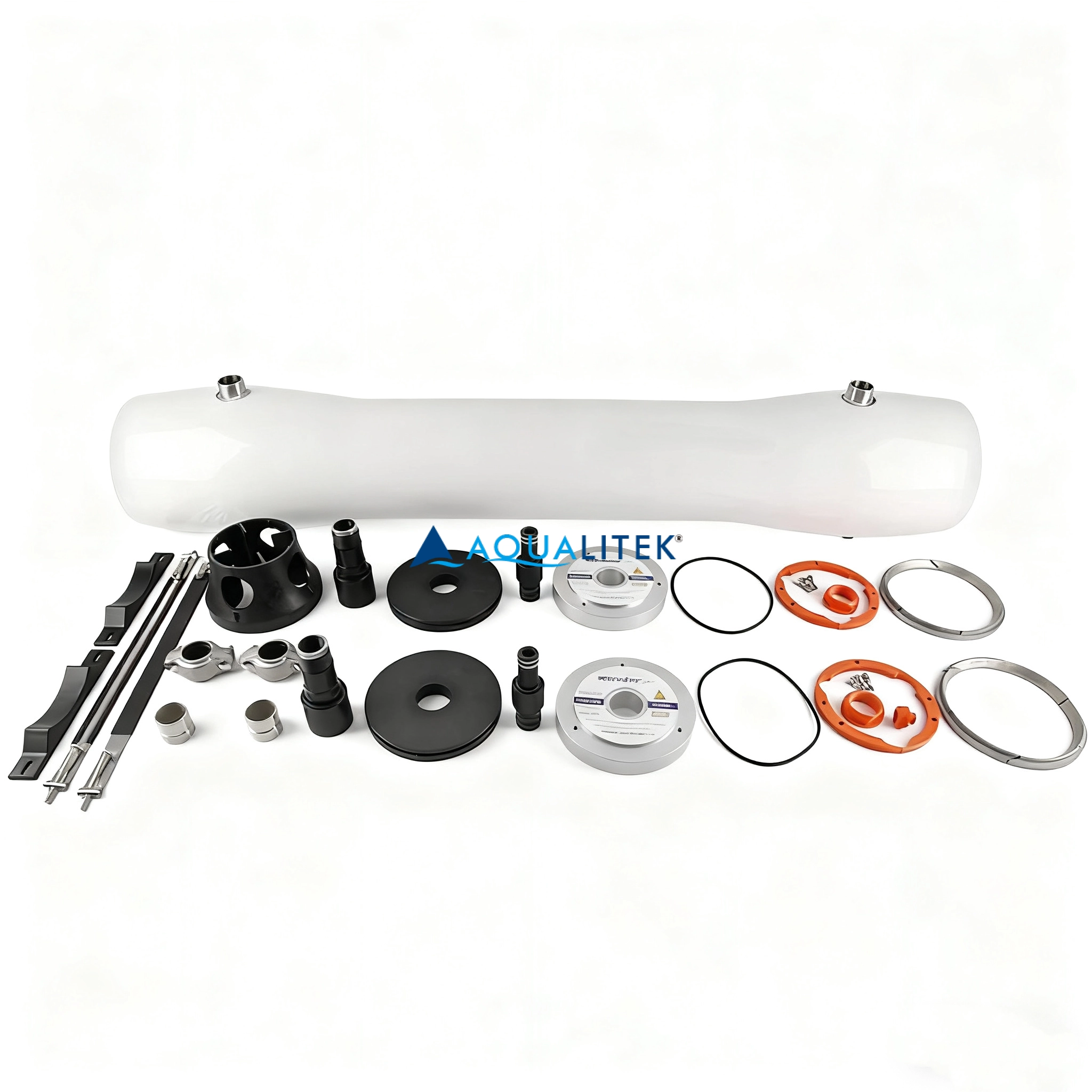
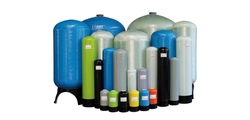
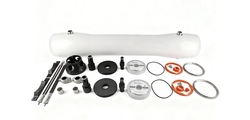
FRP Reverse Osmosis Membrane Housing High-Pressure Explosion-Proof Design for Industrial Watertreatment FRP Series RO Membrane Vessel Housing
AQUALITEK FRP Series Reverse Osmosis Membrane Housing — Fiberglass (FRP) RO Membrane Vessel with high-pressure, explosion-proof design for industrial water treatment. Durable, corrosion-resistant RO membrane housing for reliable plant performance.
© 2026 AQUALITEK. All rights reserved.
AQUALITEK- Aimee Hoo
AQUALITEK - Aimee Hoo