
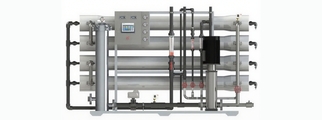



AQUALITEK Electrodeionization Water Treatment Systems
Electrodeionization Water Treatment by AQUALITEK
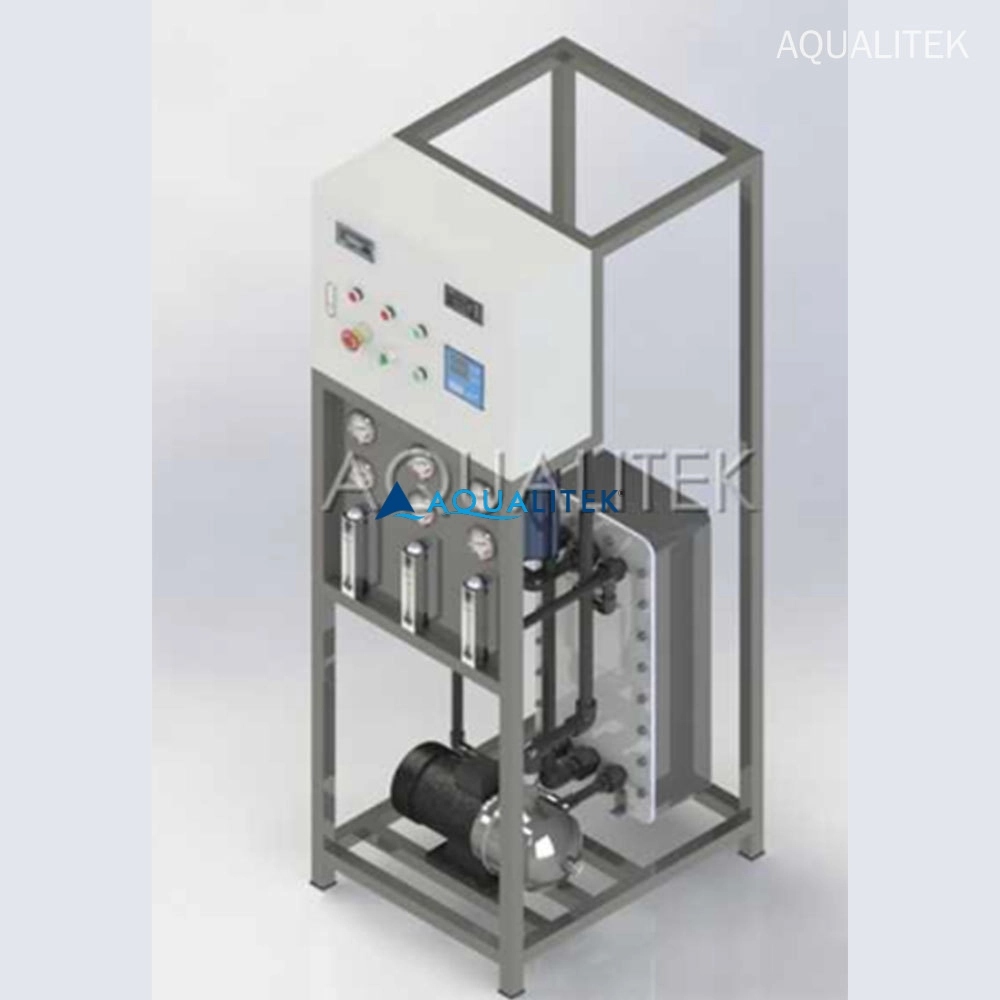
AQUALITEK electrodeionization water treatment systems combine ion-exchange resins, ion-selective membranes, and electricity to produce continuous ultrapure water without frequent chemical regeneration. Designed for stable performance, low maintenance, and reduced environmental impact, our EDI systems are ideal for laboratories, pharmaceuticals, microelectronics, and industrial processes.
Why Choose AQUALITEK EDI Systems?
- Continuous ultrapure water: Stable resistivity and low conductivity for critical applications.
- Low operating cost: No chemical regenerants and minimal consumables reduce downtime and expense.
- Eco-friendly design: Eliminates acid/caustic waste from regeneration, supporting sustainable water treatment.
- Customizable solutions: Modular designs to match flow, water quality, and footprint requirements.
Key Features
- Advanced electrodeionization stacks with high-quality ion exchange media.
- Integrated monitoring: Conductivity/resistivity sensors and PLC for automated control.
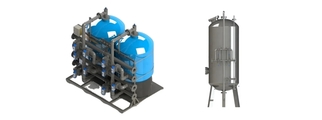
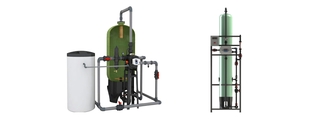
- Robust pretreatment options: Multimedia filters, carbon filters, and RO pre-treatment to protect EDI modules.
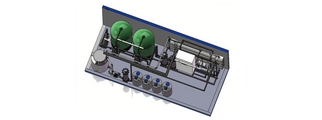
- Compact skid-mounted systems for easy installation and fast commissioning.
Applications
AQUALITEK EDI systems are widely used where continuous high-purity water is required: pharmaceutical production, analytical labs, power plant circuits, semiconductor rinse water, and industrial process water. We tailor each electrodeionization water treatment solution to particle load, hardness, and required output quality.
Proven Expertise and Global Support
Headquartered in Guangzhou, Aqualitek Water Treatment Technologies Co., Ltd. combines engineering excellence with manufacturing quality. Our experienced team ensures system design, installation, and after-sales support meet Google E-E-A-T standards — expertise, experience, authoritativeness, and trustworthiness.
Get a Quote
Learn how our electrodeionization (EDI) water treatment systems can meet your needs. Visit https://www.aqualitek.com or contact aimee@aqualitek.com for custom solutions, datasheets, and project support.
Certifications

CTK20211125002MD

CTK20211125002MDAppendix
FAQ
How often should I replace filters and membranes?
Filter and membrane lifespan depends on water quality, usage, and system type. General guidelines:
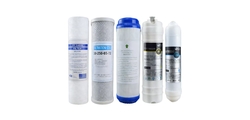
1. Sediment & Carbon Filters: Replace every 6–12 months.
2. RO Membranes: Replace every 2–3 years, depending on water conditions.
3. UF/NF Membranes: Replace every 1–2 years.
Regular maintenance ensures optimal performance and water quality.
What industries does AQT serve?
We provide water treatment solutions for a wide range of industries, including:
Industrial Manufacturing – Process water treatment, cooling water, and boiler feed.
Hospitality & Commercial – Hotels, restaurants, and office buildings.
Residential Applications – Drinking water purification and softening.
Healthcare & Pharmaceuticals – Ultra-pure water for laboratories and hospitals.
Municipal & Public Utilities – Water supply and wastewater treatment.
Food & Beverage Processing – Filtration for beverage production and food safety.
How do I choose between a media filter and a micron filter?
Media filters are ideal for high-volume solids removal and can be backwashed. Micron filters offer precise filtration for fine particles and are best for polishing applications.
How long do membranes last?
With proper maintenance and CIP, UF and RO membranes can last 3–5 years, depending on feed water quality and system design.
About other questions pls contact me directily.
Electrodeionization Systems to Get UltraPure Water
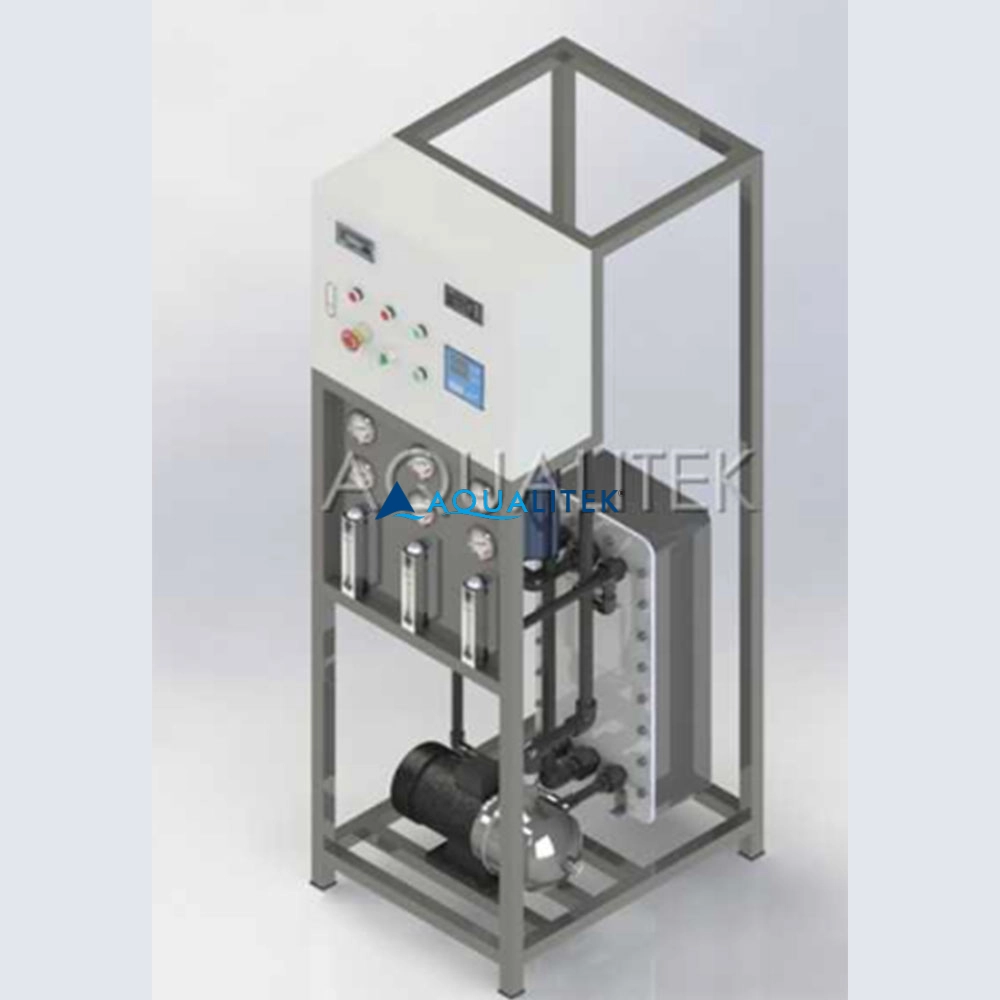
Electrodeionization (EDI) system is an advanced water purification technology that combines ion exchange and electrochemical processes to produce ultra-pure water. Unlike traditional deionization methods, which rely on chemical regeneration, EDI utilizes electric fields to drive the movement of ions through ion-exchange membranes, effectively removing dissolved salts and other ionic contaminants.
This process is continuous and does not require the use of chemicals for regeneration, making it an environmentally friendly and cost-effective solution for producing high-quality deionized water. EDI systems are widely used in applications requiring ultrapure water, such as in the pharmaceutical, semiconductor, power generation, and biotechnology industries, as well as for laboratory use.
By offering high-purity water without the need for chemical regeneration, EDI systems provide a sustainable, efficient, and reliable alternative to traditional deionization methods, making them an ideal choice for industries where water quality and process control are critical.

Media Filters for Preliminary Filtration-MSF Series
Introduction to Manganese Sand Filter
Manganese Sand Filter (MSF) is an efficient water filtration system specifically designed to remove iron, manganese, and hydrogen sulfide from water.
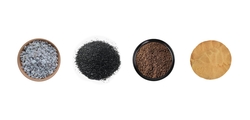
The filter utilizes a special manganese dioxide-coated sand media, which acts as an oxidizing agent to convert dissolved iron and manganese into solid particles, allowing them to be easily trapped and removed during the filtration process.
Manganese Sand Filters are commonly used in residential, commercial, and industrial water treatment applications where high levels of these contaminants are present. By improving water quality, preventing staining, and reducing unpleasant tastes and odors, Manganese Sand Filters provide a reliable and cost-effective solution for maintaining clean, clear, and safe water.
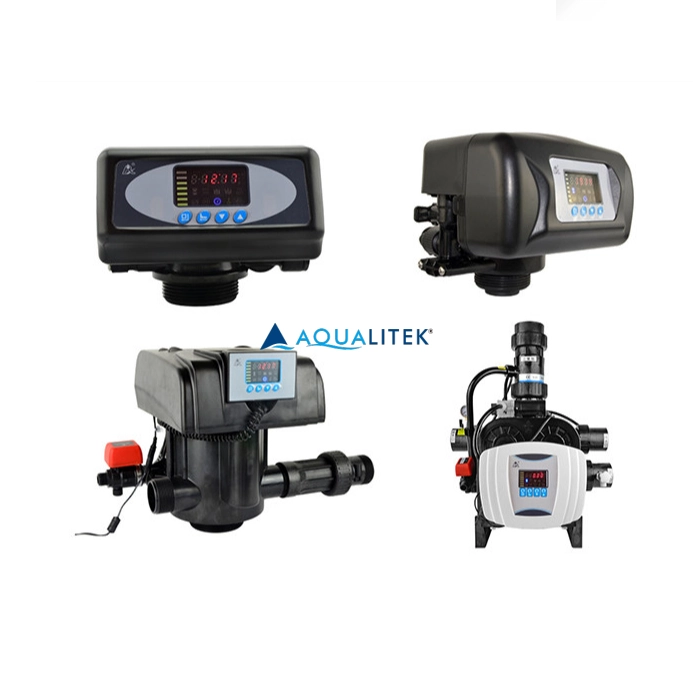
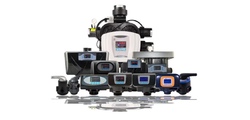
Runxin auto control valve
Multiport Control Valve is a critical component used in water treatment systems, particularly in filters and softeners, to direct water flow through different cycles (e.g., filtration, backwash, rinse, regeneration).
Electrodeionization Systems to Get UltraPure Water
Electrodeionization (EDI) system is an advanced water purification technology that combines ion exchange and electrochemical processes to produce ultra-pure water. Unlike traditional deionization methods, which rely on chemical regeneration, EDI utilizes electric fields to drive the movement of ions through ion-exchange membranes, effectively removing dissolved salts and other ionic contaminants.
This process is continuous and does not require the use of chemicals for regeneration, making it an environmentally friendly and cost-effective solution for producing high-quality deionized water. EDI systems are widely used in applications requiring ultrapure water, such as in the pharmaceutical, semiconductor, power generation, and biotechnology industries, as well as for laboratory use.
By offering high-purity water without the need for chemical regeneration, EDI systems provide a sustainable, efficient, and reliable alternative to traditional deionization methods, making them an ideal choice for industries where water quality and process control are critical.
© 2026 AQUALITEK. All rights reserved.
AQUALITEK- Aimee Hoo
AQUALITEK - Aimee Hoo